



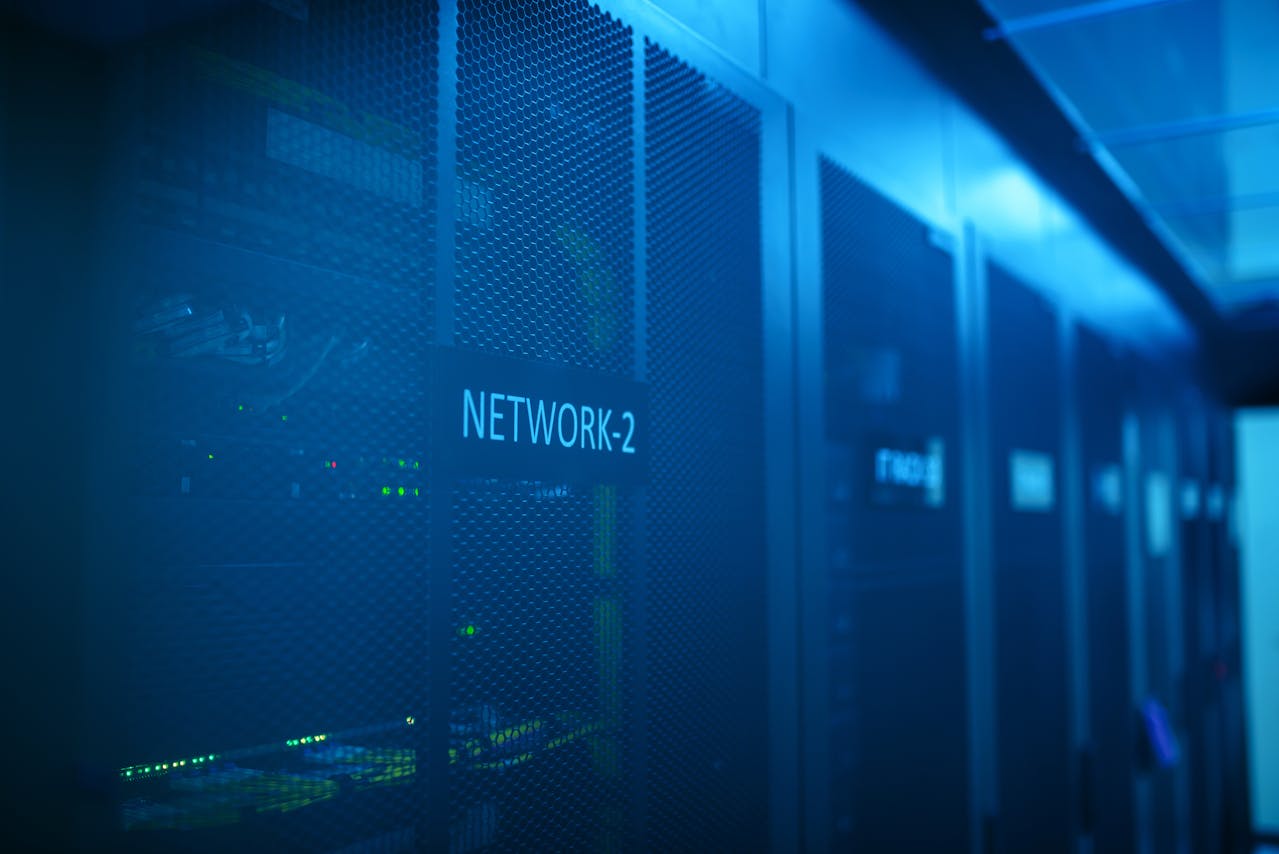
High-density servers generate significant heat due to continuous processing and increasing computational loads. Managing this heat is essential to ensure optimal performance, prevent equipment damage, and maintain system efficiency. Liquid cooling has emerged as a reliable solution for regulating temperature more effectively than conventional methods.
By using advanced cooling equipment and devices, data centers can maintain stable operating conditions and improve overall system reliability. Understanding what liquid cooling systems are in data center environments and how these systems help manage heat in complex server setups. They support efficient thermal regulation, reduce energy consumption, and improve equipment lifespan.
Let’s explore the best practices for maintaining cooling systems in high-density server environments.
Regular Inspection of Cooling Equipment and Components
Routine inspection is essential to ensure that liquid cooling systems function effectively. Components such as pumps, pipes, and heat exchangers should be checked for wear, leaks, or blockages.
By employing regular inspections, data centers can detect issues early and prevent system failure. Proper monitoring of electrical instruments and cooling devices helps maintain consistent system performance.
Maintain Proper Coolant Quality and Levels
The quality and level of coolant directly impact the efficiency of liquid cooling systems. Contaminated or insufficient coolant can reduce heat transfer efficiency and affect overall performance.
To prevent this, it is important to use high-quality coolant and monitor its condition regularly. Replacing or filtering coolant when necessary ensures that cooling systems continue to operate efficiently.
Monitor Temperature and System Performance
Continuous monitoring of temperature is crucial in high-density server environments. Liquid cooling systems rely on accurate data to regulate thermal conditions effectively.
By deploying advanced monitoring devices and sensors, operators can track system performance in real time. This allows timely adjustments and ensures that cooling systems maintain optimal operating conditions.
Ensure Proper System Installation and Configuration
Incorrect installation can lead to inefficiencies in liquid cooling systems. Proper configuration of cooling equipment and devices is essential for achieving the desired performance.
It is important to follow recommended installation practices and ensure that all components are correctly aligned. This helps liquid cooling systems distribute coolant evenly and maintain consistent temperature control.
Prevent Leakage and Maintain Sealing Integrity
Leakage is a critical concern in liquid cooling systems, as it can damage electrical equipment and disrupt operations. Ensuring proper sealing and connection of components is necessary to prevent such risks.
Regular checks of joints, valves, and pipelines help identify potential leak points. Maintaining sealing integrity ensures that cooling systems operate safely and efficiently.
Clean and Maintain Heat Exchange Surfaces
Heat exchangers play a vital role in liquid cooling by transferring heat away from server components. Over time, dust and residue can accumulate on these surfaces, reducing efficiency.
Regular cleaning and maintenance of heat-exchange components improve heat-transfer performance. This ensures that cooling systems continue to deliver effective cooling for high-density servers.
Employ Preventive Maintenance Strategies
Preventive maintenance is key to extending the lifespan of liquid cooling systems. Scheduled servicing of equipment and devices helps avoid unexpected failures and ensures consistent performance.
By incorporating preventive maintenance plans, data centers can improve system reliability and reduce downtime. This approach ensures that cooling systems remain efficient and dependable over time.
Take the Next Step in Optimizing Data Center Cooling
Liquid cooling continues to transform thermal management in high-density server environments by offering efficient heat control and improved system stability. Its ability to support advanced equipment and maintain optimal temperatures makes it an essential solution for modern data centers. From improving energy efficiency to protecting critical devices, these systems play a vital role in maintaining performance.
To fully benefit from cooling, it is important to adopt proper maintenance practices and use reliable equipment. Collaborating with a reputed electrical brand ensures access to high-quality devices and expert support. By taking a proactive approach, organizations can enhance system efficiency, reduce risks, and maintain consistent performance in demanding environments.


