



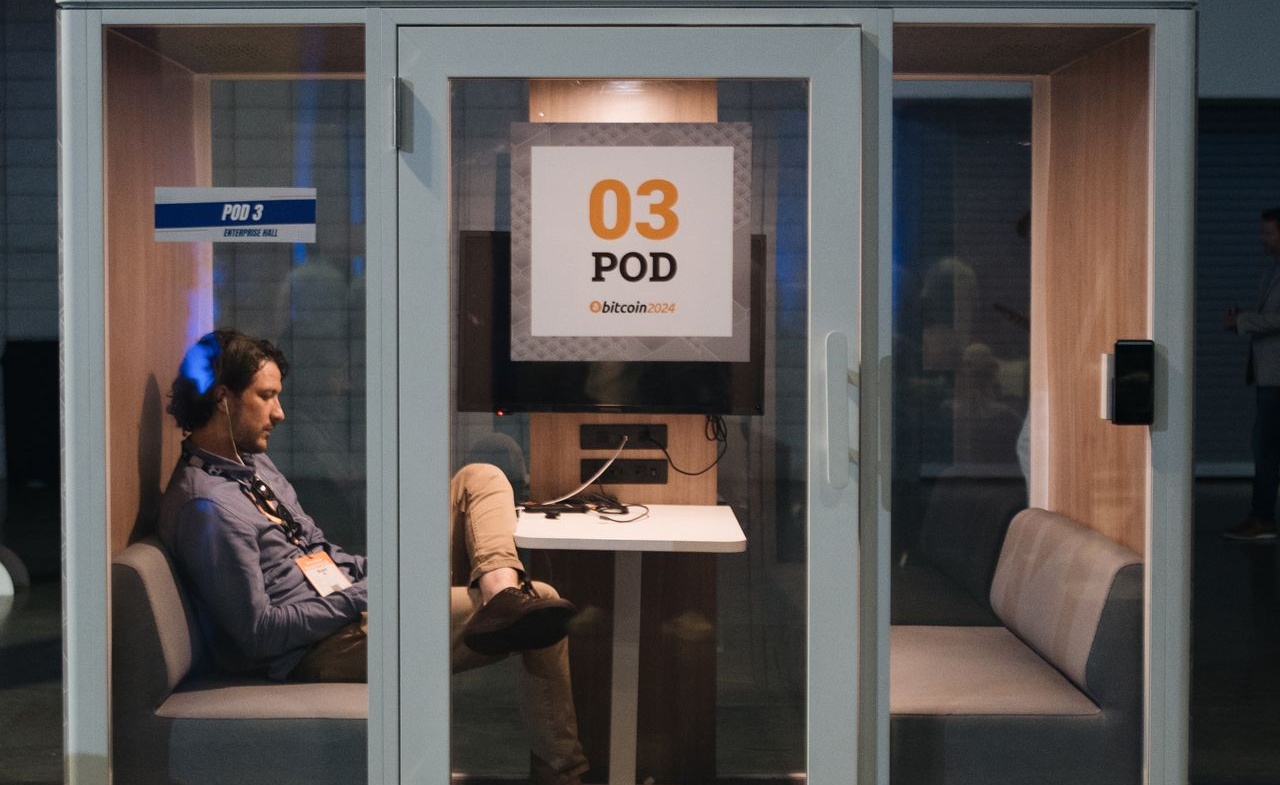
Modern workplaces need to accommodate different ways of working. Employees may spend part of the day collaborating with colleagues, switch to focused individual tasks, and then join a private video call. Traditional meeting rooms cannot always provide the flexibility required for all these activities.
This is where office pods can provide a practical addition to the workplace. Rather than treating every pod as the same type of workspace, businesses can select different configurations based on how employees actually use them.
From individual phone booths to larger collaboration pods, the right design can help businesses create more flexible workplaces without dedicating every available space to a traditional meeting room.
What Are Office Pods Designed For?
Office pods are enclosed or semi-enclosed workspaces designed to provide employees with an alternative to open-plan desks and conventional meeting rooms.
Their purpose can vary considerably. Some are designed for one person making a private call, while others can accommodate several people for meetings or collaborative work.
When planning pods, businesses should consider factors such as capacity, acoustic privacy, ventilation, lighting, furniture, power access, and technology requirements.
The best solution is therefore not necessarily the largest or most technologically advanced pod. It is the one that matches the activity it is intended to support.
Which Office Pods Are Best for Private Calls?
Individual phone or video-call pods are particularly useful for employees who regularly need to have conversations away from the open office.
These smaller pods typically provide a compact seat or desk, acoustic treatment, lighting, ventilation, and power connectivity. Some can also accommodate a webcam, monitor, headset, or other conferencing equipment.
The main benefit is privacy. Employees can participate in confidential conversations without needing to book a larger meeting room.
For businesses with hybrid teams, these pods can also provide a dedicated environment for online meetings where background noise and visual distractions need to be minimised.
What Office Pods Work Best for Focused Work?
Focus work requires a different environment from a phone call. Employees may need to concentrate for longer periods without interruptions from surrounding conversations, movement, and general office activity.
A single-person work pod can provide a quieter alternative to an open-plan desk. A suitable desk surface, comfortable seating, appropriate lighting, power access, and acoustic separation can make the space more useful for concentrated tasks.
However, businesses should avoid treating acoustic isolation as the only consideration. A focus pod also needs adequate ventilation and comfortable internal conditions if employees are expected to use it for extended periods.
Which Pods Are Suitable for Small Meetings?
Small meeting pods can bridge the gap between individual workspaces and traditional boardrooms.
Depending on the design, these pods can accommodate two to six people for informal meetings, interviews, brainstorming sessions, or virtual collaboration.
For businesses that regularly hold hybrid meetings, integrating audiovisual technology can make these spaces significantly more versatile. A display, camera, microphone, and speaker system can allow employees to communicate with remote participants without occupying a large conference room.
This is where thoughtful Audio Visual Perth planning can complement the physical design of an office pod. Technology should be selected around the pod’s size, seating arrangement, acoustic characteristics, and intended use.
What About Larger Collaboration Pods?
Larger pods can provide a dedicated environment for team discussions and collaborative projects. They may include tables, comfortable seating, large displays, whiteboards, and integrated conferencing equipment.
These spaces can be particularly useful in offices where traditional meeting rooms are frequently occupied.
A collaboration pod can also support different meeting formats. Employees might use the space for an in-person discussion in the morning and then connect with remote colleagues later in the day.
The flexibility comes from designing the space around multiple use cases rather than a single meeting format.
How Important Is Acoustic Performance?
Acoustic performance is one of the most important considerations when selecting an office pod.
A pod that looks private but allows conversations to travel easily through its walls may not provide the level of privacy employees expect. Likewise, excessive internal sound reflection can make video calls uncomfortable.
Businesses should consider how much acoustic separation is appropriate for the intended activity. A confidential phone call may require a different level of privacy from an informal team discussion.
Acoustic treatment should therefore be considered alongside the pod’s construction, door design, surrounding office environment, and internal materials.
How Should Technology Be Integrated?
Technology requirements should be considered before the pod is installed rather than added as an afterthought.
Depending on the intended use, a pod may require power outlets, USB charging, network connectivity, displays, cameras, microphones, speakers, or wireless presentation capabilities.
Good Audio Visual Perth solutions can help businesses create technology setups that are simple for employees to use. The objective should be to allow users to enter the pod, connect their device, start a meeting, and begin working without unnecessary technical steps.
Choosing Office Pods Based on Workplace Needs
There is no single office pod configuration that suits every workplace.
Businesses should consider how often employees make private calls, how much focused work is required, how frequently teams collaborate, and whether hybrid meetings are part of everyday operations.
A combination of individual phone pods, focus workspaces, small meeting pods, and larger collaboration spaces can often provide greater flexibility than installing one type throughout an office.
The key is to design the pod environment around actual workplace behaviour.
Conclusion
The best office pods are those that solve specific workplace needs rather than simply adding enclosed spaces to an office.
Individual pods can support private calls and focused work, while larger meeting and collaboration pods can provide flexible spaces for teams and hybrid meetings. When acoustic performance, comfort, connectivity, and audiovisual technology are considered together, pods can become a practical part of a modern workplace strategy.
With the right planning, businesses can create flexible workspaces that support concentration, communication, and collaboration without relying entirely on traditional meeting rooms.


