



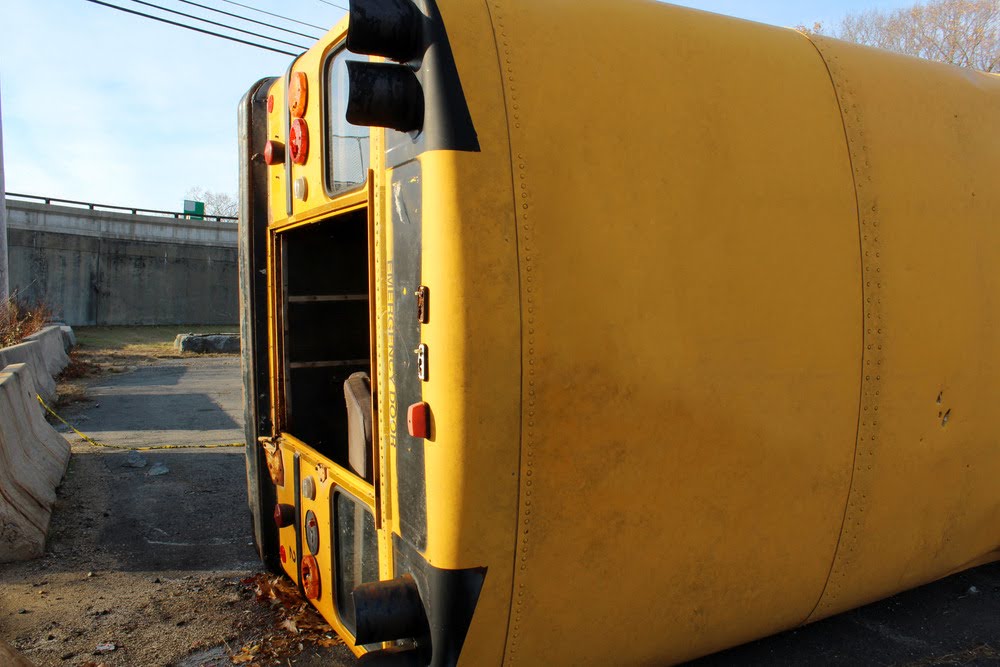
Time is often the biggest surprise after a serious bus crash. Many people assume an insurance claim follows a clear path and reaches a quick ending, but that is rarely how these cases work. Several moving parts are involved, and each one can affect how long the process takes. Questions about injuries, insurance coverage, and responsibility must usually be reviewed before any decisions are made.
People seeking compensation after a bus accident are often surprised by how many steps happen behind the scenes. Knowing what affects the timeline can make the process feel much easier to understand from the start.
The Initial Investigation Stage
Every bus accident claim starts with an investigation. Insurance companies need information before they can evaluate what happened and how the claim should move forward. This stage often takes time because several sources may need to be reviewed.
Collecting Accident Reports and Evidence
Evidence plays a major role in the process. Insurance adjusters may review police reports, photographs, video footage, witness statements, and information gathered from the accident scene. Bus companies may also have records that become part of the review.
The goal is to create a complete picture of what happened before any settlement discussions begin. If important records are difficult to obtain, the investigation stage may take longer than expected.
Reviewing Liability Questions
Responsibility is another major issue that must be examined carefully. Investigators often review driver actions, road conditions, vehicle maintenance records, and company policies.
In some cases, determining who may be responsible is simple. In others, several parties may disagree about fault. Those disagreements can slow the claim process significantly.
Medical Treatment Often Influences the Timeline
Medical recovery is one of the biggest factors affecting how long a claim remains open. Insurance companies usually want a clear understanding of injuries before discussing settlement amounts.
Ongoing Medical Care and Recovery
Many bus accident victims require continued treatment after the initial emergency visit. Follow-up appointments, therapy sessions, diagnostic testing, and specialist evaluations may continue for weeks or months.
As treatment progresses, medical providers gain a better understanding of the injury and its effects. This information often becomes part of the claim review process.
Why Settling Too Early Can Be Risky
Insurance companies generally evaluate claims based on available medical information. If treatment is still ongoing, it may be difficult to understand the full extent of expenses and recovery needs.
Because of this, settlement discussions sometimes take place after more information becomes available. This allows a more complete evaluation of the claim and the injuries involved.
Multiple Parties Can Slow the Process
Bus accident claims often involve more people and organizations than a standard vehicle collision. Each additional party can add complexity to the process.
Different Insurance Companies
Several insurance carriers may become involved depending on the circumstances of the accident. A bus company may have one insurer, while another driver involved in the crash may have a different provider.
Public transportation systems may also involve government agencies with separate procedures and requirements. Coordinating information among multiple parties often requires additional time.
Disputes Over Responsibility
Not every party involved will immediately agree on who is responsible for the accident. Insurance companies may conduct separate investigations and reach different conclusions.
These disagreements can create delays because negotiations often cannot move forward until important liability questions are addressed.
Settlement Negotiations and Claim Evaluation
Once evidence and medical information have been reviewed, insurance companies typically begin evaluating damages and discussing possible settlement amounts.
Factors Considered During Evaluation
Several factors may be reviewed during this stage, including:
- Medical expenses
- Lost income
- Property damage
- Rehabilitation costs
- Long-term effects of injuries
Each factor contributes to the overall evaluation of the claim and may affect the settlement discussions.
The Back and Forth Negotiation Process
Negotiations are rarely completed in a single conversation. Insurance companies may make an initial offer, followed by additional discussions and reviews.
Documents may be exchanged, evidence may be reconsidered, and new information may be presented. This back-and-forth process can continue until an agreement is reached or other options are considered.
Circumstances That May Extend a Claim
Some claims naturally require more time because of the issues involved. These situations are common in bus accident cases.
Serious Injuries
More severe injuries often require longer treatment periods and additional medical evaluations. Insurance companies generally need complete information before making final decisions.
Complex Evidence
Some accidents involve extensive records, expert opinions, technical reports, or large amounts of documentation. Reviewing this information takes time and careful analysis.
Liability Disputes
Conflicting accounts of how an accident occurred may create additional delays. Resolving these disputes often requires further investigation and negotiation before progress can continue.
Why Every Bus Accident Claim Has a Different Timeline
No two bus accident claims move at exactly the same speed. Some may be resolved within months, while others require much longer because of injury severity, liability questions, or the number of parties involved.
The length of a claim often depends on how quickly evidence becomes available, how medical treatment progresses, and how smoothly negotiations proceed. Patience is often part of the process because a complete review generally takes time.
Final Thoughts
Bus accident insurance claims rarely follow a fixed schedule. The timeline can be affected by investigations, medical treatment, negotiations, and disagreements over responsibility. While some cases move forward quickly, others require additional review before reaching a resolution.
People seeking compensation after a bus accident often find that the process involves more steps than they first expected. Understanding those stages provides a clearer picture of why settlement timelines vary and why reaching a final outcome can sometimes take longer than anticipated.


