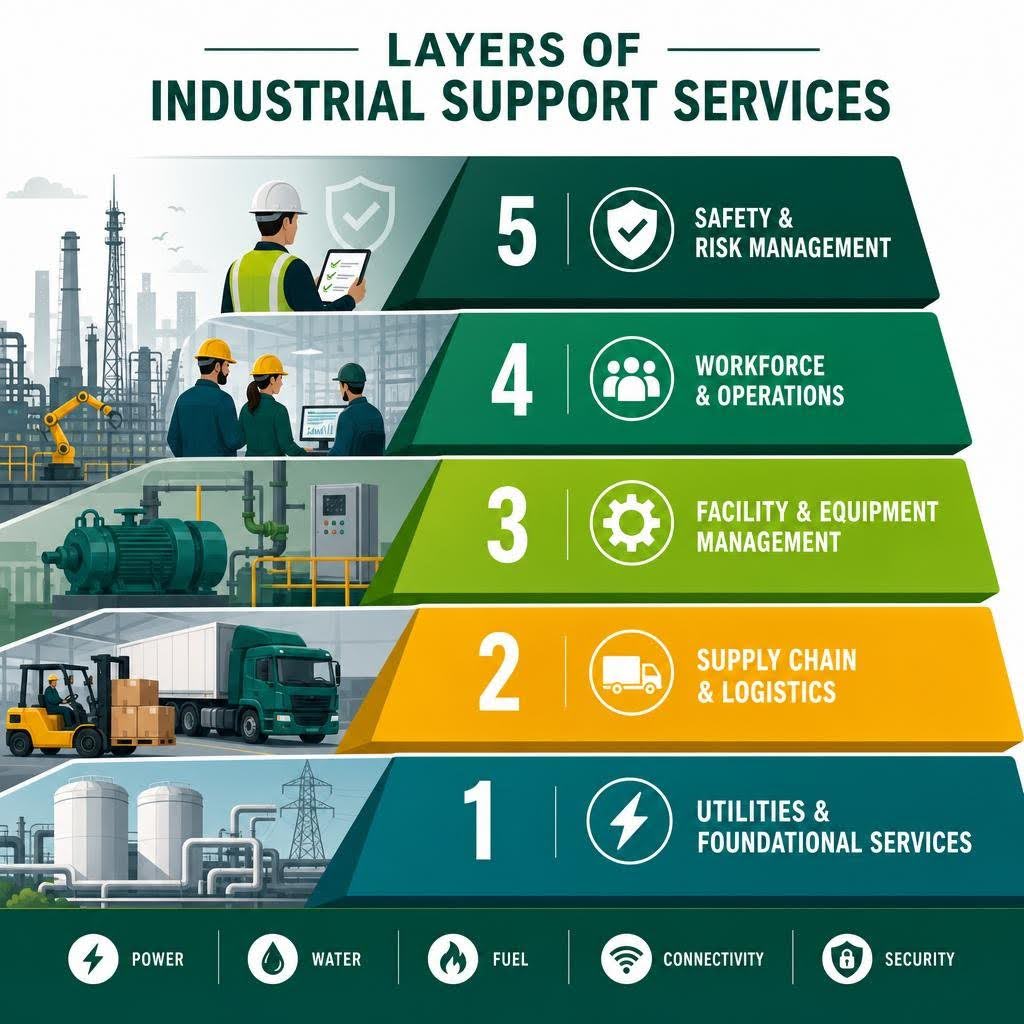
Defining Essential Services for Industrial Operations
The concept of “essential services” within industrial operations gained significant prominence during recent public health emergencies, prompting governments at both the federal and state levels to formalize definitions and guidelines. These classifications are crucial for maintaining societal function, ensuring economic stability, and protecting public health, particularly during times of crisis when widespread shutdowns might otherwise occur.


At its core, an essential service is one deemed critical for the continued operation of fundamental infrastructure, public safety, and well-being. The U.S. Department of Homeland Security (DHS) and its Cybersecurity and Infrastructure Security Agency (CISA) have been instrumental in establishing a federal framework. CISA’s guidance, particularly “CISA Guidance 2.0,” identifies a broad range of critical infrastructure sectors whose continuous operation is vital. However, states often adapt and expand upon this federal guidance through executive orders, tailoring definitions to their specific economic landscapes and population needs. These distinctions directly impact workforce continuity, supply chain operations, and facility maintenance, granting certain operations legal protections against conflicting local restrictions.
Federal CISA Framework and State Adaptations
CISA Guidance 2.0 outlines 17 critical infrastructure sectors, providing a foundational understanding of what constitutes essential work at a national level. These sectors range from Healthcare and Public Health to Energy, Transportation, Communications, and Critical Manufacturing. The guidance categorizes workers within these sectors as essential if their roles are necessary to ensure the continuity of critical functions.
While CISA provides a comprehensive baseline, states such as Texas, Florida, Mississippi, and New York have issued their own executive orders, often expanding on or clarifying the federal guidance to suit local contexts. For instance, Texas Governor Greg Abbott’s Executive Order GA-14, issued in March 2020, adopted CISA Guidance 2.0 and also explicitly added sectors such as Commercial Facilities, Residential/Shelter Facilities, and Hygiene Products and Services, as well as specific worker categories, such as retail medical goods staff and bus drivers. Similarly, Florida’s Executive Order 20-91 listed a broad array of essential services, emphasizing the energy sector, fuel delivery, and generator support as critical infrastructure.
Mississippi’s MEMA guidance provided a detailed list, encompassing agriculture, essential government functions, financial services, media, professional services, trash collection, mail, automotive repair, warehousing, and a wide array of essential retail and infrastructure services. New York State’s Executive Order 202.8 also defined essential businesses and workers across 14 categories, distinguishing between essential businesses and essential workers within those businesses, and clarifying that telework-capable roles must be performed remotely even if the business is essential.
These state-specific lists, while generally aligning with CISA’s intent, often feature unique expansions or stricter interpretations. For example, some states explicitly listed construction activities tied to critical infrastructure (like hospitals or utilities) as essential, while others placed tighter restrictions on non-essential construction. The nuances in these state orders highlight the dynamic nature of essential service designations and the need for industrial operations to monitor both federal and state-level directives.
Legal Protections and Regulatory Compliance
One of the most significant aspects of an essential service designation is the legal protection it can provide. During public health emergencies, executive orders classifying certain operations as essential typically grant them superseding authority over conflicting local restrictions. This means that an essential industrial facility operating under state or federal designation may be exempt from local curfews, travel restrictions, or workforce-reduction mandates that would otherwise apply to non-essential businesses.
However, this protection comes with stringent compliance requirements. Essential industrial operations are typically mandated to follow specific protocols regarding social distancing, personal protective equipment (PPE), and hygiene. For instance, New York’s Guidance on Executive Order 202.6 stipulated that even essential businesses must comply with Department of Health guidelines for clean and safe work environments and are strongly urged to maintain social distancing measures. Non-compliance could result in substantial fines, with some states imposing penalties up to $10,000 per violation for failing to adhere to safety and cleaning protocols.
Workforce reduction exemptions for essential businesses often come with caveats, such as the requirement to allow work-from-home arrangements where possible, even for roles within an essential organization. This ensures that only truly on-site critical functions necessitate in-person presence. For example, a worker solely performing data entry for an essential hotel would still be expected to telework. Industrial companies must carefully review these mandates to ensure full compliance, not only to avoid penalties but also to safeguard their workforce’s health and safety. The ongoing evolution of these regulations necessitates continuous monitoring and adaptation by industrial leaders.
Critical Sectors and Essential Roles in Industrial Operations
The scope of essential services extends across a diverse range of industrial sectors, each playing a vital role in the national and global economy. Understanding which sectors and specific roles within them are deemed essential is paramount for strategic planning and operational continuity.

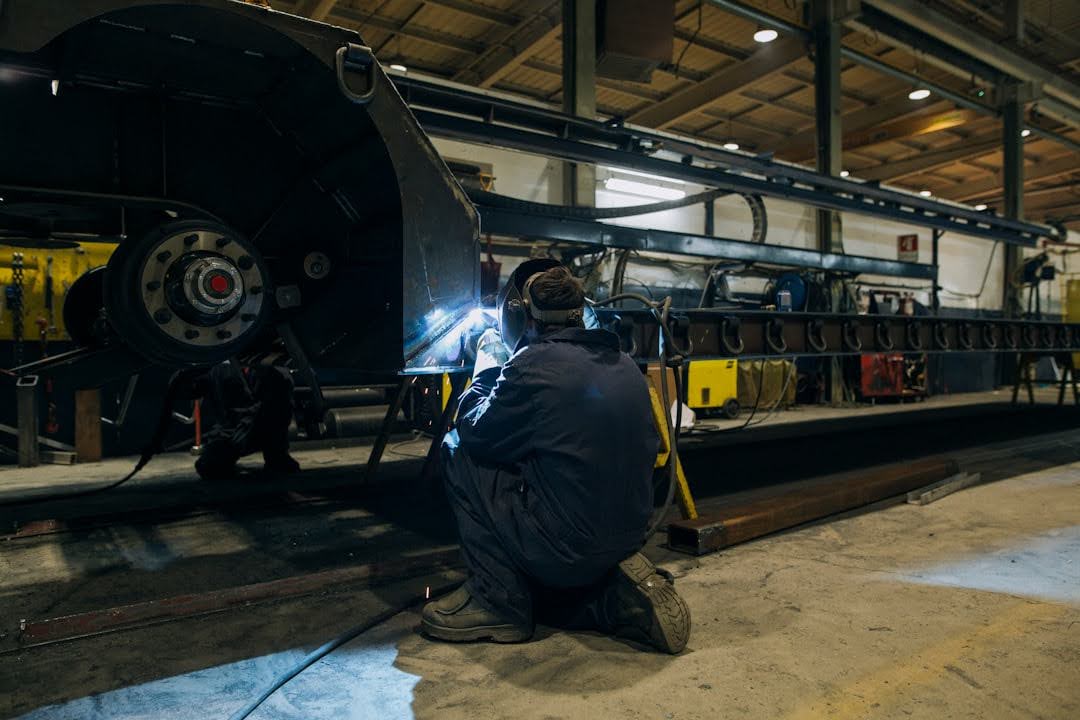
Core Industrial Sectors Under Federal Mandates
The CISA framework, largely adopted by states, identifies several core industrial sectors as critical:
- Energy Sector: This is arguably one of the most fundamental. It encompasses the petroleum industry, natural gas extraction and distribution, and electricity generation. Workers in these areas, including those involved in fuel delivery and generator support, are universally recognized as essential because energy systems power virtually all other critical infrastructure, from healthcare to communications. As of 2019, the energy sector employed around 6.8 million Americans, making up about 4.5% of the nation’s total workforce, underscoring its immense scale and importance.
- Critical Manufacturing: This sector comprises industries that produce goods critical to national security, economic prosperity, and public health. This often involves manufacturing medical equipment, pharmaceuticals, food and agricultural products, chemical products necessary for water treatment or other industrial processes, and defense infrastructure. Manufacturers of steel products, for example, are often deemed essential due to their foundational role in construction and other industries.
- Defense Industrial Base: Companies and workers supporting national security, including contractors and suppliers to the Department of Defense, are explicitly classified as essential to maintain national defense capabilities.
- Transportation and Logistics: The movement of goods and people is indispensable. This sector includes truck drivers, warehouse workers, and personnel involved in fuel distribution, ensuring that essential supplies, from food to medical equipment, reach their destinations.
- Water and Wastewater Systems: Operational staff and those maintaining Supervisory Control and Data Acquisition (SCADA) systems for water and wastewater treatment are essential for public health and sanitation.
Essential Support Services for Industrial Operations Roles
Beyond broad sector classifications, specific roles within industrial operations are consistently identified as essential due to their direct impact on critical functions:
- On-site Operators and Maintenance Personnel: These individuals are responsible for the direct operation, upkeep, and repair of machinery and infrastructure. This includes millwrights, mechanical technicians, electricians, plumbers, and HVACR technicians. Their hands-on expertise is irreplaceable for preventing breakdowns and ensuring continuous operation. For instance, the specialized skills provided by Essential industrial mechanical services are vital for keeping complex machinery running efficiently, often requiring immediate on-site attention.
- Logistics and Supply Chain Personnel: This category includes truck drivers, warehouse staff, and inventory managers who ensure the flow of raw materials, components, and finished goods. Their work is critical for maintaining supply chain integrity, especially for essential products.
- Cybersecurity and IT Professionals: In an increasingly digital industrial landscape, network operations and cybersecurity personnel are essential. They protect critical infrastructure from cyber threats, maintain communication systems, and ensure the functionality of SCADA systems.
- Hazardous Materials Personnel: Workers involved in the handling, storage, and disposal of hazardous materials are essential for safety and environmental protection within industrial settings. This can include specialized technicians at chemical plants or nuclear waste cleanup facilities.
- Facility Management and Support Staff: Beyond direct production, essential services include those who maintain the physical infrastructure of industrial sites. This can range from janitorial services ensuring hygienic conditions to security personnel, and even those providing essential administrative support that cannot be performed remotely.
- Engineers and Technical Specialists: Roles in engineering, design, and commissioning are essential for critical projects, system overhauls, and the implementation of new technologies that enhance operational resilience. This includes process engineers, manufacturing specialists, and control system experts.
The interplay of these sectors and roles forms a complex web of interconnected essential services. Disruptions in one area can cascade, affecting many others. Therefore, recognizing and supporting these diverse functions is fundamental to safeguarding industrial continuity.
Operational Protocols and Emergency Preparedness
For industrial operations designated as essential, maintaining continuity during crises is not just about having the right personnel and equipment; it’s also about adhering to strict operational protocols and robust emergency preparedness plans. These measures are designed to protect the workforce, prevent the spread of disease, and ensure resilience against unforeseen disruptions.

Health and Safety Compliance on the Factory Floor
During public health emergencies, essential industrial facilities are typically subjected to enhanced health and safety mandates. These protocols, often based on guidelines from the Centers for Disease Control and Prevention (CDC) and the Occupational Safety and Health Administration (OSHA), are critical for protecting employees and preventing outbreaks that could jeopardize operations. Key compliance measures include:
- Social Distancing: Implementing measures to maintain physical distance between workers, such as staggering shifts, reconfiguring workstations, limiting capacity in common areas, and utilizing clear signage. For instance, New York’s guidance emphasized social distancing in elevators, at meals, and at entry/exit points.
- Personal Protective Equipment (PPE): Ensuring the availability and mandatory use of appropriate PPE, such as masks, gloves, and eye protection, especially in roles where social distancing is challenging.
- Hygiene and Sanitizing Protocols: Establishing rigorous cleaning and sanitizing schedules for common areas, workstations, tools, and equipment. This includes providing hand hygiene stations (sanitizer, soap, and water) throughout the facility.
- Health Screening Stations: Implementing procedures for daily health checks, which may include temperature screenings and symptom questionnaires, upon entry to the facility to identify potentially ill individuals before they enter the workplace.
- Shift Staging and Cohorting: Organizing workers into distinct shifts or cohorts to minimize interaction between groups, limiting potential exposure, and facilitating contact tracing if an infection occurs.
- Ventilation Improvements: Enhancing ventilation systems to improve air quality and reduce airborne transmission risks.
These protocols are not merely bureaucratic requirements; they are fundamental to maintaining a healthy workforce, which is the most critical asset for any essential industrial operation.
Supply Chain Resilience and Emergency Fueling
Beyond internal health measures, essential industrial operations must also build resilience into their supply chains, particularly for critical resources such as fuel. Disruptions to fuel supply can halt transportation and power generation, bringing entire operations to a standstill.
- Generator Support: Many industrial facilities, especially those with mission-critical functions like data centers, hospitals, or manufacturing plants, rely on backup generators during power outages. Ensuring a continuous supply of fuel for these generators is paramount. This often involves establishing contracts with emergency fuel suppliers who can provide priority refueling during disasters.
- Fuel Delivery for Fleets: Industrial fleets, whether in logistics, construction, or agriculture, require uninterrupted access to fuel. This includes diesel, gasoline, and Diesel Exhaust Fluid (DEF). Delays or shortages can lead to significant downtime and operational losses. Partnering with Industrial fleet fueling experts can provide solutions like on-site refueling, automated monitoring, and nationwide networks to ensure a consistent supply. For instance, services that offer mobile refueling directly to construction sites or agricultural equipment can significantly reduce downtime and improve efficiency.
- Mobile Refueling: The ability to refuel equipment and vehicles on-site, rather than requiring them to travel to a fueling station, is a critical component of operational efficiency and emergency preparedness. This is particularly relevant for large construction projects, remote industrial sites, or during widespread power outages when traditional fueling infrastructure might be compromised.
- Red Diesel Usage: In sectors such as construction and agriculture, “red diesel” (untaxed diesel fuel) is often used for off-road vehicles and equipment due to its cost-effectiveness. Ensuring a reliable supply of red diesel is crucial to these operations, and supply chain disruptions can directly affect project timelines and costs.
- Priority Response Contracts: Establishing emergency fuel contracts with suppliers can ensure delivery through extensive distributor networks and large storage tanks, even during periods of high demand or price volatility. These contracts often include priority response programs, ensuring that essential operations receive fuel ahead of others during crises. “Expecting the unexpected” is not a phrase that any operation should take lightly when it comes to fuel supply; a solid backup plan provides peace of mind and limits downtime.
Developing an Emergency Action Plan that includes a robust strategy for fuel supply, along with identifying backup vendors for other critical materials, is a best practice for all essential industrial operations. This proactive approach minimizes risks and enhances the ability to maintain operations through any crisis.
Even with clear federal and state guidelines, the process of officially classifying an industrial operation or specific roles as essential can be complex, especially when navigating conflicting mandates from different levels of government. Industrial companies must be prepared to engage with regulatory bodies actively, understand waiver processes, and adapt their operational models.
How to Request Essential Services for Industrial Operations Status
While many industrial sectors are explicitly covered by CISA guidance and state executive orders, there can be edge cases or unique operations that require specific designation. In such scenarios, companies may need to request essential services status or formally obtain waivers.
- Waiver Application Processes: States typically establish dedicated channels for businesses to request essential status if they believe their operations are critical but not explicitly listed. For example, during the COVID-19 pandemic, the Texas Division of Emergency Management (TDEM) provided an email address (essentialservices@tdem.texas.gov) for businesses to submit such requests. Similarly, New York’s Empire State Development (ESD) created a “Business Reopening Lookup Tool” to help businesses determine their essential status or seek clarification.
- Documenting Critical Infrastructure Impact: When submitting a request, it is crucial to clearly articulate how the industrial operation contributes to critical infrastructure, public health, or safety. This involves detailing the specific products or services provided, their direct impact on other essential sectors, and the consequences of cessation.
- State-Specific Submission Portals: Companies must consult the official websites of their respective state governments (e.g., Florida’s Division of Emergency Management, Mississippi Emergency Management Agency, New York’s Empire State Development) for the most up-to-date information on application procedures, required documentation, and submission deadlines. These portals often provide detailed FAQs and contact information for further assistance.
Managing Hybrid and Telework Requirements
A recurring theme in essential service guidelines is the emphasis on minimizing the on-site workforce and leveraging telework where possible. This creates a “hybrid operational model” even for essential industrial operations, requiring careful differentiation between roles.
- Differentiating Essential Roles: Industrial companies must conduct a thorough assessment to identify which roles are truly indispensable for on-site operations and which can be performed remotely. For instance, while a manufacturing line worker is an essential on-site role, an administrative assistant or a data entry specialist within the same essential business might be able to telework. New York State explicitly stated that a worker whose job is a necessary part of producing an essential product or service and cannot be completed via telework is considered essential.
- On-site Workforce Minimization: Even for essential on-site roles, companies are often urged to maintain the smallest possible workforce necessary to perform critical functions. This might involve staggering shifts, cross-training employees for critical tasks, and implementing strict access controls to limit the number of individuals present at any given time.
- Staging Activities: In some cases, particularly for construction or maintenance projects, certain “staging activities” might be permitted even when full operations are restricted. This could include cleaning, equipment testing, installing safety stations, or preparing a site for future work, all while adhering to strict social distancing and safety protocols.
- Compliance and Best Practices: Implementing best practices, such as maintaining social distancing in the workplace, providing adequate PPE, and ensuring robust cleaning protocols, is non-negotiable for all on-site essential workers. Companies must also be prepared for potential audits and enforcement actions related to these requirements.
Navigating these complexities requires a proactive and informed approach. Industrial leaders must stay abreast of evolving regulations, engage with government agencies, and continuously adapt their operational strategies to ensure compliance and maintain their essential status.
Frequently Asked Questions about Essential Services for Industrial Operations
Understanding the nuances of essential services is crucial for industrial operations. Here, we address some common questions.
What defines a service as essential during an industrial crisis?
A service is defined as essential during an industrial crisis if its disruption would have a significant detrimental impact on critical infrastructure, public health, public safety, national security, or economic stability. The U.S. Department of Homeland Security’s CISA guidelines provide the primary federal framework, identifying sectors like energy, critical manufacturing, transportation, and healthcare as foundational. Beyond these, a service is essential if it directly supports the preservation of the population’s life safety or ensures the continuity of vital supply chains for goods and services. For example, uninterrupted fuel supply for emergency generators or consistent maintenance for water treatment plants are classic examples of essential services.
How do state-specific lists differ from federal CISA guidance?
State-specific lists, typically issued by governors via executive orders, often expand on or provide more granular detail than the federal CISA guidance. While CISA offers a broad framework of 17 critical infrastructure sectors, states may:
- Expand Definitions: Add sectors or specific sub-sectors that are particularly vital to their local economy or population. For instance, Texas expanded to include commercial and residential facilities, as well as hygiene products.
- Clarify Roles: Provide more explicit definitions of essential worker roles within a sector, distinguishing between on-site and remote work capabilities.
- Address Local Geographic Priorities: Emphasize industries or services that are regionally critical, such as agriculture in farming-heavy states or specific manufacturing in industrial hubs.
- Implement Stricter Workforce Reductions: Some state orders may require more stringent measures to minimize on-site staff or enforce social distancing, even for essential businesses.
- Provide Specific Examples: Offer concrete examples of essential businesses (e.g., specific types of retail like grocery stores, pharmacies, gas stations) to reduce ambiguity for businesses and enforcement agencies.
These differences necessitate that industrial operations consult both federal and state-level guidance applicable to their specific locations.
What protocols must essential industrial facilities follow to remain open?
To remain operational as an essential service, industrial facilities must adhere to a range of health, safety, and operational protocols. These are often based on CDC and OSHA guidelines and include:
- Social Distancing: Implementing measures to maintain physical distance (e.g., 6 feet) between employees, customers, and visitors. This includes reconfiguring workspaces, staggering shifts, and limiting gatherings.
- PPE Standards: Ensuring the provision and mandatory use of appropriate Personal Protective Equipment (PPE), such as face coverings, gloves, and eye protection, especially when social distancing is not feasible.
- Sanitizing Stations: Providing readily accessible hand hygiene stations (hand sanitizer, soap, and water) and implementing enhanced cleaning and disinfection protocols for all common areas, workstations, and shared equipment.
- Health Screenings: Conducting daily health assessments, which may include temperature checks and symptom questionnaires, for all individuals entering the facility.
- Employee Training: Educating employees on all new health and safety protocols, including proper hygiene, PPE use, and reporting procedures for illness.
- Workforce Minimization: Utilizing telework for all roles that can be performed remotely and maintaining the smallest possible on-site workforce necessary for critical functions.
- Emergency Action Plans: Having clear plans for responding to potential infections, including contact tracing, isolation procedures, and facility disinfection.
Compliance with these protocols is not only a legal requirement but also a fundamental responsibility to protect the health and safety of the workforce and the wider community.
Conclusion
The continuity of industrial operations is not merely a commercial concern; it is a pillar of societal stability, economic resilience, and public well-being. As we navigate an increasingly unpredictable global landscape, the concept of “essential services for industrial operations” has moved from a theoretical construct to a critical framework for preparedness and response.
This extensive guide has underscored the intricate interplay between federal CISA guidance and state-specific executive orders, highlighting how these definitions shape workforce continuity, supply chain integrity, and facility management. We’ve seen that essentiality spans diverse sectors—from energy and manufacturing to transportation and defense—and encompasses a multitude of roles, from on-site operators to cybersecurity engineers. The emphasis on stringent health and safety protocols, coupled with robust emergency preparedness and supply chain resilience (including critical aspects like fuel delivery), is non-negotiable for maintaining operational uptime.
Ensuring the long-term industrial continuity requires a proactive approach. This involves not only understanding and complying with evolving regulatory frameworks but also strategically planning for disruptions, building resilient supply chains, and fostering a culture of safety and adaptability. By prioritizing these elements, industrial leaders can safeguard their operations, protect their workforces, and continue to provide the essential services that power our world, ensuring that the gears of industry never cease to turn.