



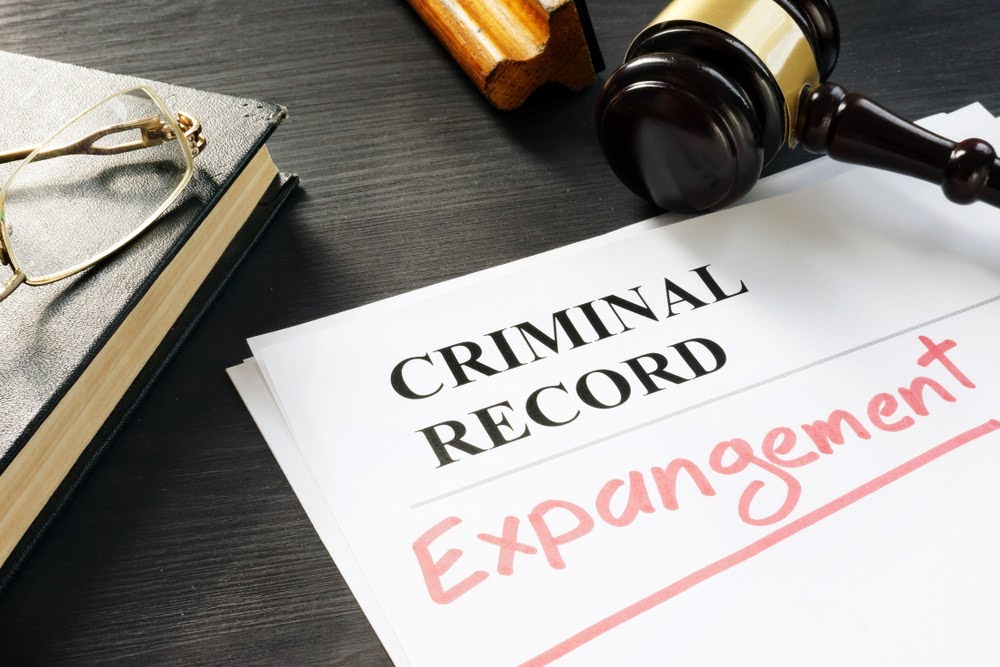
A background check can reopen a chapter of life that someone thought was long behind them. A charge from years ago may appear during a job application, a housing search, or a professional licensing review. For many people, the surprise is not that the record still exists. The bigger surprise is learning that expungement may be available in certain situations. Even so, many eligible individuals never take the next step. The reasons are often simple. They may not know enough about the process, they may misunderstand the rules, or they may assume they do not qualify. As a result, opportunities can continue to be affected by records that remain visible.
Some people first learn about expungement after speaking with a criminal record expungement attorney and discovering that a past case may not follow them forever.
A Record That Follows Someone Longer Than Expected
Many people expect old records to lose importance over time. They assume that once a case is resolved, it will gradually disappear from view.
In reality, records can continue appearing in background checks years later. Employers, landlords, and licensing organizations may still have access to information connected to an old case.
Because of this, a person may encounter unexpected questions long after moving forward with life. What feels like a closed chapter may still be affecting important decisions behind the scenes.
The Biggest Misunderstanding Starts With Eligibility
One of the main reasons people do not pursue expungement is that they misunderstand who may qualify.
A common belief is that a dismissed case automatically disappears. Someone may assume that if charges were dropped or the case ended favorably, no record remains. Unfortunately, that is not always true.
Another misunderstanding is that expungement only matters for major criminal cases. People sometimes believe a minor charge is not worth addressing. Later, they discover that even an old record can appear during screening processes.
Assuming a Dismissed Case Automatically Disappears
Many individuals never ask questions because they believe the system removes records on its own. By the time they learn otherwise, years may have already passed.
Thinking Expungement Is Only for Serious Legal Situations
Others underestimate the impact an old record can have. Because they do not see an immediate problem, they never explore whether expungement could apply to their situation.
The Information Gap That Keeps People From Taking Action
Awareness remains one of the biggest obstacles.
Many people simply do not know that expungement exists. Others have heard the term but are unsure what it means or how the process works.
Legal procedures can seem intimidating, especially for someone who has not dealt with the court system in a long time. Reading eligibility requirements and paperwork instructions may feel confusing.
As a result, people often postpone looking into the issue. What begins as a temporary delay can turn into years of inaction.
How Everyday Life Brings Old Records Back Into View
A record may seem unimportant until it affects a real opportunity.
Someone applying for a new job may encounter a background screening requirement. A housing application may involve a review of personal history. Professional certifications, volunteer opportunities, and educational programs may also involve record checks.
These situations often remind people that old records can still influence present-day decisions.
For some, this becomes the first moment they seriously consider whether expungement could help remove a barrier that has quietly existed for years.
Fear of Reopening the Past
Even people who know about expungement sometimes hesitate to move forward.
Concerns About Court Processes
Returning to legal paperwork can feel uncomfortable. Some individuals worry that revisiting an old case will bring back stress they would rather leave behind.
Others are concerned about forms, deadlines, or court procedures they do not fully understand.
Concerns About Cost and Time
People may also assume the process will require more time or money than they can manage. Without clear information, uncertainty often becomes the reason they decide not to act.
Why Waiting Can Create New Challenges
Delaying action can sometimes make things more difficult.
Old records may become harder to locate. Important case details can be forgotten. Gathering documents from years earlier may require additional effort.
Waiting can also mean continuing to face obstacles that might have been addressed sooner. Employment opportunities, housing applications, and other important decisions may continue to be affected while the record remains accessible.
This does not mean every case qualifies for expungement. It simply highlights the value of understanding available options early.
The Role of a Criminal Record Expungement Attorney
Questions about eligibility, records, and procedures are often more complicated than people expect.
A criminal record attorney may help review case information, explain procedural requirements, and determine whether expungement is available under applicable rules.
Because every situation is different, eligibility often depends on the specific facts of a person’s record and legal history.
Understanding those details can make the process easier to evaluate.
Conclusion
Expungement is often discussed as a legal procedure, but its effects can reach far beyond court documents. It may influence employment opportunities, housing options, and future goals.
For individuals seeking general information about past cases and background screenings, criminal records can provide useful context about how records remain accessible over time.
One reason more people do not use expungement is not a lack of interest. It is a lack of awareness. Many people never realize that a legal option may exist until years after they become eligible. Learning about that possibility is often the first step toward making informed decisions about the future.


