



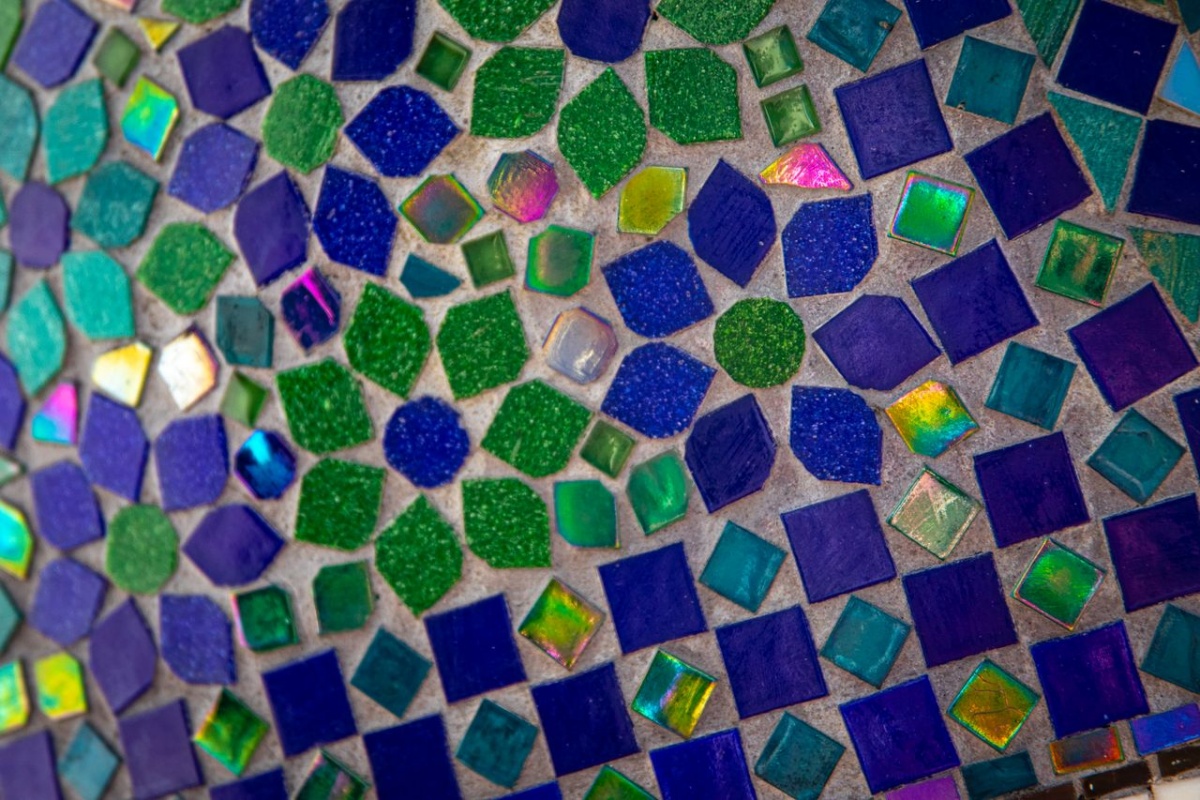
Choosing the right type of mosaic can significantly impact the aesthetics and functionality of your space. Whether you’re revamping your kitchen backsplash or designing a bathroom, Mosaics offer a creative way to add texture and color. But the question arises: should you opt for ceramic Mosaics or glass Mosaics? Each has its unique characteristics, benefits, and challenges. This article will delve into the specifics of both ceramic and glass Mosaics, helping you determine which option aligns with your interior design goals and home improvement needs.
Ceramic Mosaics: A Timeless Choice for Interior Design
Ceramic Mosaics have long been a staple in interior design, offering a classic look that can suit various design styles. One of the primary tools used in the development of ceramic Mosaics is the finish schedule, which ensures that the chosen materials harmonize with the overall aesthetic of the room. Ceramic tiles are known for their durability and resistance to moisture, making them ideal for spaces such as kitchens and bathrooms. They also provide a great foundation when working with a mood board to visualize the final design.
When considering zoning laws, ceramic Mosaics are often preferred due to their fire-resistant properties. This makes them a suitable choice for areas where safety regulations are stringent. Furthermore, their adaptability in terms of color and pattern allows for a wide range of styles, from rustic to contemporary. For example, selecting stunning Mosaics can elevate any design trend.
The process of site analysis, which involves understanding the spatial constraints and environmental factors, reinforces the utility of ceramic Mosaics. Their ability to withstand varied conditions is a testament to their timeless appeal in interior design.
Glass Mosaics: Modern Aesthetics and Versatility
Glass Mosaics bring a modern flair to any space, offering vibrant colors and reflective surfaces. These Mosaics are often selected during the schematic design phase due to their ability to serve as a focal point, drawing attention and adding depth to a room. Unlike ceramic Mosaics, glass Mosaics can enhance light play within a room, creating dynamic visual effects that are particularly striking in well-lit areas.
The versatility of glass Mosaics is evident in their applicability to both interior and exterior spaces. Their resistance to stains and ease of cleaning make them an excellent choice for areas that require frequent maintenance. Additionally, their use in hardscape projects, such as outdoor patios, showcases their adaptability beyond traditional interior settings.
Glass Mosaics can be explored further through the Mosaics collection, offering a wide variety of styles and colors. As the industry continues to evolve, glass Mosaics remain a popular choice for modern homeowners looking to create a striking visual impact.
Comparing Durability and Maintenance: Ceramic vs. Glass
When deciding between ceramic and glass Mosaics, durability and maintenance are crucial factors. Ceramic Mosaics are renowned for their robust nature, often featured in CAD models for heavy-use areas. Their resistance to scratches and wear makes them ideal for high-traffic environments. However, they might require more frequent sealing to maintain their appearance over time.
In contrast, glass Mosaics offer easier maintenance due to their non-porous surface, which prevents the absorption of liquids and stains. This characteristic reduces the need for rigorous cleaning routines, making them a practical choice for busy households. The punch list, which outlines the final tasks for any installation, often highlights the ease of cleaning as a selling point for glass Mosaics.
While both types of Mosaics offer durability, the choice often depends on the specific conditions of the space and the level of maintenance the homeowner is willing to undertake.
Aesthetic Appeal: Which Mosaic Style Complements Your Space?
The aesthetic appeal of ceramic and glass Mosaics varies widely, influenced by factors such as color theory and space planning. Ceramic Mosaics offer a muted, earthy palette that can ground a space and create a warm, inviting atmosphere. Their ability to blend seamlessly with millwork and other interior elements makes them a versatile choice for various design schemes.
On the other hand, glass Mosaics provide a bold and vibrant accent, ideal for creating a dynamic focal point within a room. Their reflective qualities can enhance the perception of space, making small areas appear larger and more open. This is particularly valuable in urban settings where maximizing space is paramount.
When considering which mosaic style complements your space, it’s essential to evaluate your design goals and the mood you wish to create. Both ceramic and glass Mosaics offer unique aesthetic qualities that can transform a room’s ambiance.
Conclusion
Selecting between ceramic Mosaics and glass Mosaics depends largely on your design objectives and practical considerations. Ceramic Mosaics offer timeless durability and versatility, while glass Mosaics provide modern aesthetics and ease of maintenance. By considering your space planning needs and aesthetic goals, you can choose the mosaic that best enhances your environment. Embrace the potential of Mosaics to elevate your interior design project and create a space that truly reflects your style.


