




Key Takeaways
- Clothing is a powerful form of nonverbal communication that expresses identity, beliefs, and emotions.
- Fashion reflects personal experience and individuality, turning wardrobes into storytelling mediums.
- Dressing authentically empowers and builds confidence, supporting self-expression and agency.
- Fashion is a creative art form that blends color, texture, and silhouette to showcase personality.
- Gender fluidity is reshaping style, encouraging inclusivity and breaking traditional norms.
- Sustainability and ethical choices matter, as consumers prioritize eco-conscious, responsible fashion.
- Every day fashion enhances self-confidence, connection, and a sense of belonging.
The Language of Clothing
Fashion is more than a fleeting trend or seasonal collection. It serves as a silent yet profoundly powerful language, allowing individuals to communicate identity, belief, and emotion without a single spoken word. Every element, from a tailored blazer to a vibrant scarf, sends a message about who we are and how we want to be seen. Through centuries, clothing has marked social class, invoked tradition, and acted as a badge of rebellion. Whether drawn to bold colors or subtle neutrals, each person’s wardrobe becomes a visual autobiography, a storytelling medium far richer than simple aesthetics. For those looking to make their style journey easier or more personalized, personal shopping services can be invaluable partners in defining and expressing individuality.
The beauty of fashion lies not just in its ability to adorn the body, but in how it reveals the inner world of the wearer. Outfits are carefully curated reflections of personal experience, moods, cultural backgrounds, and ambitions. It is not mere happenstance that casual Fridays or formal events come with their own dress codes; the clothes we select for these occasions say much about who we are and what matters to us. Personal style choices show how someone feels at a given moment, offering clues to confidence, creativity, or even vulnerability.
Fashion as Identity and Self-Expression
When it comes to forging identity, fashion acts as an essential ally. How we dress is often a mirror of our beliefs, tastes, and emotional states. For many, selecting a garment is a deeply personal decision, interwoven with memories, cultural references, and hopes for the future. Societal norms may influence our wardrobes, but the process of mixing, matching, and reinterpreting those influences is inherently personal. The cut of your jeans or an eye-catching pair of shoes can act as a quiet protest or a proud display of roots and affiliations.
Empowerment Through Style
In today’s world, fashion and empowerment have become closely intertwined. Dressing in a way that feels true to oneself can cultivate confidence and provide a sense of agency. This is visible in choices that defy outdated gender norms, embrace vibrant colors, or emphasize comfort and authenticity. What matters most is the feeling of empowerment that comes from being genuinely seen and accepted on one’s own terms. The everyday decisions made in front of a closet can affirm an individual’s right to self-determination and dignity.
Fashion as Art and Creativity
More than simple function or conformity, fashion thrives where art and experimentation meet. Designers and everyday consumers alike treat favorite pieces as canvases, painting with color, texture, and silhouette. The strict boundaries between haute couture and street style have blurred, leaving space for eclectic and innovative approaches. Creative styling is now commonplace, elevating even ordinary outfits to acts of self-expression. Every closet is a workshop where art and life intersect, shaping culture in real time.
The Rise of Gender Fluidity in Fashion
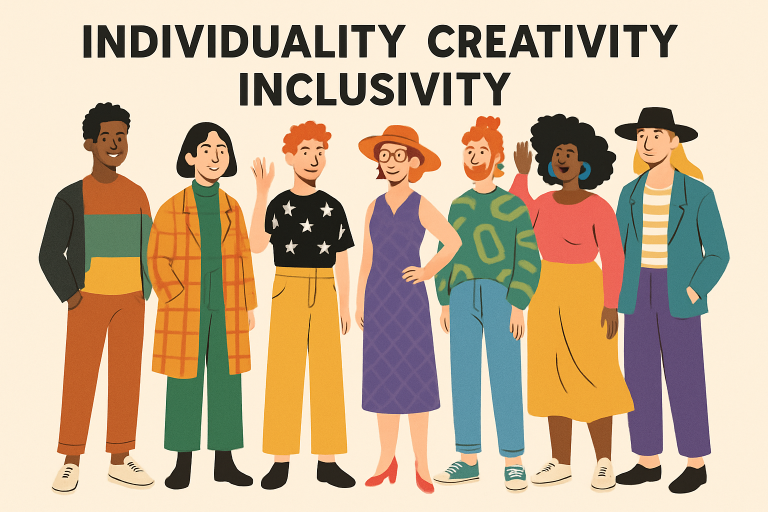
Recent years have seen a significant reconsideration of how gender is presented through clothing. The rise of gender fluidity has reshaped shopping habits and personal expression, opening up the fashion world to more inclusive designs and collections. This movement goes beyond mere disregard for rigid dress codes; it actively encourages fluidity, challenging the expectations of traditional masculine and feminine attire. Unisex collections, oversized garments, and androgynous styles are now celebrated for empowering wearers to redefine identity on their own terms. According to Vogue, this dynamic shift is making the fashion industry more accessible and authentic than ever before.

Sustainability and Ethical Fashion
Increasingly, sustainability is shaping not only what people wear, but why they wear it. Shoppers are now attuned to fashion’s environmental impact and are making careful choices to support ethical practices. Sustainable fashion includes second-hand shopping, upcycled designs, and prioritizing brands that value environmental stewardship. Conscious consumers believe that what you wear should align with your values and have a positive impact, not just on yourself, but on the world at large.
Fashion in Everyday Life
Even away from the global runway or social media feeds, fashion is interwoven with daily life. The way a person dresses is often an extension of their personality, capturing moods, aspirations, and unique stories. While some design their looks around experimentation, others pursue the simplicity of minimalist style. But regardless of the approach, the result is often greater self-confidence and a deeper sense of belonging in the world. At its heart, fashion is about feeling at ease in one’s own skin; clothing is the vehicle through which that serenity is often reached.
Final Thoughts
Fashion is fundamentally more than attire. In each moment and on each body, it becomes a rich tapestry of storytelling, empowerment, creativity, and purposeful living. As society advances, personal style remains a core thread tying individuals to culture, community, and themselves. By embracing fashion as an evolving form of self-expression, people foster meaningful social and cultural impact, ensuring that style, in all its forms, continues to inspire and empower.


