



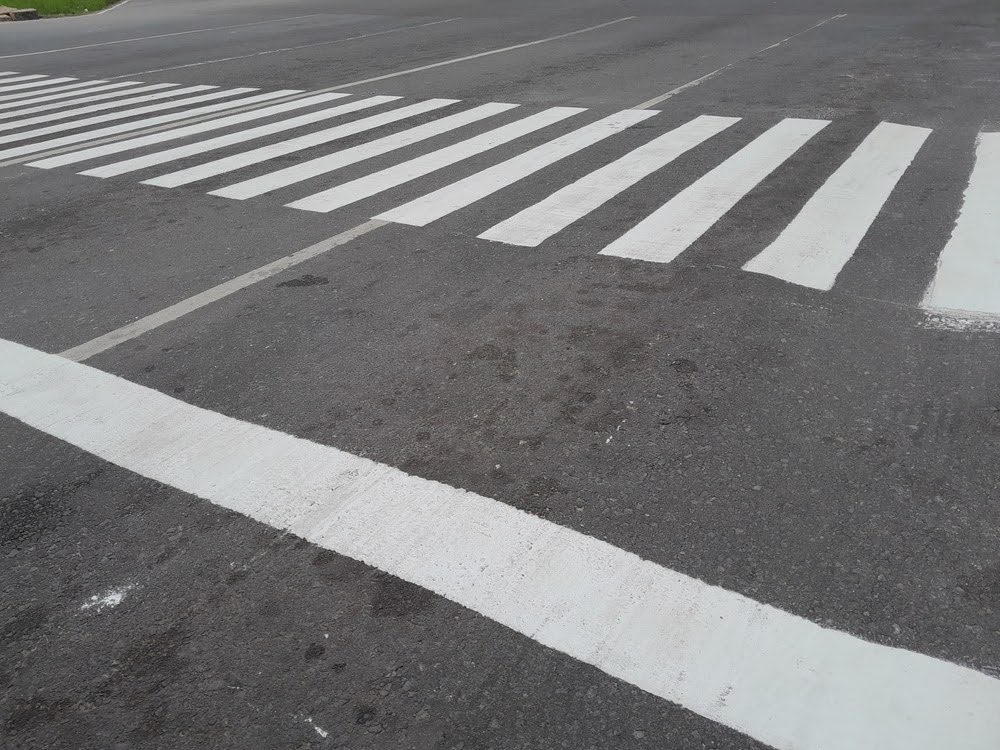
Traffic rarely speaks in loud warnings before something goes wrong. It moves in quiet rhythm, with people trusting that everything around them will respond at the right time. A pedestrian stepping forward and a driver watching the road both depend on small moments that feel ordinary but carry real weight.
A two-second gap sounds harmless in daily life, yet on a moving street, it can reshape everything that follows. These tiny pauses are not always noticed, but they sit at the center of many serious incidents. Even outcomes tied to pedestrian accident compensation often come back to these brief gaps in reaction, awareness, or judgment that no one pays attention to until later.
The idea here is simple: those short seconds are not empty time; they are where safety decisions quietly succeed or fail without warning.
What the 2-Second Delay Really Means in Traffic
A delay of two seconds is not just waiting; it is a pause in attention or response that happens without intention. It can be a driver looking away for a moment, a foot lifting slightly late, or a quick hesitation at a crossing. These are not rare actions; they happen in everyday traffic more often than people realize. Roads are always in motion, so even a short pause changes position, distance, and timing in ways that are hard to reverse.
The delay itself is not dramatic, but its effect depends on what is moving around it. Vehicles continue forward, pedestrians continue stepping, and signals keep changing. In that flow, even a short break in reaction becomes part of a much larger chain of events that unfolds very quickly.
How a Small Delay Turns Into a Serious Situation
Two seconds may not sound like much, but movement on roads does not stop to adjust for human hesitation. A vehicle traveling at a normal speed covers a significant distance in that time, often more than people expect. Braking also takes time to respond, apply, and slow down safely, which means delay reduces available space for action. At crossings, timing between stepping and stopping can easily misalign, especially when assumptions are made instead of careful observation.
Several small factors combine in these moments:
Constant motion of vehicles
Even a steady speed means continuous movement that cannot pause instantly
Reaction time limits
Every person needs time to notice and respond, even in simple situations
Misjudged crossing distance
Distance is often estimated incorrectly in fast-moving environments
Brief attention shifts
A glance away can remove awareness of what changes in those seconds
Each of these does not act alone, but together they shape how quickly a situation can turn from normal to complicated without clear warning.
Why These Seconds Are Often Missed in Understanding Events
After an incident, people usually describe what happened in broad steps instead of exact timing. The mind does not naturally record seconds with precision during stressful moments. Reports often focus on what occurred, not how quickly it happened. Footage may show movement, but not always capture attention shifts clearly.
Witness accounts may differ because memory focuses on impact rather than timing. This makes it difficult to identify where a small delay actually influenced the outcome. Over time, those missing seconds become part of assumptions rather than clear facts, even though they played an important role in how the situation unfolded.
Human Reaction and Natural Delay in Movement
Human reaction is not instant, even when attention is strong. The brain needs time to notice movement, understand it, and send a response to the body. This process happens in fractions of a second, but it is never zero. Fatigue, distraction, or focus on other surroundings can slightly increase that delay.
On roads, this becomes more noticeable because everything around is also moving. Drivers and pedestrians both depend on this natural timing, which means both sides operate within limits that cannot be removed. The delay is not a mistake; it is part of how human response works in real-time environments.
How Timing Shapes Responsibility and Understanding
Timing plays an important role in understanding how events unfold because it helps explain sequence rather than just outcome. A small delay can change whether an action was early, late, or just slightly misaligned. This becomes important during the review of events, where each step is examined closely. Movement, signals, and reactions are all placed in order to understand what happened within those short moments.
In many cases, professionals handling situations related to pedestrian accident compensation study timing carefully to understand how decisions and reactions interact during the incident. The focus is not only on what happened, but also on how quickly each part occurred in relation to the other.
Closing Thoughts
A two-second delay may seem like nothing in daily life, but on the road, it becomes part of how movement and response interact. These brief pauses shape how situations develop, how they are understood later, and how details connect into a full picture.
Many outcomes depend not only on actions themselves but on how quickly those actions occur. In the middle of all this movement, even the smallest hesitation becomes part of a larger chain that cannot be separated once it unfolds.


