



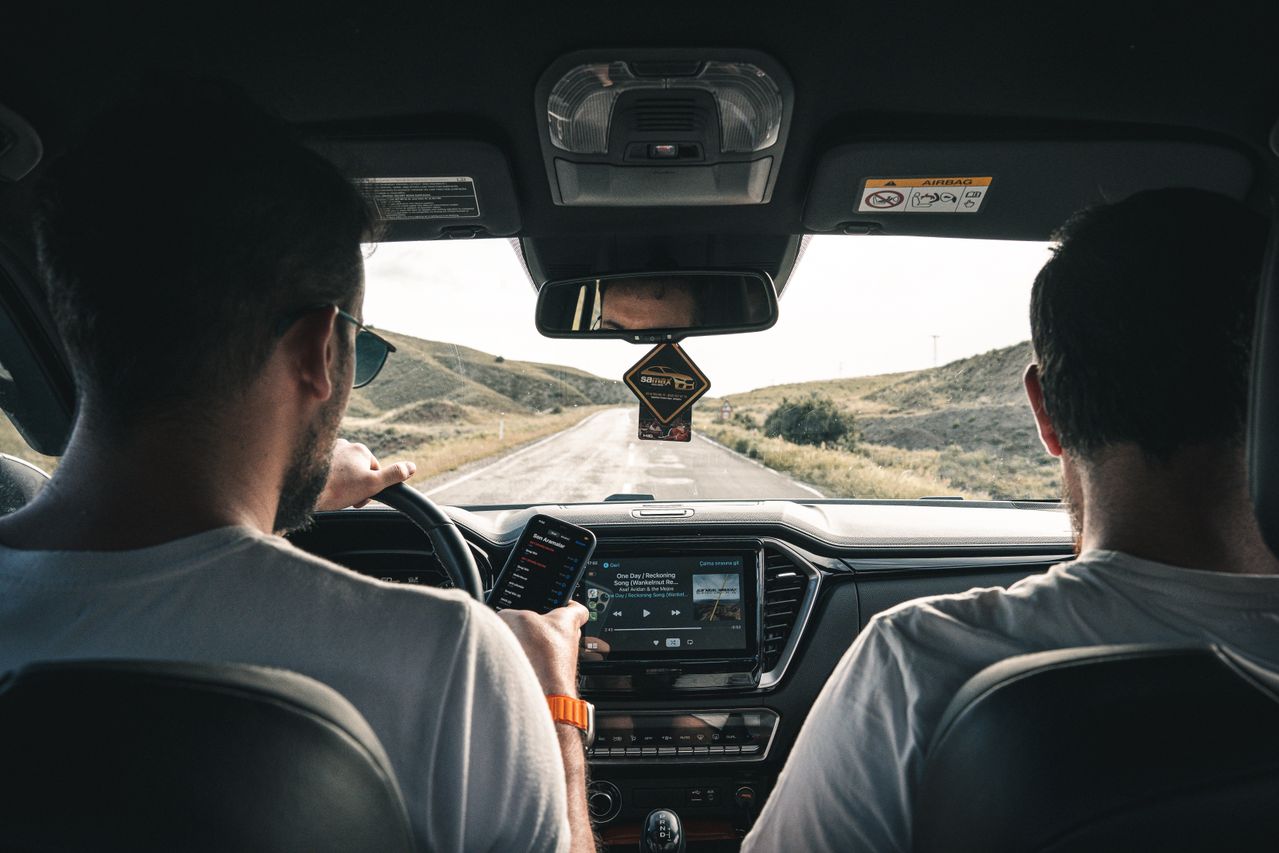
Escaping the daily grind has never been more appealing for modern professionals. With recent data from the Australian Bureau of Statistics highlighting that over 21 percent of Australians experience a mental health disorder in any given 12-month period, it is no wonder that rural and outback tourism is rapidly surging. A 2024 environmental psychology study conducted across major Australian cities found that individuals who actively disconnect from urban environments and spend time in natural green spaces exhibit significantly lower levels of psychological stress and anxiety. As more Australians seek out remote adventures to combat this fatigue, official government data shows over 17 million domestic caravan and camping trips were taken in a single year, representing a 14 percent increase and a 12.6 billion dollar spend. However, heading into the wilderness no longer means leaving all your modern luxuries and conveniences behind. Today, planning the ultimate off-grid road trip is all about balancing adventure with sophisticated comfort.
Preparing Your Setup for Harsh Terrain
Tackling Australia’s most remote regions requires serious preparation and the right equipment. The outback is notoriously unforgiving, and standard highway vehicles simply cannot handle the extreme corrugations, deep sand, and unpredictable weather patterns. Modern travellers are increasingly looking for setups that blend heavy-duty suspension with comfortable, climate-controlled living quarters. Whether you are crossing a vast desert or navigating a rocky riverbed, taking your RV off road demands high-capacity water storage and a robust chassis built specifically for off-grid durability.
It is vital to ensure that your suspension and power setup can handle the constant vibrations of outback travel. Recent industry innovations have made this easier than ever. Lightweight Dust Reduction Systems, such as the 2024 Good Design Award-winning models, can now pressurise a camper cabin to keep the interior completely spotless. This means you can tackle hours of driving through red dirt and still step into a pristine living space at the end of the day.
Essential Technology for Off-Grid Living
The 2025 Camping and Caravanning Market Outlook notes a massive industry shift toward integrating smart home technologies into mobile setups. Travellers can now monitor power levels, water reserves, and climate control remotely directly from their smartphones. Satellite internet services like Starlink have also transformed remote travel. Their dedicated roaming plans deliver high-speed broadband of over 160 Mbps in the most isolated black spots of the country, allowing executives and digital nomads to stay connected to work or family when absolutely necessary.
To manage the constant power draw of satellite hardware alongside luxury lifestyle appliances, modern off-grid setups are increasingly utilising advanced 48V lithium battery systems and high-yield solar arrays. This means you do not have to sacrifice your morning ritual when travelling off-grid. For example, packing a high-quality portable coffee grinder ensures you can enjoy a perfect, cafe-quality brew while watching the sunrise over a remote gorge. It is all about maintaining those small, daily lifestyle comforts even when you are hundreds of kilometres away from the nearest town.
Iconic Australian Off-Grid Routes
Once your vehicle is equipped with both rugged survival gear and luxury technology, it is time to plan the perfect itinerary. Australia offers some of the most spectacular remote tracks in the world for those equipped to handle them.
- The Gibb River Road: This legendary 660-kilometre journey through the Kimberley in Western Australia features rugged gorges and remote terrain that strictly requires highly capable, off-road-ready vehicles and trailers.
- The Anne Beadell Highway: Stretching over 1,300 kilometres between Laverton in Western Australia and Coober Pedy in South Australia, this track is one of the ultimate remote desert crossings. It demands serious vehicle preparation, extra fuel capacity, and heavy-duty suspension.
- The Savannah Way: Traversing all the way from Cairns to Broome, this epic coast-to-coast route allows travellers to seamlessly combine modern mobile comforts with isolated national park campsites.
- The Old Telegraph Track: Located in Queensland’s Cape York Peninsula, this premier destination for four-wheel drive enthusiasts features challenging obstacles like Gunshot Creek and rewards drivers with secluded, crystal-clear swimming spots like Fruit Bat Falls.
The Future of Australian Road Trips
The modern Australian road trip has evolved significantly over the last decade. It is no longer about roughing it in a leaky tent or eating canned food by a smoky fire. Instead, it is about blending the undeniable psychological benefits of unplugging in nature with the luxury of modern technology. By investing in the right capable gear, preparing your vehicle for harsh conditions, and choosing an itinerary that challenges you, it is entirely possible to experience the most isolated and beautiful parts of the country without ever sacrificing your lifestyle.


