

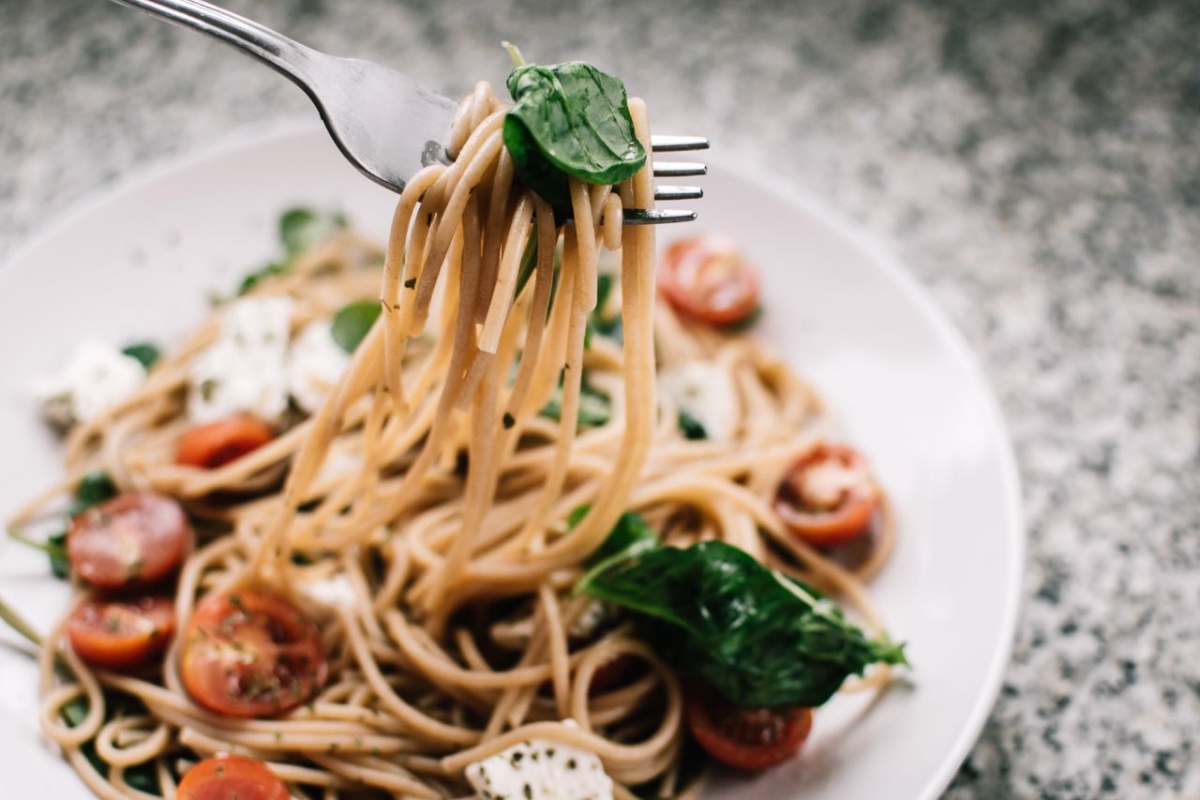
Officina Gastronomica Italiana represents a new chapter in modern Italian cuisine, where innovation and tradition are carefully balanced rather than placed in opposition. Instead of simply recreating classic dishes, this contemporary Italian restaurant reinterprets them, paying close attention to regional roots while exploring new techniques, textures, and presentations.
At the heart of this transformation is a deep respect for authentic Italian flavours. Officina focuses on high-quality seasonal ingredients, many of which are sourced from small Italian producers, and lets those ingredients speak clearly on the plate. Traditional flavour profiles—like the sweetness of sun-ripened tomatoes, the peppery bite of extra virgin olive oil, or the briny depth of Mediterranean seafood—are preserved, then elevated through precise cooking methods and thoughtful pairings.
Celebrating regional Italy on a single menu means taking your guests on a culinary journey from the Alps to the Mediterranean in just a few courses. An Italian regional tasting menu can highlight how dramatically flavours, techniques, and ingredients change as you move from the cuisine of Northern Italy down to the cuisine of Southern Italy.
A menu might open with Venetian classics from the lagoon, where seafood, polenta, and gentle, aromatic flavours dominate. Think marinated fish, creamy baccalà mantecato, or delicate risotti that showcase Venice’s historic ties to the spice routes. Moving slightly south and inland, Tuscan flavours shift the focus to simplicity and purity of ingredients: rustic breads, peppery extra-virgin olive oil, grilled meats, and slow-cooked beans.
Puglian cuisine brings the sun-drenched character of Southern Italy into the spotlight. Regional Italian dishes from this area often feature durum wheat pasta such as orecchiette, bitter greens like cime di rapa, and generous use of tomatoes, olives, and local cheeses. Finally, Sicilian specialities round out the journey with bold, layered flavours influenced by centuries of Greek, Arab, and Spanish presence. Citrus, pistachios, almonds, sardines, and sweet-and-sour notes appear in dishes that feel both familiar and exotic.
By thoughtfully sequencing Venetian classics, Tuscan flavours, Puglian cuisine, and Sicilian specialities, an Italian regional tasting menu helps diners appreciate the diversity of regional Italian dishes. It turns a single meal into a guided tour of Italy’s north-to-south culinary heritage, celebrating the distinct identity of each region while showing how they all contribute to the rich mosaic of Italian food.
Beyond Pizza and Pasta: Discovering Italy’s Unsung Specialities
When most people think of Italian food, pizza and pasta immediately spring to mind. Yet Italy’s culinary landscape is far richer and more varied, especially once you start exploring its lesser‑known Italian dishes that rarely leave their home regions. These are the foods that reveal how people really eat in their everyday lives: hearty regional stews, humble grains elevated to art, rustic Italian street food, and convivial Italian sharing plates designed for evenings with friends.
A good place to begin is with the country’s robust tradition of regional stews. In the north, slow‑cooked meats simmered with wine, herbs, and vegetables are a staple in colder months, often ladled over buttery polenta. Travel south and you’ll find tomato‑rich casseroles scented with garlic, wild greens, and sometimes seafood, reflecting the warmer climate and coastal influences. These dishes may not be as photogenic as a plate of spaghetti, but they speak volumes about the rhythm of Italian home cooking and the importance of eating with the seasons.
Polenta and risotto deserve special mention as two of Italy’s great grain‑based icons, often overshadowed abroad by pasta. Polenta, made from cornmeal, can be creamy and spoonable, served under game, mushrooms, or cheese, or cooled and grilled until crisp at the edges. Risotto, on the other hand, showcases the country’s rice‑growing heritage, especially in the Po Valley. Properly cooked, it is silky and gently flowing, flavored with everything from saffron and bone marrow in Milan to seafood along the coasts. Both polenta and risotto are canvases that allow local ingredients to shine and are central to many regional tables.
The Italian Aperitivo Ritual: Drinks, Small Plates and Social Culture
The Italian aperitivo is far more than a pre-dinner drink; it is a daily ritual that blends flavor, relaxation and connection. Originating in Northern Italy and now embraced nationwide, the aperitivo hour typically unfolds in the early evening, when people finish work and gather at bars and cafés to unwind. Central to this pre-dinner culture are balanced, appetite‑stimulating drinks and a spread of small bites designed to open the palate rather than satisfy full hunger.
Classic Italian cocktails are at the heart of the experience. The Negroni, with its mix of gin, vermouth and bitter Campari, is the quintessential aperitivo drink: strong yet measured, complex yet straightforward, and distinctly bitter to awaken the taste buds. Equally iconic is the Spritz, most often made with Aperol or Campari, prosecco and a splash of soda.
Beyond cocktails, many people prefer Italian wines by the glass for aperitivo. Crisp white wines, light reds and sparkling options like prosecco are carefully chosen for their freshness and food‑friendly character. Bars and enotecas often curate a rotating selection, encouraging guests to try regional specialties and discover new producers. This by‑the‑glass approach supports the casual, exploratory spirit of social dining during aperitivo, where no single drink dominates the table.
Food and drink pairing is an essential part of the ritual. Italian bar snacks, known as stuzzichini or cicchetti in some regions, range from simple olives, nuts and potato chips to small plates of cured meats, cheeses, crostini, focaccia, arancini and bite‑size fritters. Each item is designed to complement the bitterness of Italian cocktails and the acidity of local wines, creating a balanced interplay between sips and bites. In many cities, especially in the north, a generous buffet of Italian aperitivo snacks is included with the price of a drink, encouraging guests to nibble slowly and extend the moment.
Vegetarian, Vegan and Contemporary Lifestyles: A New Face of Italian Gastronomy
Many classic recipes are naturally meat‑free or easily adapted. Dishes like ribollita, pasta e fagioli, caponata, and simple tomato‑based pastas showcase how rich and satisfying vegetarian Italian dishes can be without feeling like compromises. Chefs are highlighting legumes, seasonal vegetables, extra‑virgin olive oil, and whole grains, weaving them into lighter Italian menus that still feel deeply rooted in regional traditions.
Vegan Italian options are expanding far beyond a plate of grilled vegetables. Traditional ingredients like ceci (chickpeas), lentils, farro, and polenta are being elevated, while plant‑based cheeses and meat alternatives are introduced carefully to respect texture and flavor. Vegan versions of pizza, gelato, and even classic pastries are now common in contemporary Italian bakeries and restaurants, allowing guests to enjoy beloved staples with plant‑based twists.
Lactose‑free choices are also gaining prominence. Many kitchens now offer lactose‑free or plant‑based milks for coffee, dairy‑free gelato, and pizzas topped with lactose‑free mozzarella or naturally dairy‑free condiments like pesto without cheese, hummus‑style spreads, or vegetable creams. This shift reflects a wider movement toward health‑conscious Italian food, where digestion, balance, and lighter preparations are valued alongside taste.
Conclusion
Officina Gastronomica Italiana reimagines traditional Italian dining for today’s health‑conscious and diverse guests, without losing the soul of the cuisine. Instead of treating vegetarian Italian dishes or vegan Italian options as afterthoughts, they are placed at the centre of the menu, drawing on Italy’s deep heritage of vegetable‑forward cooking.
Underpinning this approach is a conscious return to the principles of the Mediterranean diet. Officina’s lighter Italian menus highlight fresh vegetables, fruits, whole grains, pulses, quality olive oil, and lean proteins, offering all the pleasure of Italian cuisine with a focus on balance and wellbeing. Portions and preparations are designed to satisfy without heaviness, making it possible to enjoy multiple courses while still feeling energised.
The result is truly inclusive dining. Groups with mixed preferences and needs can share a table and explore a broad spectrum of flavours together, from classic favourites to innovative plant‑based creations. By marrying authentic taste with modern nutritional awareness, Officina Gastronomica Italiana has helped transform what we expect from Italian restaurants today: food that is joyful, generous, and accessible to all.
