



The Shift Toward Purposeful Modern Lifestyle Trends
In an increasingly connected yet often isolating world, the emphasis on social health and community has never been stronger. We’re witnessing a profound shift where individuals actively seek out meaningful connections and shared experiences. The statistic that 70% of people globally now see loneliness as an epidemic underscores this urgent need for belonging. This sentiment is driving the emergence of “third spaces” – environments outside of home and work designed for community and interaction. Think of hybrid hangouts like laundromat bars, which combine mundane tasks with social opportunities, or the resurgence of cozy bookstore cafes, offering a quiet yet communal atmosphere. Even community co-housing initiatives are gaining traction, reflecting a desire for shared living and mutual support.
This pursuit of connection extends to our physical well-being. Modern lifestyle trends in fitness and physical health are moving away from solitary gym routines towards more communal and holistic practices. Primal fitness, for instance, encourages natural movements, often incorporating outdoor elements and group activities. Pilates continues its ascent in popularity, celebrated for its focus on core strength, flexibility, and mindful movement. We’re also seeing a rise in specific practices like mobility stretches and neck hump exercises, indicating a greater awareness of functional movement and long-term physical health.
Beyond daily routines, fitness travel is becoming a significant trend. People are no longer content with passive vacations; they seek opportunities to integrate their wellness goals into their adventures. This means choosing destinations that offer expert-led training, recovery facilities, or the chance to learn new physical skills. In fact, 60% of consumers who traveled for health and wellness treatments in 2024 plan to continue doing so, viewing these trips as investments in their personal growth and well-being. For those looking to explore how different cultures approach physical activity and well-being, understanding Cultural travel lifestyle trends can provide valuable insights into integrating fitness with exploration. These experiences allow individuals to return home not just refreshed, but with new habits and a broadened perspective on health.
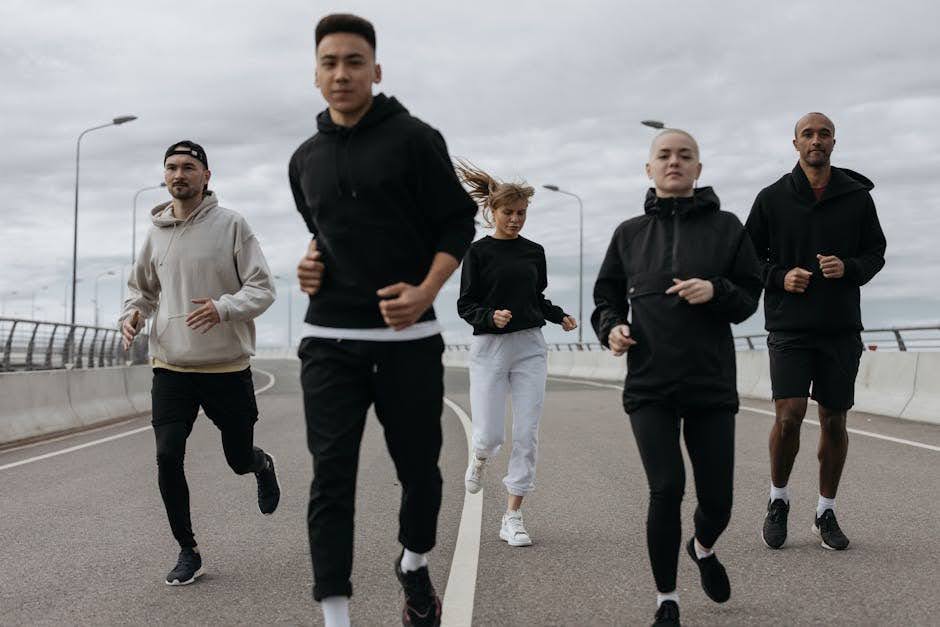
The rise of social health is intrinsically linked to the growth of community clubs. Run clubs, for example, have seen an astonishing 82% increase in searches, offering a low-pressure way to combine exercise with social interaction. Private wellness clubs are evolving into destinations for proactive self-care and milestone celebrations, serving as a “remedy to so many of the challenges we’re facing in the modern world,” as one expert suggests. Even niche groups like chess clubs and book clubs are flourishing, providing structured environments for in-person connection. This hunger for shared experiences is redefining what constitutes “luxury.” For Gen Z, 70% state that luxury brands no longer define status in the way they once did. Instead, meaningful engagement, shared experiences, and strong community ties are becoming the new markers of a rich life. Neighborhood involvement, from local events to shared initiatives, fosters a sense of belonging that is increasingly valued over material possessions.
Wellness Evolution: From Longevity to Joyspans

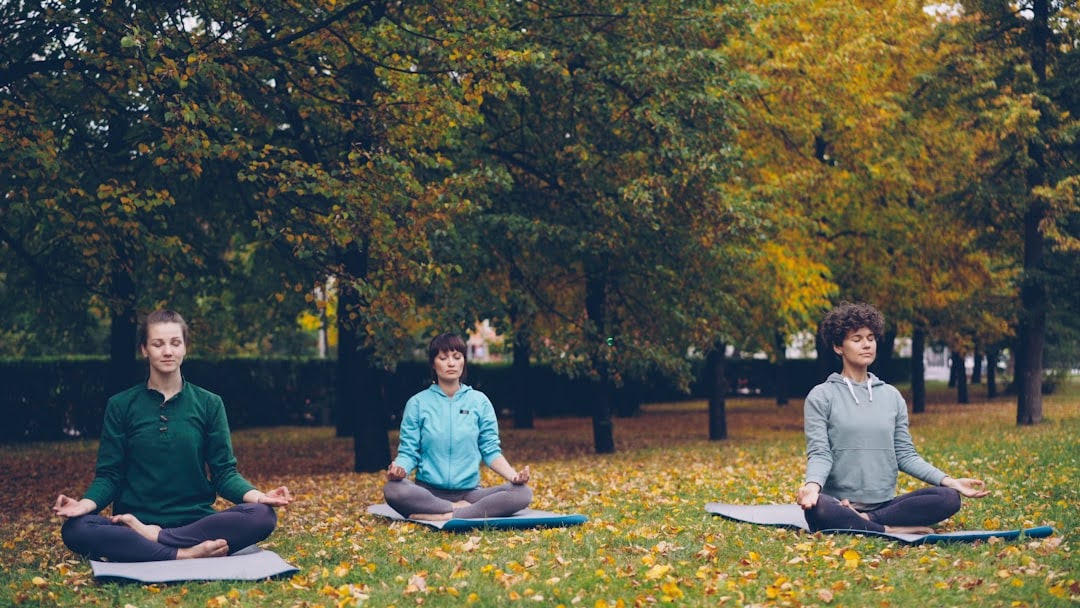
The concept of wellness is undergoing a significant transformation, shifting from merely extending lifespan to enhancing “Joyspans” – prioritizing joy, purpose, and quality of life over mere biological duration. This profound re-evaluation of what it means to live well is influencing every aspect of our daily routines. Mental health, in particular, has moved to the forefront, with resilience wellness becoming a critical focus. A staggering 48% of Gen Z and millennials now prioritize mental health, actively seeking strategies to build emotional fortitude and manage stress. Practices like mindfulness, meditation, and planned rest are no longer considered optional but essential components of a balanced life.
This emphasis on personalized well-being is heavily supported by advancements in health technology. Personalized health tech, from wearable devices to AI-powered diagnostics, is empowering individuals to take a proactive role in their health. Smartwatch or smart wristband ownership has surged to 37% in the UK/US, up from just 12% in 2015, demonstrating a widespread adoption of tools that track everything from sleep patterns and heart rate to activity levels and stress indicators. These devices offer a continuous stream of data, enabling tailored wellness plans and a deeper understanding of one’s own physiological responses.
Modern lifestyle trends in digital wellness
While technology offers immense benefits, there’s a growing recognition of the need for balance. Digital wellness has emerged as a critical modern lifestyle trend, focusing on managing our relationship with screens to prevent burnout and enhance overall well-being. This includes practices like digital detoxes, setting app limits, and creating tech-free zones in our homes. The goal is intentional technology use – leveraging digital tools for specific purposes without allowing them to dominate our attention. Research shows that people practicing digital detox strategies experience 23% better overall well-being and 12% improved productivity.
AI is also playing a transformative role, particularly in personalized nutrition. By analyzing individual data from wearables, genetic profiles, and dietary preferences, AI can create hyper-customized meal plans and dietary recommendations. This moves us beyond generic health advice to highly specific interventions designed for optimal health.
Here’s a comparison of how health tracking is evolving:
Feature Traditional Health Tracking Personalized Health Tracking (Modern) Data Source Doctor visits, self-reported logs, generic guidelines Wearable devices, AI analysis, genetic data, continuous monitoring Focus Reactive (addressing illness), general recommendations Proactive (prevention), individualized insights, optimization Engagement Periodic, often passive Continuous, active, data-driven self-management Outcomes General health improvements, symptom management Optimized energy, personalized nutrition, targeted longevity strategies Technology Role Minimal, mostly record-keeping Central to data collection, analysis, and personalized recommendations Transformative travel and experiential luxury
The desire for meaningful experiences extends far beyond daily routines, influencing our travel choices. Transformative travel is gaining momentum, with individuals seeking awe-inspiring experiences that lead to personal growth and worldview shifts. These are not just vacations; they are journeys designed to challenge, educate, and inspire. Skill-based vacations, like learning to surf in Costa Rica or attending an adult tennis camp, allow travelers to return with new proficiencies and a sense of accomplishment.
This pursuit of profound experiences is also redefining luxury. Experiential luxury prioritizes unique, personalized adventures over ostentatious material possessions. High-end wellness retreats are shifting towards extreme personalization, merging holistic and medical approaches with pre-arrival diagnostics to create truly tailored programs.
The ultimate expression of this wellness evolution is the focus on medical longevity. This trend moves beyond speculative anti-aging hacks to evidence-based therapies, supervised by physicians, aimed at maximizing years lived in good health and independence. Sleep, for instance, is now recognized as a core therapy for longevity. The market for longevity-focused ingredients like resveratrol, NMN, and NAD is predicted to see a 29.6% year-over-year growth for 2026, indicating a strong consumer interest in scientifically backed approaches to extending healthy life. This holistic and data-driven approach to wellness is a cornerstone of the modern lifestyle.
Intentional Spending and Sustainable Living

Our relationship with consumption is rapidly evolving, driven by a desire for greater intentionality and a commitment to sustainability. This shift is evident in how we spend our money, what we value, and how we design our homes and daily lives.
One fascinating trend is “Treatonomics,” where consumers, particularly Gen Z, are making intentional choices to indulge in small pleasures amidst economic challenges. Approximately 30% of Gen Z plan to spend more on small treats, whether it’s a gourmet coffee, a new book, or a special snack. This is often coupled with “micro-upgrades” – investing in higher-quality versions of everyday items that bring disproportionate joy or utility. This behavior reflects a broader re-evaluation of what constitutes luxury and satisfaction. Instead of grand, expensive purchases, people find joy and a sense of well-being in these smaller, more frequent indulgences. For a deeper dive into how these shifts impact personal financial decisions and overall well-being, exploring Financial modern lifestyle trends can offer valuable perspectives on managing resources in this evolving landscape.
This redefinition of luxury and success is profound. Traditional status symbols are giving way to values like financial independence, meaningful experiences, and a sense of purpose. We are collectively redefining what a “good life” means, prioritizing internal fulfillment over external validation.
Minimalism and the work-life balance shift
At the heart of intentional living is minimalism – a philosophy that encourages decluttering not just physical spaces, but also mental and digital clutter. It’s about focusing on what truly adds value and letting go of the rest. This aligns perfectly with the growing demand for a better work-life balance. Remote work and hybrid models have become the new standard, with 61% of employees preferring hybrid arrangements. This flexibility allows individuals to design their days around productivity and personal time, fostering a sense of autonomy and control. Remote workers, for instance, demonstrate 35% to 40% higher efficiency levels than traditional office workers, highlighting the benefits of this shift.
This flexibility also opens doors to multiple income streams and encourages the pursuit of hobbies and self-development. The focus is on simplifying life through time-saving hacks and intentional choices, allowing more space for what truly matters.
Home design and environmental responsibility
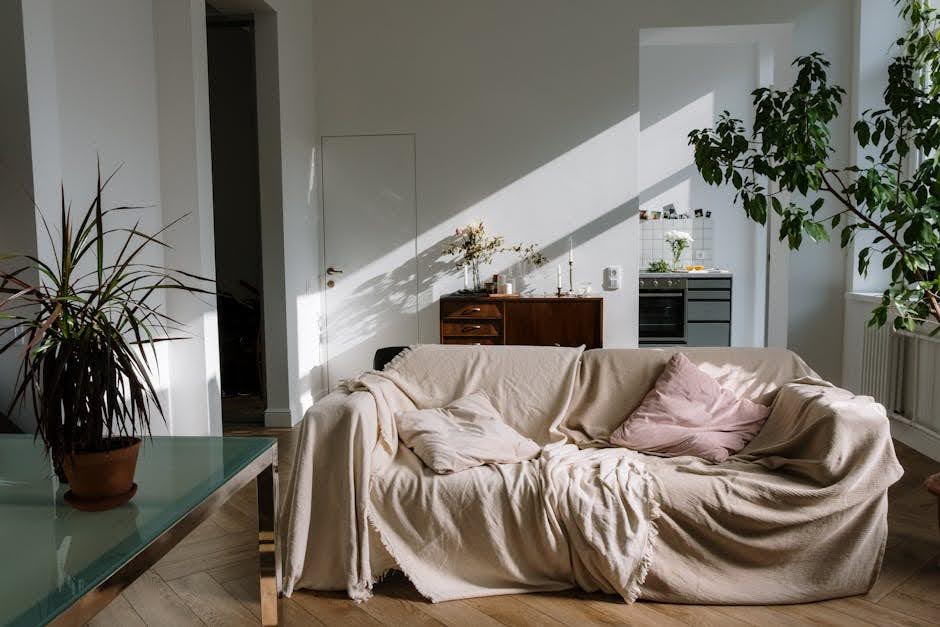
Our homes are increasingly reflecting these intentional and sustainable values. Modern home decor trends emphasize minimalist furniture, clean lines, and functional design, creating calm and clutter-free sanctuaries. The search interest for ‘modern home decor’ peaked at 89 in May 2025, indicating a strong consumer desire for these aesthetics. Beyond aesthetics, there’s a growing commitment to environmental responsibility. This includes investing in energy-efficient homes, adopting zero-waste practices, and choosing ethical brands. A significant 71% of consumers plan to invest more in sustainable wellness products made with ethical production standards, and 44% are shopping pre-owned items more frequently, supporting the circular economy.
This eco-conscious mindset extends to our food choices. Plant-based diets and flexitarianism continue to gain traction, driven by both health and environmental concerns. There’s also a rising demand for functional beverages, such as protein sodas and drinks infused with probiotics, reflecting a focus on gut health and convenient nutrition. Over 50% of Americans prioritize healthier eating, driving this demand for functional options. For those seeking practical ways to incorporate these healthy and quick options into a busy schedule, learning how to prepare a Quick modern healthy stir-fry can be an excellent starting point. These choices reveal a broader shift towards viewing food as fuel and medicine, aligning with a more holistic approach to health and sustainability.
Frequently Asked Questions about Modern Living
How are consumers redefining luxury in 2026?
Luxury in 2026 is undergoing a significant transformation, moving away from traditional markers of status defined by expensive brands and material possessions. Instead, consumers are redefining luxury through experiences, access, and sustainability. A key indicator is that 70% of Gen Z state that luxury brands no longer define status for them. They prioritize shared experiences, such as transformative travel or exclusive community club memberships, over ownership. Meaningful engagement, personal growth, and alignment with ethical and sustainable values are the new currencies of a luxurious and fulfilling life.
What role does digital detox play in modern health?
Digital detox plays a crucial role in modern health by helping individuals reclaim their attention, reduce screen fatigue, and improve overall well-being. In an age of constant connectivity, intentional breaks from digital devices are essential for mental clarity and stress reduction. Practitioners of digital detox strategies report 23% better overall well-being and 12% higher productivity. By setting app limits, creating tech-free zones, and practicing mindful technology use, individuals can prevent digital burnout, improve sleep quality, and foster deeper real-world connections. It’s about using technology purposefully, rather than being passively consumed by it.
Social health is rapidly becoming a top priority because of the widespread recognition of loneliness as a modern epidemic. With 70% of people globally acknowledging loneliness as a significant issue, the need for genuine human connection is more urgent than ever. Social health, which encompasses the quality of our relationships and our sense of belonging, is now understood as a vital component of overall physical and mental wellness. Community-centered living, hybrid hangouts, and the resurgence of various clubs (like run clubs and private wellness clubs) are direct responses to this need, providing essential opportunities for in-person interaction, shared experiences, and building supportive networks. These initiatives combat isolation and foster a sense of belonging, contributing significantly to individual and collective well-being.
Conclusion
The landscape of modern living is undergoing a profound and exciting transformation. The modern lifestyle trends shaping 2025-2026 reveal a collective shift towards deeper meaning, intentionality, and human-centered values. From prioritizing “Joyspans” and social health to embracing intentional spending and sustainable living, we are actively redefining success and fulfillment.
We’ve seen how wellness is evolving beyond mere physical health to encompass mental resilience and personalized, tech-driven approaches. Consumer spending is becoming more deliberate, with a focus on micro-upgrades and experiences over traditional luxury. Sustainability is no longer a niche concern but a fundamental aspect of daily choices, influencing everything from home design to food consumption. And perhaps most importantly, the hunger for genuine community and connection is reshaping our social fabric, offering antidotes to the pervasive issue of loneliness.
For individuals, aligning with these trends means making informed choices that resonate with personal values, fostering personal growth, and building a more balanced and fulfilling life. For brands and businesses, it presents an opportunity to innovate, connect authentically with consumers, and contribute to a more sustainable and joyful future. By understanding and embracing these shifts, we can all navigate the coming years with greater purpose and well-being.


