



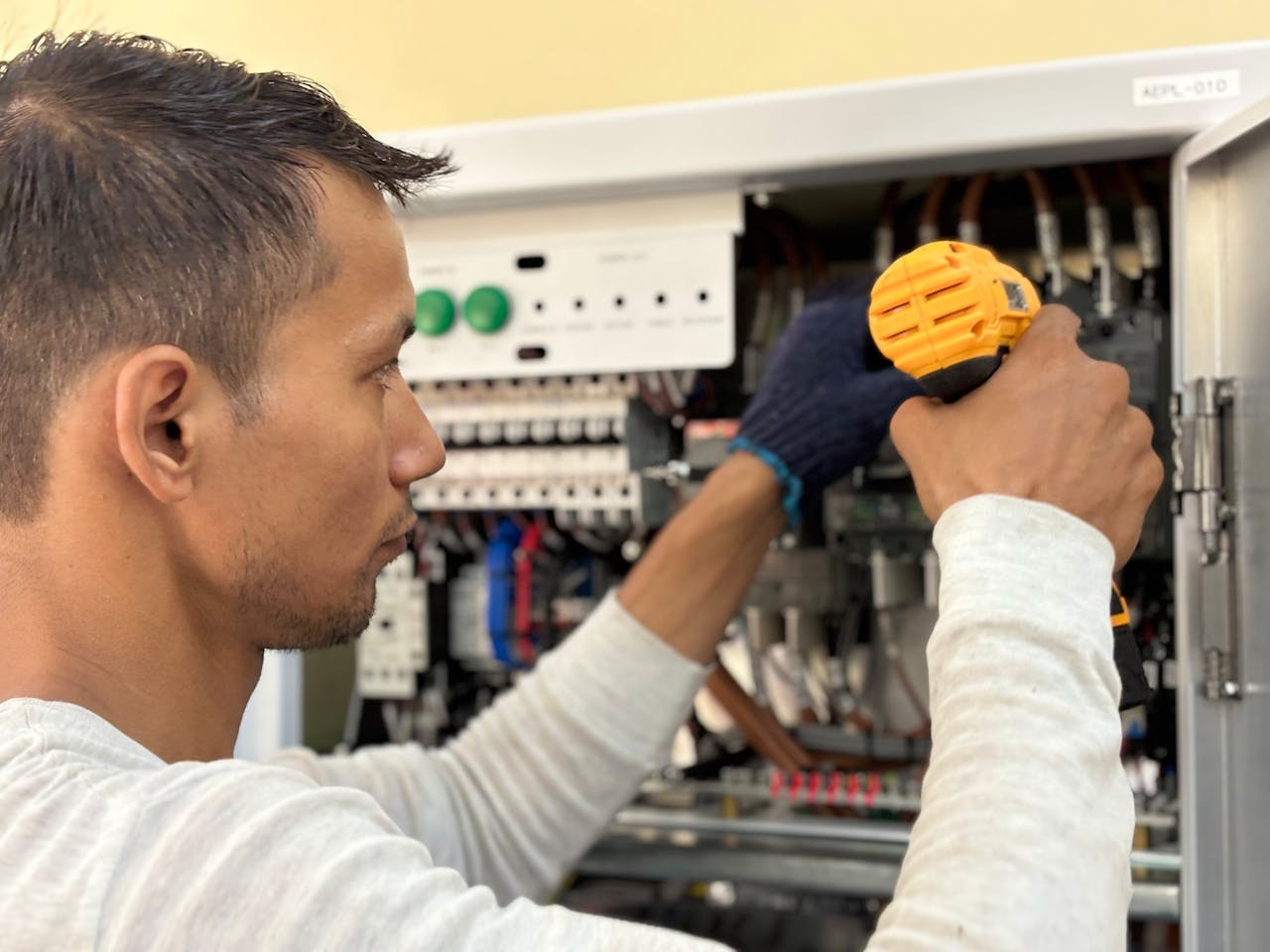
Embarking on a new project brings a host of decisions, especially when selecting electrical equipment that best fits your needs. A careful approach can make the difference between a venture running smoothly or encountering costly setbacks. Understanding the critical factors in equipment selection is the first step toward ensuring reliability, safety, and efficiency.
Whether you are handling a residential build or launching a complex industrial installation, having the right electrical components is essential. Today’s market offers a broad array of technologies, which can be overwhelming without a defined process in place. This guide clarifies the essential considerations so you can select equipment that meets your project’s requirements and regulatory standards.
Cost, safety, quality, and environmental suitability are just some of the key categories to weigh. Decisions you make now can impact performance, reduce downtime, and safeguard your team’s well-being. The process does not end with purchasing, as ongoing training and proper use are part of the equation as well.
Another important consideration is the specific machinery powering your operations, such as an electric motor, which must match both the workload and the project environment.
Understanding Project Requirements
Start by defining the specifics of your project. Knowing whether your plans center on residential, commercial, or industrial construction shapes your choices from the beginning. Project scope, key tasks such as wiring or installation, focus deadlines, and site logistics, like limited space or access routes, all inform your equipment selection.
This upfront clarity helps exclude mismatched options and ensures that recommended equipment will serve your workflow and fit the physical context where it will operate. Make time for planning so that project requirements guide your equipment list rather than the other way around.

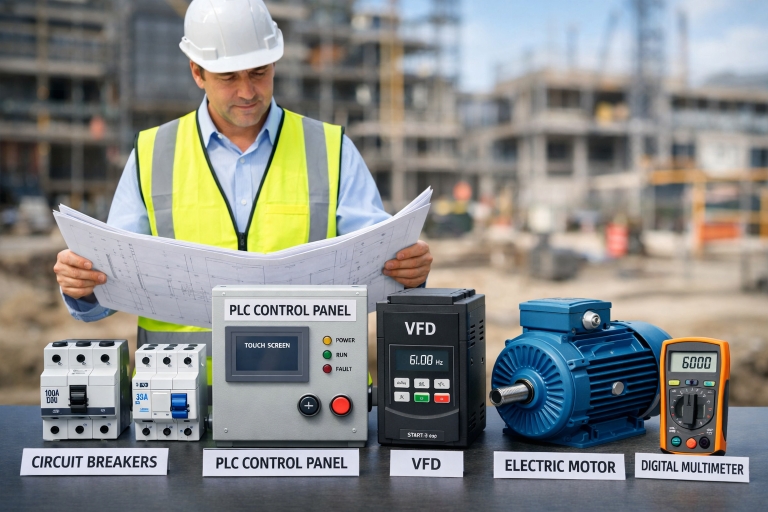
Evaluating Quality and Reliability
Prioritize equipment with established reliability. Look for products from well-known brands that offer clear certifications and strong warranties. Independent reviews and ratings from major industry sources, like UL (Underwriters Laboratories), help confirm that a piece of equipment meets expectations for stability and safety. Quality may sometimes come at a higher initial cost. Still, the savings in reduced maintenance, fewer breakdowns, and extended service life justify the investment in the long term.
Considering Environmental Conditions
Your choice of electrical equipment must reflect the environment in which it will function. Variables such as high humidity, fluctuating temperatures, dust, or exposure to corrosive chemicals can have a profound effect on performance and durability. Spec sheets often indicate whether products can withstand harsh conditions, but if in doubt, seek advice from technical experts or consult reference guides from organizations such as OSHA. This step can prevent premature failures or safety hazards down the road.
Ensuring Safety and Compliance
Meet all local, national, and international safety standards to minimize the risk of accidents, injuries, and future legal challenges. Look for equipment that carries relevant safety marks, such as UL in the United States, CSA in Canada, or CE in the European market. Confirm that key safety features, such as proper insulation, robust grounding, and overcurrent protection, are present in your chosen devices. These factors help ensure the well-being of anyone interacting with the equipment and support compliance with regulatory inspection requirements.
Assessing Power Consumption
Each piece of electrical equipment will add to the total load on a project’s power system. Calculate expected consumption levels early so that wiring and circuit design accommodate demand without overloading or overheating. Opt for energy-efficient components when possible to save on energy bills and lower your project’s environmental impact. Energy saving is not just good practice; it also aligns with sustainability goals and can be an important factor for project stakeholders.
Choosing Between Renting and Buying
For many projects, the decision between renting and buying comes down to how long the equipment will be in use and how often it is needed. Renting is suitable for short-term or specialized tasks, as it provides flexibility without a significant upfront investment. For longer projects or ongoing needs, buying ensures uninterrupted access and can be more cost-effective over time. Weigh the pros and cons based on budget, expected usage patterns, and maintenance considerations.
Prioritizing Safety Features
Electrical safety is non-negotiable, especially for work involving high voltages or complex installations. Seek equipment with comprehensive built-in safety protections such as automatic voltage sensing, non-contact voltage detection, and robust protection against electrical surges and faults. Make sure to select devices with a CAT IV safety rating appropriate to your operational voltage. Safe accessories, such as insulated test leads and arc-rated personal protective equipment, are vital. These features provide essential layers of protection for your crew.
- CAT IV safety ratings for high voltage scenarios
- Insulated and verified test leads
- PPE compatible with electrical hazard requirements
Factoring in Operator Skills and Training
Even the best equipment is only as effective as its operator. Assess your team’s experience and training levels, and coordinate the necessary instruction for new products or systems. Choose familiar equipment where possible and work with suppliers that provide technical support and on-site training. Investing in ongoing education helps keep everyone safe, maximizes productivity, and extends the lifespan of sensitive devices.
- Prioritize familiar brands and tools for your team
- Schedule expert-led training when introducing new tools
- Select vendor partners that support user education
Careful planning and knowledgeable selection of electrical equipment protect your investment, boost project efficiency, and maintain a high standard of safety for everyone involved.


