



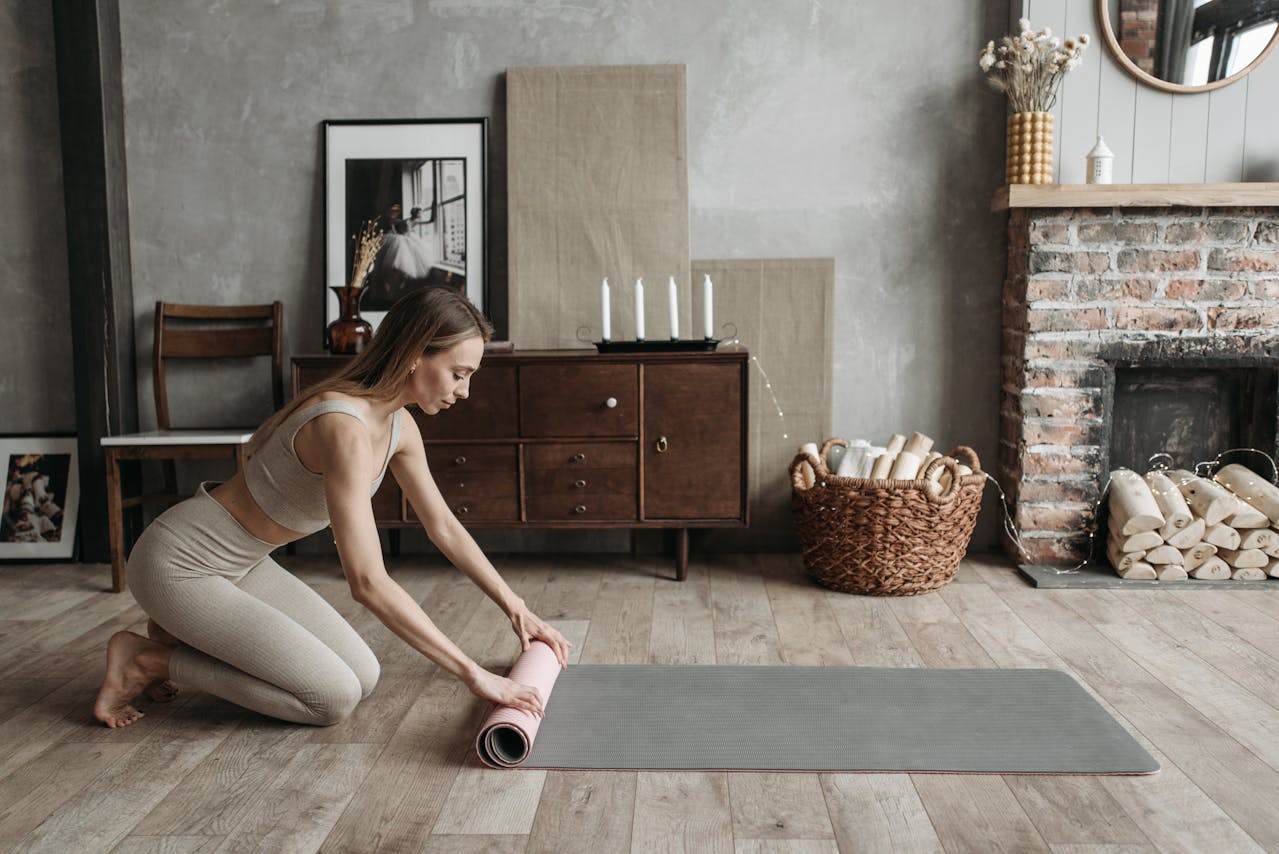
For health-conscious homeowners who keep feeling stuffy air, restless nights, or low-grade stress that won’t lift at home, the hardest part is realizing the problem may not be personal; it may be environmental. Many common home health challenges come from the spaces that should support recovery, focus, and calm, yet quietly drain energy day after day. Home remodeling for health reframes renovations as a way to reduce friction between daily life and the body’s needs. With the right approach, the home upgrades’ benefits can show up as improving indoor well-being.
How Your Home Environment Shapes Your Health
At its core, healthy remodeling starts with a simple truth: your home can either support your body or strain it. Environmental psychology describes the interaction between humans and the spaces around them, so changes in layout, light, sound, and materials can change how you feel and function.
This matters because small environmental stressors add up. Glare can trigger headaches, cluttered pathways can raise tension, and poor acoustics can keep your nervous system on alert. Wellness-focused design is growing because it can turn everyday routines into easier, healthier ones, reflected in wellness real estate.
Think of your home like a phone’s settings. If brightness, notifications, and background apps are mismanaged, performance drops. Remodeling is the “settings reset” that quiets noise, boosts daylight, and swaps irritating inputs for soothing ones.
With the concept clear, you can map improvements to goals like sleep, calm, fitness, and fresh air.
7 Remodel Projects That Boost Wellness (Pick 1 to Start)
Your home shapes your habits, light, sound, air, and layout can either support calm and energy or quietly drain them. Pick one project that matches your biggest health goal right now, and keep the scope small enough to finish in a weekend or two.
- Carve out a micro meditation space: Choose one low-traffic corner (even 3′ x 5′) and make it visually “quiet” with a solid-color wall, a small shelf, and hidden cord management. Add a dimmable warm light and a soft surface (rug or cushion) so your brain learns “this spot = downshift.” If noise is your main stress trigger, start with a door sweep and weatherstripping to reduce sound leaks.
- Upgrade indoor air quality from the inside out: Start by sealing obvious air leaks (around windows/doors) and fixing any moisture issues under sinks or in bathrooms, humidity and stale air can undermine comfort fast. Swap to low/zero-VOC paints and adhesives during any refresh, and use a strong bathroom fan timer so showers don’t become all-day dampness. If you’re doing HVAC work anyway, ask about higher-efficiency filtration and balanced ventilation so fresh air doesn’t rely on “opening a window.”
- Add natural light without losing privacy: Clean “light pathways” first, trim outdoor shrubs blocking windows, use lighter wall paint, and replace heavy curtains with adjustable shades. For a bigger impact, consider a larger window, a solar tube, or a skylight in a dark hallway or kitchen so daytime tasks feel easier and more upbeat. If glare is the problem (screens, TV, home office), add shades that diffuse light rather than darkening the room.
- Create a home gym corner that actually gets used: Pick a spot you already pass daily, bedroom edge, garage wall, or living room nook, and reserve enough space to fully extend your arms and step back safely. Add a mirror (form feedback), bright lighting (energy), and a small storage rail so equipment stays “one-step ready.” The $11.84 billion home fitness equipment market estimate for 2026 reflects how common at-home setups have become, and the simplest ones tend to be the most consistent.
- Make the bedroom sleep-friendly with sound and light control: Aim for “cave-like” conditions at night: blackout shades or lined curtains, warmer bedside lighting, and minimal indicator lights from electronics. Reduce noise with a solid-core door, thicker rugs, or acoustic panels behind the headboard wall if street sound is waking you. If your layout allows, move work gear out of the bedroom so the space cues recovery instead of productivity.
- Build a stress-reducing entryway reset zone: Environmental psychology is real in daily life, your front door can be a buffer between the outside world and your nervous system. Add a bench, a closed cabinet for clutter, and a hook rail so bags and coats don’t spill into your living space. Good lighting here matters: bright and clear for mornings, softer for evenings, so your body gets the right “start/stop” signals.
- Turn outdoor space into a daily recovery habit: Even a small patio can become a “movement + calm” zone with a flat walking path, a chair you’ll actually sit in, and outdoor lighting that feels safe after sunset. Add shade (umbrella or pergola) and a simple wind/privacy screen so you use it more days of the year. If you plan electrical or hardscaping, map it early; outdoor projects are where permits and trades coordination can matter.
Choose one project, define what “done” looks like, and write down your must-haves versus nice-to-haves so it’s easier to price the work, compare pros, and pick a funding approach confidently.
Common Questions About Health-Boosting Remodels
If you’re feeling stressed about decisions and costs, these answers can help.
Q: What are the most effective home remodel projects to reduce stress and promote relaxation?
A: Start with the smallest change that improves your daily routine, like sound reduction in one room, softer lighting, or a dedicated calm corner. Choose a clear “done” definition so the project ends cleanly instead of lingering. A simple plan with must-haves and a strict stop point lowers overwhelm.
Q: How can improving indoor air quality through home upgrades impact overall health and well-being?
A: Cleaner air can reduce irritation and help you feel more comfortable, especially if dust, odors, or humidity stress you out. Prioritize moisture fixes, better ventilation in bathrooms and kitchens, and low-VOC materials when painting or replacing flooring. During work, ask for dust control steps like plastic barriers and a daily cleanup routine.
Q: What design changes can make a bedroom more sleep-friendly and improve rest?
A: Focus on darkness, quiet, and cooler-feeling airflow by adding blackout window coverings, sealing light leaks, and reducing outside noise. Remove work cues by relocating chargers, screens, or a desk if possible. Keep controls simple, like one bedside switch for warm lighting.
Q: How do I choose reliable tradespeople to ensure my health-focused remodel project goes smoothly?
A: Ask for license and insurance details, then request a written scope that includes ventilation, dust containment, and product choices. Look for clear communication habits like on-time estimates, change-order rules, and a realistic timeline. Trust the pro who explains tradeoffs calmly rather than pressuring quick decisions.
Q: What financial options should I consider if I want to remodel my home to boost health but worry about covering the costs?
A: Price your “minimum healthy version” first, then add upgrades only after you know the baseline fits your budget. The cost to remodel can vary widely, so get multiple itemized quotes and build a buffer for surprises. Options may include saving in phases, using a home equity route, or considering a larger mortgage refinance for major, long-term improvements, including jumbo refinance.
Small, steady upgrades can create a home that supports your body and your peace of mind.
Finish-Strong Wellness Remodel Checklist
To stay focused and calm:
This health-focused remodeling checklist turns big goals into simple steps you can track, whether you are improving sleep, air quality, or daily comfort with smart-home tweaks. It keeps decisions clearer, budgets tighter, and results easier to verify, especially since 77% of adults over 50 want to age in place.
✔ Define your “minimum healthy version” and lock a stop point
✔ Review moisture sources and schedule ventilation upgrades for kitchens and baths
✔ Choose low-VOC paints, sealants, and flooring for fewer lingering odors
✔ Set dust-control rules for crews: barriers, HEPA vacuuming, daily cleanup
✔ Map sleep supports: blackout coverage, quieting, cooler airflow, simple bedside lighting
✔ Confirm natural light improvements with adjustable shades and glare control
✔ Track progress weekly in a notes app with photos and punch-list items
Check off one item today, then let momentum do the heavy lifting.
Start Small Home Upgrades That Support Everyday Health
It’s easy to feel stuck when your home looks fine on the surface, yet everyday air, light, noise, and clutter quietly drain energy and mood. The path forward is a wellness-first remodeling mindset: use the checklist to choose upgrades that support how the space feels and functions, not just how it looks. With time, the benefits of healthy home upgrades stack up, better sleep, steadier focus, fewer irritations, and become long-term health improvement strategies you can live with. Healthy remodeling turns your home into a daily support system. Choose one achievable project this month and schedule the first small step. That’s how encouraging wellness at home builds resilience for work, relationships, and the seasons ahead.


