



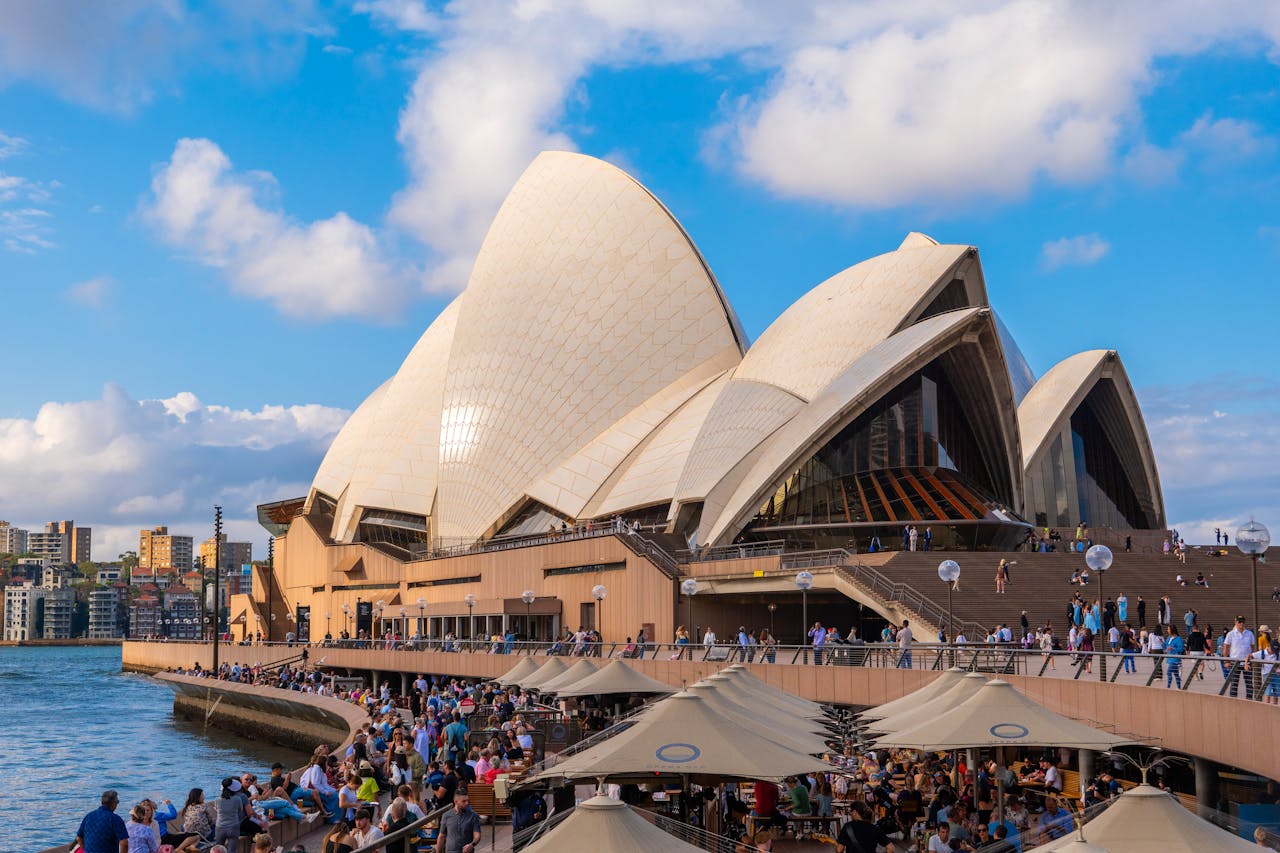
Australians have always placed a high premium on lifestyle. Whether it is renovating a family home to include a new outdoor entertaining area, investing in a reliable new vehicle for coastal road trips, or funding an overdue overseas holiday, the desire for an elevated standard of living is a constant driver of consumer spending. However, the current economic landscape demands a far more critical approach to how these lifestyle upgrades are funded. With shifting living costs, varied market dynamics, and a complex economic environment, understanding the real long-term price of borrowing has never been more crucial for household financial stability. Today, a poorly planned financing decision can easily turn a dream purchase into a long-term economic burden that impacts a family for years to come.
Taking Control with Structured Borrowing
To avoid the steep and compounding costs of spontaneous credit, financially savvy consumers are shifting toward more structured borrowing methods. Personal loans often present a much more manageable alternative because they come with fixed repayment timelines and generally lower interest rates. This structured approach forces a disciplined habit of clearing debt over a set period, preventing a one-off lifestyle purchase from lingering as a permanent financial hurdle. Knowing exactly when a debt will be fully repaid offers immense peace of mind.
The key to successfully managing any new credit is accurate forecasting before the application is even submitted. Borrowers need to know exactly how a new monthly commitment will impact their existing household budget over the next three to five years. Utilising digital tools, such as the personal loan repayment calculators provided by institutions like ING Australia, allows consumers to model different loan terms, interest rates, and principal amounts. By visualising the exact monthly obligations and the total interest payable over the life of the loan, individuals can make highly objective decisions about whether a lifestyle upgrade is genuinely affordable within their current means.
The Hidden Trap of Convenience Credit
When the urge for a lifestyle upgrade strikes, many consumers instinctively turn to the most accessible funding source available. Often, this means relying on revolving credit facilities. While tapping a plastic card is incredibly convenient for spontaneous purchases, it frequently leads to expensive debt traps if the balance is not cleared immediately. The reliance on this type of funding is substantial across the nation, and the associated costs add up rapidly when ignored.
According to the latest Australian Bureau of Statistics lending indicators, household borrowing trends continually shift as consumers navigate high interest environments and varied lending options. While credit cards offer immediate funding, the Reserve Bank of Australia consistently notes that standard credit card interest rates can hover around twenty percent. Paying such high interest on a kitchen renovation or a luxury holiday drastically inflates the final price tag of that lifestyle upgrade, stripping away the initial value of the investment and leaving the consumer paying significantly more than the original sticker price.
Strategic Financial Planning for Major Purchases
Before committing to any form of lifestyle financing, Australian consumers should adopt a strategic mindset. Transitioning from spontaneous spending to calculated investment requires a few fundamental practices that protect household wealth. Taking a step back to evaluate the broader picture is essential for long-term prosperity, especially when household budgets are already stretched by everyday inflationary pressures.
Here are several vital strategies for managing large lifestyle purchases effectively:
- Assess the total cost of ownership: Look beyond the initial retail price. For a vehicle, factor in ongoing insurance premiums, regular maintenance, registration fees, and fuel. For a home renovation, include a healthy contingency budget for unexpected structural issues or material price increases.
- Model multiple borrowing scenarios: Do not settle for the first credit option presented to you. Compare how different interest rates and loan durations will alter your total repayment amount over time to find the most cost-effective solution.
- Maintain an emergency buffer: Ensure that taking on a new loan repayment does not drain your monthly safety net. You must still be able to cover unexpected medical bills, urgent home repairs, or sudden income changes without relying on further debt.
- Prioritise fixed terms over revolving credit: Opting for a funding method with a clear, definitive end date significantly reduces the temptation to continually add to your debt pile.
Ultimately, enhancing your lifestyle should bring joy and comfort, rather than anxiety and financial stress. By acknowledging the high costs associated with convenience credit and taking full advantage of structured financing tools, Australian consumers can confidently invest in their futures. Proper planning ensures that tomorrow’s financial security is not sacrificed for today’s lifestyle upgrades, allowing households to thrive in any economic climate.


