



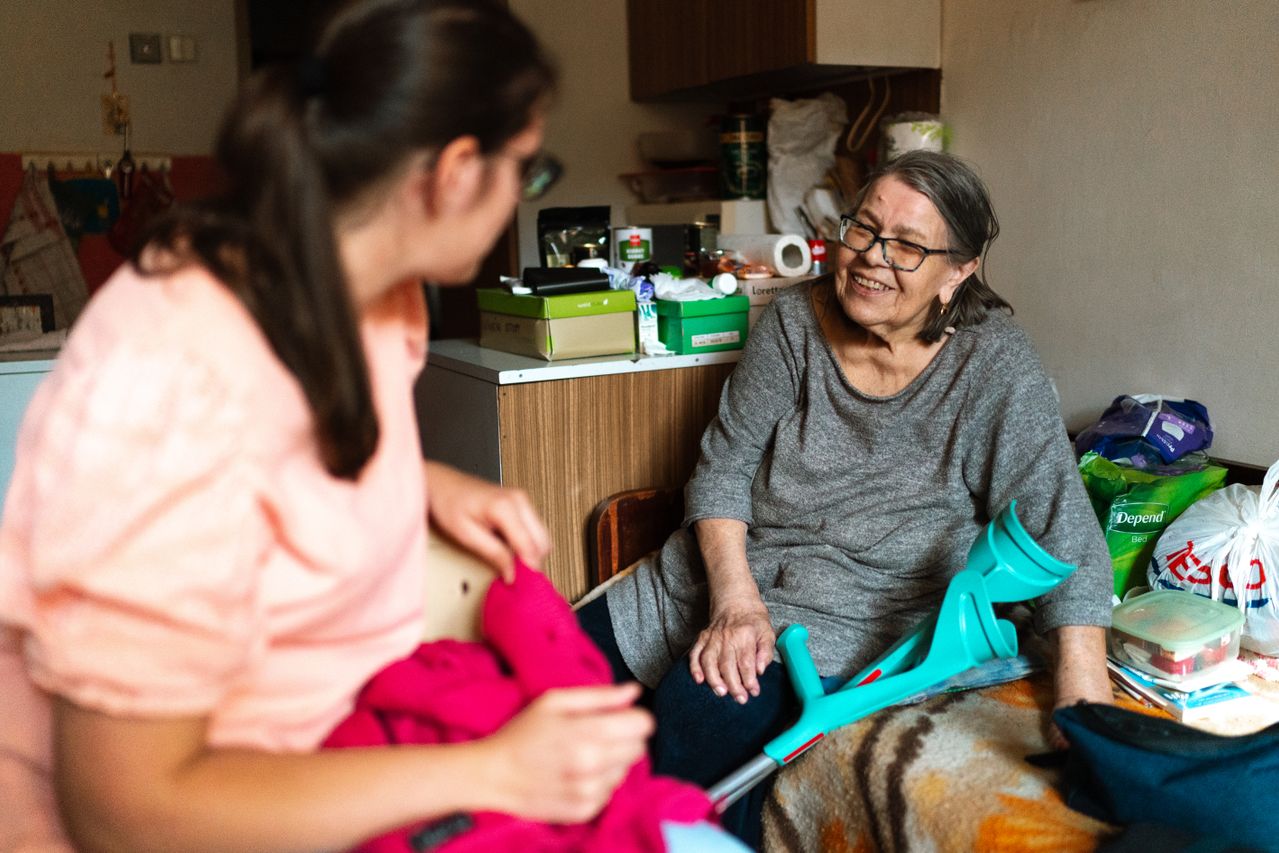
It’s rarely one big moment that signals a parent needs support. It’s usually small things adding up: a missed medicine dose here, a stumble on the stairs there, a fridge that’s suddenly empty more often than not. For families in Gurgaon, where long work hours and longer commutes already eat into the day, catching these signs early makes a real difference. Here’s what to watch for, and when it’s time to bring in extra support.
Signs Worth Paying Attention To
A parent might not say it directly, but their daily habits usually give it away first. In a city like Gurgaon, where many seniors live in gated high-rises with little contact with neighbours, these changes are easy to miss unless someone’s actually looking. Some common signs include:
- Skipping meals or noticeable weight loss
- Missed medications or confusion about dosage timing
- Difficulty getting up from a chair or climbing stairs
- A messier home than usual, or laundry piling up
- Bruises from falls that weren’t mentioned
- Withdrawing from calls, visits, or regular routines
One sign on its own might not mean much. A few of them together, though, usually point to a real need for a care taker for home, someone who can catch these changes early instead of waiting for a crisis.
Why This Shows Up Differently in Gurgaon
Gurgaon’s pace makes this harder to catch early. Many working professionals here leave for Cyber City, Udyog Vihar, or the Golf Course Road corridor before 8 am and return well after dark, leaving elderly parents alone for most of the day.
High-rise societies add another layer to this. A parent living on the tenth floor of a tower in Sector 56 or DLF Phase 4 depends entirely on a working lift and a working phone to reach help. If either fails, even a small problem, like a slip in the bathroom, can turn serious quickly before anyone finds out.
Why Every Minute Counts in Gurgaon’s Traffic
Gurgaon’s roads don’t make emergencies easier. A call for help during peak hours near NH-48 or the Sohna Road stretch can mean an ambulance or family member is stuck in traffic for 30 minutes or more. A caretaker already present at home removes that gap entirely, since the first response doesn’t depend on beating the city’s traffic to get there.
What a Caretaker Actually Helps With
Once the signs are clear, a caretaker’s role usually covers a mix of support:
| Area | What it Looks Like |
| Daily activities | Help with bathing, dressing, and meals |
| Health monitoring | Medication reminders, basic vitals checks |
| Mobility | Support with walking, stairs, or getting up safely |
| Companionship | Regular conversation and presence through the day |
| Emergencies | Quick response if something goes wrong |
This kind of support doesn’t need to start round the clock. Many families begin with a few hours a day and adjust as needs change.
Choosing Between a Few Hours and Full-Time Support
Not every parent needs the same level of care, and it’s worth being honest about where things stand rather than assuming the worst, especially for parents managing alone across Gurgaon’s spread-out sectors. A useful way to think about it:
- Occasional forgetfulness or slower movement → a few hours of daily support
- Frequent falls, memory issues, or chronic illness → full-time or live-in care
- Recovery after surgery or hospitalisation → temporary but intensive support
Starting smaller and adjusting later is often easier than committing to full-time care right away.
Getting the Right Support in Gurgaon
Reliable elder care services in Gurgaon usually offer flexibility here, since every household’s situation looks a little different. Before choosing one, it helps to check:
- Background verification of the caretaker
- Basic training in elderly care and first aid
- Experience with specific conditions, like dementia or diabetes
- Clear communication with family, especially during emergencies
- Flexible hours that can scale up if the parent’s needs change
Given how spread out Gurgaon is, from Sohna Road to New Gurgaon, choosing a service familiar with the specific neighbourhood also helps, since response time during an emergency matters more than it seems on paper.
Final Thoughts
Ageing doesn’t always announce itself clearly. The small signs: missed meals, quiet falls, a parent who seems more tired than usual, are often the first real clues. Paying attention to them early and bringing in the right support before things escalate is usually what keeps a parent safe and comfortable at home for longer.
Disclaimer: This article is for general information and isn’t medical advice. Please consult a qualified doctor for any specific health concerns, and choose caretaker services only after proper background checks and verification.


