

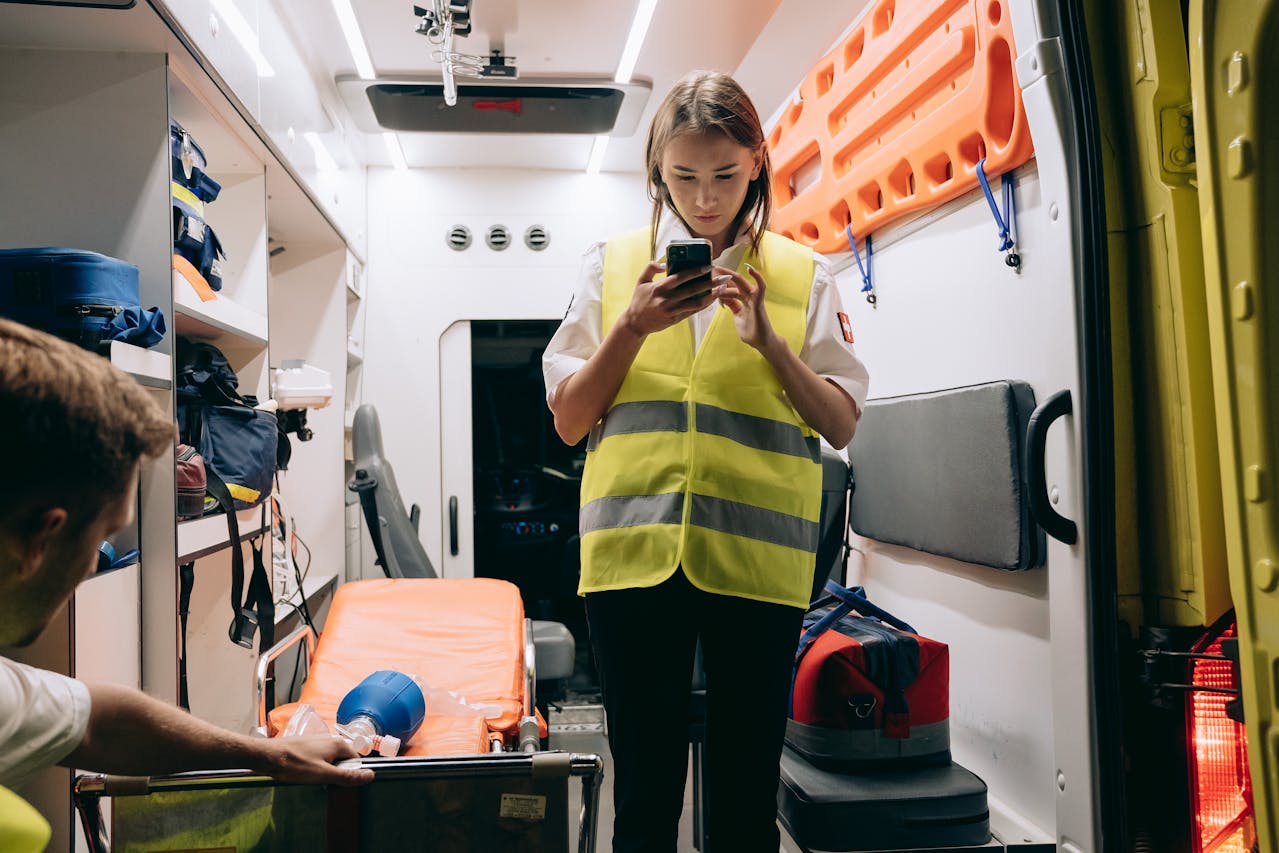
Emergency response has undergone a significant transformation in recent years, largely due to the rise of mobile technology. In the past, organizations relied heavily on fixed communication systems, paper-based protocols, and delayed reporting methods. Today, mobile solutions are redefining how emergencies are managed by offering faster communication, real-time updates, and greater accessibility.
The Evolution of Emergency Response Technology
Emergency response systems have evolved alongside technological advancements. Early systems were limited to alarms, radios, and centralized control rooms, often requiring physical presence to access vital information. While effective for their time, these systems lacked flexibility and speed. In modern environments, having access to tools like an incident response app for buildings allows teams to respond more efficiently and effectively. These mobile platforms put essential information and communication tools directly into the hands of those who need them most, improving both speed and coordination during critical moments.
With the introduction of smartphones and mobile applications, emergency response has become far more dynamic. Mobile solutions allow responders to access plans, communicate with teams, and receive updates regardless of their location. This shift has eliminated many of the delays associated with traditional systems and has created a more agile approach to managing emergencies.
Instant Communication When It Matters Most
One of the most important benefits of mobile solutions is instant communication. During an emergency, every second counts, and delays can have serious consequences. Mobile apps enable immediate alerts to be sent to individuals or groups, ensuring that everyone is informed at the same time.
These alerts can include detailed instructions, not just warnings. For example, instead of a generic alarm, users might receive step-by-step guidance tailored to the specific situation. This clarity reduces confusion and helps people take the right actions quickly.
Additionally, two-way communication allows users to report their status or share important information, creating a more interactive and responsive system.
Improved Coordination Across Teams
Emergencies rarely involve just one person or team. Coordinating multiple groups, such as security personnel, building management, and external responders, can be challenging without the right tools.
Mobile solutions provide a centralized platform where all parties can communicate and collaborate. Updates can be shared instantly, tasks can be assigned, and progress can be tracked in real time. This level of coordination ensures that everyone is working together efficiently and reduces the risk of miscommunication.
For organizations with multiple buildings or large campuses, mobile tools make it easier to manage incidents across different locations simultaneously.
Real-Time Access to Critical Information
Access to accurate information is essential during an emergency. Mobile apps allow users to view important data such as building layouts, evacuation routes, and emergency procedures directly from their devices.
This immediate access eliminates the need to search for physical documents or rely on memory. Responders can quickly understand the situation and make informed decisions based on up-to-date information.
Some systems also allow for live updates, ensuring that users always have the most current details as the situation evolves.
Enhanced Situational Awareness
Situational awareness is a key factor in effective emergency response. Mobile solutions provide tools that help users understand what is happening in real time.
Features such as live updates, location tracking, and visual mapping give responders a clearer picture of the situation. This allows them to identify risks, allocate resources, and adjust their strategies as needed.
By improving situational awareness, mobile apps help reduce uncertainty and enable faster, more confident decision-making.
Digital Accountability and Safety Tracking
Knowing who is safe and who may still be at risk is critical during any emergency. Traditional methods of tracking people, such as manual roll calls, can be slow and unreliable.
Mobile solutions offer digital accountability features that allow individuals to check in quickly using their devices. This information is then compiled in real time, giving coordinators an accurate overview of everyone’s status.
This not only speeds up the process but also helps ensure that no one is overlooked. In large organizations, this level of accuracy can make a significant difference in response efforts.
Reliability in Challenging Conditions
A common concern with mobile technology is its dependence on connectivity. However, many modern emergency response apps are designed to function even when networks are disrupted.
Offline capabilities allow users to access critical information and continue essential tasks without an active connection. Once connectivity is restored, data is automatically updated and synchronized.
This ensures that mobile solutions remain reliable even in the most challenging circumstances, providing consistent support when it is needed most.
Integration with Existing Systems
Mobile emergency solutions do not operate in isolation. They can be integrated with other systems such as access control, fire alarms, and communication platforms.
This integration creates a more comprehensive approach to emergency management. For example, data from access systems can help identify who is in a building, while alarm systems can trigger automatic alerts within the mobile app.
By connecting different systems, organizations can streamline their processes and ensure that all relevant information is easily accessible.
Supporting Training and Preparedness
Mobile solutions are not only useful during emergencies; they also play a valuable role in preparation and training. Many apps include features that allow users to review procedures, participate in drills, and stay informed about safety protocols.
This ongoing access to information helps reinforce best practices and ensures that individuals are better prepared when an actual emergency occurs.
Regular training through mobile platforms also helps build confidence, making it easier for people to respond effectively under pressure.
Data Collection and Continuous Improvement
After an emergency, it is important to review what happened and identify areas for improvement. Mobile solutions automatically collect data throughout the incident, including timelines, actions taken, and communication records.
This information can be used to analyze performance, update procedures, and improve future responses. It also supports compliance by providing detailed documentation of how the situation was handled.
By enabling continuous improvement, mobile tools help organizations strengthen their overall safety strategies.
Empowering Individuals Through Technology
One of the most impactful aspects of mobile emergency solutions is how they empower individuals. By providing clear instructions and easy access to information, these tools give people the confidence to act quickly and appropriately.
In stressful situations, having guidance readily available can make a significant difference. Mobile apps reduce uncertainty and help individuals feel more in control, which can lead to better outcomes for everyone involved.
This sense of empowerment also encourages greater engagement with safety initiatives, creating a more prepared and resilient environment.
The Future of Mobile Emergency Solutions
As technology continues to evolve, mobile emergency solutions are expected to become even more advanced. Innovations such as artificial intelligence and predictive analytics will enhance the ability to anticipate and respond to potential risks.
Integration with smart building technologies and connected devices will create more responsive environments, where systems can automatically detect issues and alert users.
These advancements will further improve efficiency, accuracy, and overall effectiveness in emergency response.
To Sum Up
The rise of mobile solutions in emergency response has transformed the way organizations approach safety and crisis management. By enabling instant communication, improving coordination, and providing real-time access to critical information, mobile tools have become an essential part of modern emergency strategies.
As these technologies continue to develop, their role will only grow, helping organizations create safer environments and respond more effectively to any situation.
