

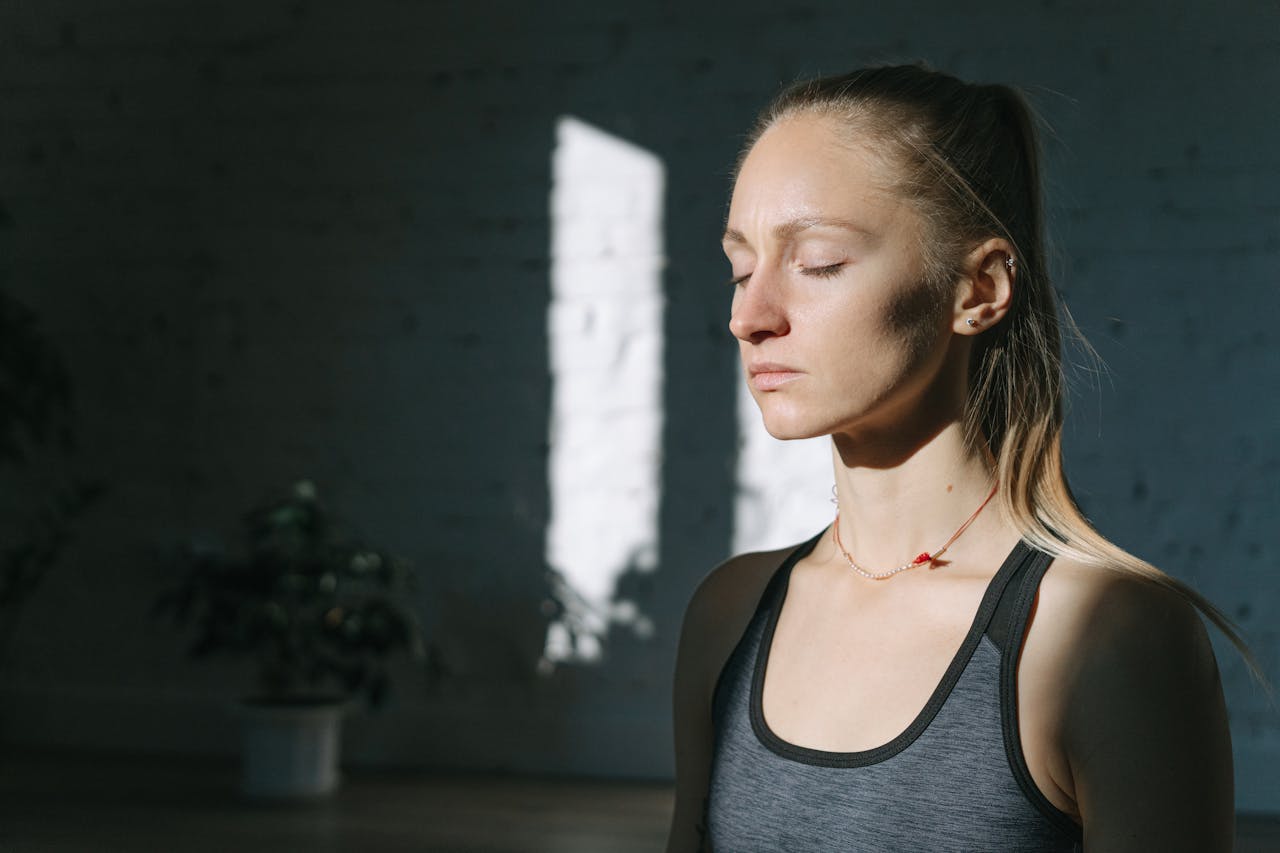
People often talk about mindfulness as if it were a soft skill. It gets described as calming, gentle, or relaxing, which is not exactly wrong, but it misses something important. Mindfulness is also a discipline. It asks you to show up on purpose, pay attention on purpose, and return your attention on purpose when it drifts. That is not passive. It is trained behavior.
You can see this most clearly when life feels noisy. Someone exploring personal loan debt relief may be looking for financial answers, but they are often also dealing with stress, distraction, and mental overload. In moments like that, mindfulness is not just about feeling peaceful. It can become a structured way to regain focus, reduce reactivity, and make steadier decisions under pressure.
That is why it helps to think of mindfulness less like a mood and more like a practice plan. It is closer to physical training than people realize. You are building the ability to notice where your mind goes, guide it back, and do that repeatedly without turning every lapse into a personal failure. Over time, that repetition changes how you respond to stress, discomfort, and distraction.
Discipline Is Not the Opposite of Calm
A lot of people hear the word discipline and picture pressure, harshness, or rigid self control. But healthy discipline is really about structure. It is a way of creating conditions that make growth more likely.
Mindfulness fits that definition well. When you practice it regularly, you are not waiting around for calm to magically appear. You are building a routine that teaches your mind how to settle, observe, and return. The National Center for Complementary and Integrative Health explains on its page about mindfulness meditation and its practical use that mindfulness practices are used to support awareness and attention in a very deliberate way.
That deliberate quality matters. Mindfulness is not just about noticing your thoughts. It is about training your relationship to them.
Repetition Is Where the Strength Comes From
If mindfulness really is a disciplined practice, then repetition is what gives it power.
One deep breathing session during a stressful day can help, sure. But the larger benefit comes from practicing often enough that your brain starts recognizing the pattern. Sit down. Notice the breath. Get distracted. Return. Notice tension. Return. Notice judgment. Return. Over and over, you strengthen the act of returning.
That is why mindfulness is often compared to exercise. The point is not that you perform perfectly. The point is that you repeat the basic motion enough times that it becomes more available to you when you need it.
The American Psychological Association discusses how mindfulness builds awareness and supports self regulation in ways that line up with this idea. The practice is not about eliminating thought. It is about developing steadier attention and a different response to what is happening inside your mind.
Structure Helps More Than Inspiration
One reason people struggle with mindfulness is that they wait to feel inspired. They assume they will practice when they feel overwhelmed enough to need it or peaceful enough to enjoy it. But discipline usually works better than inspiration.
A simple routine matters more than a dramatic one. Five minutes every morning can do more for your focus than one long session every few weeks. A short pause before starting work can be more useful than hoping you will remember to be mindful in the middle of a stressful moment.
This is where mindfulness becomes practical. You are not trying to become a different person overnight. You are creating repeatable conditions. Same chair. Same time. Same breathing pattern. Same reminder to return when your mind wanders.
That predictability is not boring. It is what makes the practice reliable.
Self Regulation Grows Through Small Corrections
One of the strongest benefits of mindfulness as a discipline is that it improves self regulation. Not because it makes you emotionless, but because it gives you more space between impulse and action.
That space is easy to underestimate. If you can notice irritation before it turns into an argument, that matters. If you can notice anxiety before it pushes you into avoidance, that matters. If you can notice the urge to react immediately and choose to pause instead, that matters a lot.
Mindfulness trains that pause.
It helps you recognize internal signals earlier. A tight chest. Racing thoughts. Mental spiraling. Emotional urgency. Once you notice those signals, you have a better chance of responding with intention instead of reflex. That is where discipline shows up in real life. Not in perfect stillness, but in the repeated choice to respond a little more skillfully than before.
The Practice Works Better Without Self Judgment
This part is easy to miss. Mindfulness is disciplined, but it is not supposed to be punishing.
If you sit down to practice and your mind wanders fifty times, that does not mean you failed fifty times. It means you had fifty chances to practice returning. In fact, the return is the practice. That is the repetition that builds the skill.
This is one of the reasons mindfulness can feel different from other forms of self improvement. It asks for effort, but not cruelty. It asks for consistency, but not perfection. The mindset is more like coaching than criticizing.
That matters because harsh self judgment can turn almost any healthy routine into something unsustainable. People quit practices they associate with failure. They stay with practices that make room for being human.
Mindfulness Can Be Built Into Ordinary Life
Another useful way to think about discipline is that it does not always require a separate room, a perfect schedule, or a full meditation session. Formal practice helps, but mindfulness can also be trained in daily routines.
You can practice while washing dishes by noticing the urge to rush. You can practice while walking by paying attention to pace and breath. You can practice while answering email by noticing when your attention splinters. You can practice before a difficult conversation by taking one full minute to observe your body and slow your reaction.
These moments may seem small, but they matter because they tie mindfulness to real conditions. Instead of saving awareness for special occasions, you make it part of ordinary behavior. That is often where the discipline becomes durable.
Consistency Changes What Feels Possible
At first, mindfulness can feel like effort with very little visible payoff. You sit down, get distracted, try again, and wonder whether anything is actually changing. But this is true of most disciplines. Early progress is often subtle.
Then something shifts. You notice you recover faster from stress. You catch yourself before escalating a situation. You realize you are slightly less controlled by every passing thought. The mind still wanders, but it does not drag you around quite as easily. That is progress.
And progress like that can spread into other parts of life. Better focus. Better listening. Better patience. Better decision making under pressure. None of that usually happens from one breakthrough moment. It happens from repeated practice that slowly becomes part of your baseline.
A Disciplined Mindfulness Practice Is Meant to Support Real Life
The point of mindfulness is not to become detached from life. It is to become more present within it. A disciplined practice helps because life is not always calm, and awareness that only works in quiet moments is limited.
When mindfulness is treated as training, it becomes much more useful. You stop expecting it to erase discomfort. Instead, you use it to meet discomfort with more steadiness. You stop measuring success by whether your mind stayed quiet. You start measuring it by whether you came back with less judgment and more intention.
That is what makes mindfulness a discipline worth keeping. It does not demand perfection. It demands return. Again and again. With structure. With patience. With effort that is steady enough to reshape how you pay attention.
And in a world that constantly pulls attention in every direction, that kind of training is not a luxury. It is a practice of strength.
