

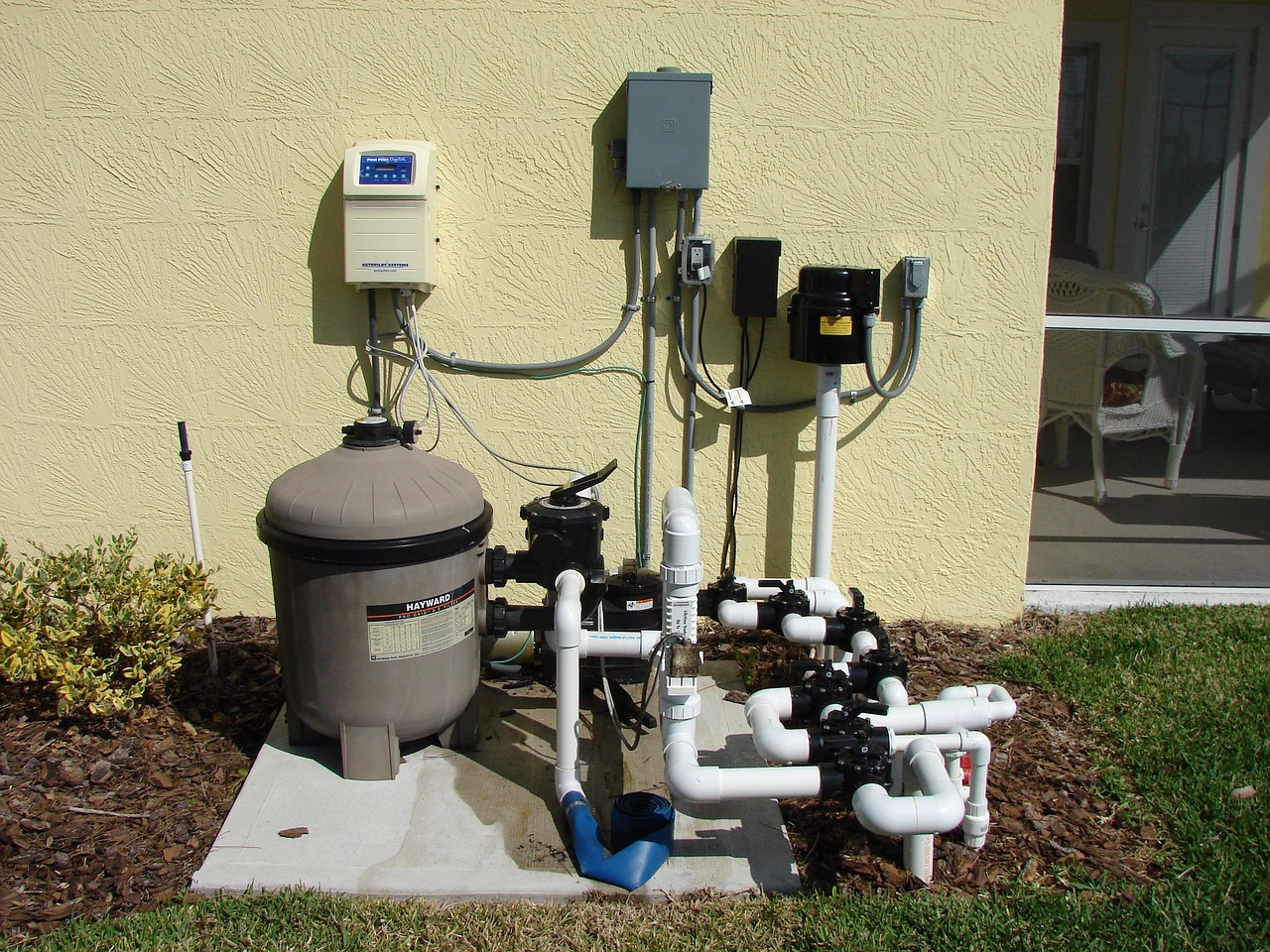
Water quality has a direct impact on the health of your plumbing system, household appliances, and daily water usage. A whole house water filtration system is designed to treat water as it enters your home, removing contaminants before the water reaches faucets, showers, washing machines, and water heaters. By filtering impurities at a single entry point, homeowners can improve water quality while reducing long-term damage caused by sediment, chlorine, and mineral buildup.
As concerns about water quality continue to grow, installing a whole-house filtration solution has become a practical investment for protecting plumbing infrastructure and extending the lifespan of essential household systems.
What Is a Whole House Water Filtration System and Why Is It Important for Plumbing Protection?
A whole house water filtration system is a centralized water treatment system installed at the main water supply line entering a property. Unlike point-of-use filters that serve a single faucet or appliance, this system filters all incoming water before it travels through the home’s plumbing network.
The primary purpose of a whole-house filtration system is to remove contaminants that can negatively affect pipes and fixtures, including:
- Sediment and dirt particles
- Chlorine and chemical disinfectants
- Rust and corrosion particles
- Organic contaminants
- Certain heavy metals and unpleasant odors
Cleaner water reduces wear on plumbing components, helping maintain consistent water flow and minimizing maintenance costs over time.
How Does a Whole House Water Filtration System Protect Pipes and Plumbing Fixtures?
A whole-house filtration system protects plumbing by preventing abrasive particles and chemical contaminants from circulating through the water supply.
Sediment acts like fine sandpaper inside pipes, gradually wearing down plumbing materials and contributing to clogs. Chlorine and other chemicals may accelerate deterioration of rubber seals, gaskets, and metal components in plumbing fixtures.
When water passes through filtration media before entering the home, contaminants are significantly reduced. This results in:
- Less sediment accumulation inside pipes
- Reduced corrosion risks
- Cleaner faucet aerators
- Better performance from valves and plumbing joints
- Lower chances of premature plumbing failures
Because the entire plumbing network benefits from cleaner water, filtration provides comprehensive system-wide protection rather than localized treatment.
Why Does Poor Water Quality Lead to Plumbing Damage Over Time?
Poor water quality introduces contaminants that gradually degrade plumbing systems through physical and chemical processes.
Sediment settles inside pipes and restricts water flow, increasing pressure within the plumbing network. Hard minerals can create scale deposits that narrow pipe diameter and reduce efficiency. Chlorine and acidic compounds may contribute to corrosion, especially in older plumbing systems.
Long-term exposure to untreated water can lead to:
- Frequent pipe blockages
- Reduced water pressure
- Corroded fixtures
- Leaks caused by weakened pipe walls
- Increased maintenance and repair expenses
A proactive water filtration strategy helps reduce these risks before significant damage occurs.
What Are the Key Benefits of Installing a Whole House Water Filtration System?
A whole-house filtration system delivers benefits that extend beyond drinking water quality. Because every water outlet receives filtered water, the entire household experiences improved performance and protection.
Key advantages include:
- Extended lifespan of plumbing systems
- Reduced sediment buildup inside pipes
- Improved efficiency of water heaters
- Protection for dishwashers and washing machines
- Cleaner showers and sinks with fewer mineral deposits
- Better-tasting and better-smelling water
- Lower long-term plumbing maintenance costs
Many homeowners also notice reduced soap scum formation and easier cleaning because filtered water contains fewer impurities that leave residue on surfaces.
How Does a Whole House Water Filtration System Improve the Performance of Household Appliances?
Water-using appliances depend on clean water to operate efficiently. Sediment and mineral deposits can accumulate inside internal components, reducing performance and increasing energy consumption.
A whole-house filtration system helps protect appliances such as:
- Water heaters
- Washing machines
- Dishwashers
- Refrigerators with water dispensers
- Ice makers
- Boilers and heating systems
Cleaner water minimizes scale formation on heating elements and internal valves, allowing appliances to operate more efficiently and often extending their service life. Reduced buildup also lowers the likelihood of costly repairs and unexpected breakdowns.
Which Homes Benefit the Most from a Whole House Water Filtration System?
While nearly every home can benefit from improved water quality, some properties experience particularly significant advantages.
Whole-house filtration is especially valuable for:
- Homes supplied by private wells
- Areas with high sediment levels
- Regions with hard water conditions
- Older homes with aging plumbing systems
- Properties with frequent plumbing maintenance issues
- Families seeking comprehensive water quality improvement
Even municipal water supplies may contain chlorine, dissolved solids, and other treatment byproducts that contribute to long-term plumbing wear.
Installing filtration at the point where water enters the home creates a consistent layer of protection regardless of where the water is used.
How Should Homeowners Maintain a Whole House Water Filtration System for Maximum Effectiveness?
Regular maintenance ensures a whole-house filtration system continues protecting plumbing and delivering high-quality water.
Most systems require periodic replacement of filter cartridges or filtration media based on water usage and local water quality. Neglecting maintenance can reduce filtration efficiency and limit water flow.
Recommended maintenance practices include:
- Replacing filters according to manufacturer guidelines
- Inspecting the system for leaks
- Monitoring water pressure changes
- Scheduling professional inspections when needed
- Cleaning pre-filters if applicable
Proper maintenance helps preserve filtration performance while maximizing the lifespan of both the system and the home’s plumbing network.
Why Is Investing in a Whole House Water Filtration System a Smart Long-Term Decision?
Installing a whole house water filtration system is a proactive strategy for protecting plumbing infrastructure, improving water quality, and reducing long-term maintenance expenses. By filtering contaminants before they enter household pipes and appliances, the system helps minimize sediment buildup, corrosion, and premature equipment wear.
As homeowners increasingly prioritize sustainability and cost-effective home maintenance, whole-house water filtration offers lasting value through improved plumbing performance and enhanced appliance efficiency. Investing in cleaner water today can help preserve critical household systems for years to come while providing a healthier and more reliable water supply throughout the home.
