


Key Takeaways
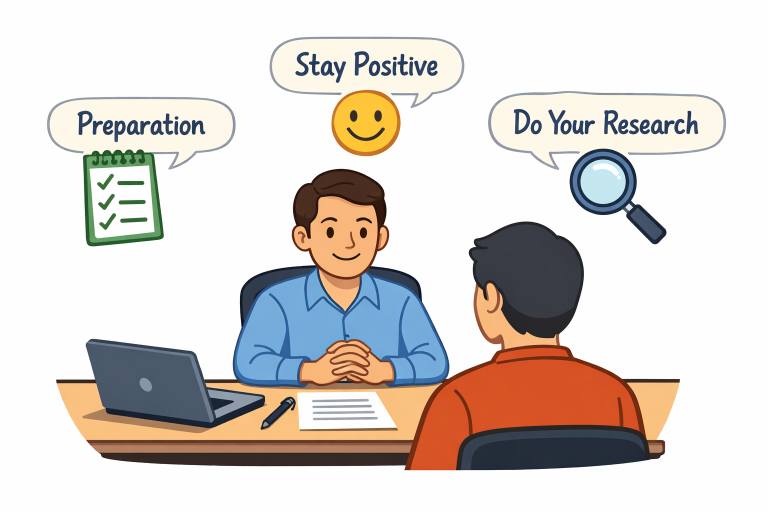
- Thorough preparation and research are essential for a successful interview.
- Practicing common interview questions can boost your confidence.
- Maintaining a positive attitude and managing stress are crucial during the interview.
Job interviews often generate anxiety, but with the right strategies and preparation, you can manage your nerves and showcase your best self. With some dedication and a proactive approach, it’s possible to transform stress into a powerful motivator. For more support, check out these practical tips for an interview to help you feel fully prepared and at ease.
Whether it’s your first interview or you’re a seasoned professional, interview stress is normal. The good news is that there are proven techniques to minimize nerves and make a strong impression. By learning about the company, practicing responses to typical questions, and managing your mindset, you can walk into any interview with confidence. It’s not just about giving the right answers but also about making a genuine connection with your interviewer.
Understanding what interviewers are looking for and how you can meet their expectations will give you an edge. Remember, interviews are a two-way street. You’re also assessing if the job and company are the right fit for you. Confidence comes from preparation, so set aside time to get ready, reflect on your accomplishments, and visualize your success.
In addition to your responses, your demeanor and attitude matter just as much. Keeping a positive outlook and staying composed under pressure are keys to delivering your best performance. Interview skills can be developed, so trust the process and give yourself credit for each step you take toward your goals.
Research the Company
Doing your homework on the company is more than just checking off a box. Take a deep dive into its history, mission, products, and culture. Understanding what drives the organization helps you connect your values and skills to their goals. Delve into the company’s website, social media profiles, and any recent news coverage. This level of preparation shows interviewers that you are genuinely interested and proactive. Resources such as Indeed highlight the advantages of company research, including improved communication and increased confidence during interviews.
Understand the Job Description
Carefully review the job description for the role. Identify the must-have skills and experiences that are highlighted. Reflect on your career and pick specific examples that align with these elements. Consider creating a document that aligns with the company’s goals and what you deliver, clearly defining the sections. Tailoring your interview responses to address these qualifications directly helps you stand out and assures the interviewer of your suitability for the position.
Practice Common Interview Questions
One of the best ways to reduce anxiety is to practice responses to standard interview questions. Common questions include “Tell me about yourself,” “What is your greatest strength?” and “Describe a challenge you faced and how you handled it.” Use the STAR method (Situation, Task, Action, Result) to provide structured, easy-to-follow answers. Practice with a mirror or record yourself to evaluate your clarity and confidence. According to Coursera, preparation for these types of questions can help you articulate your achievements more effectively and ease your nerves.
Dress Appropriately
What you wear to an interview says a lot about you before you even start talking. When in doubt, it’s safer to choose business casual or professional attire. Your clothing should match the company’s culture. For startups, a less formal outfit might be suitable, while more traditional firms expect formal business wear. Neat grooming, subtle accessories, and makeup contribute to an overall impression of professionalism and respect for the opportunity.
Arrive on Time
Punctuality is an easy way to demonstrate your professionalism. Always plan your journey ahead. Check routes, weather, and possible delays. Try to arrive at least 10 to 15 minutes early. This shows respect for the interviewer’s time and gives you a moment to relax and get settled before your interview begins.
Demonstrate Positive Body Language
Your non-verbal communication tells an interviewer a lot about your confidence and engagement. Maintain good posture, make steady eye contact, and greet your interviewers with a firm, friendly handshake if appropriate. Avoid fidgeting and try to smile naturally. Employers appreciate candidates who seem approachable and alert, as it’s often an indicator of how you’ll interact with colleagues in the workplace.
Ask Insightful Questions
At the end of most interviews, you’ll be invited to ask questions. Use this opportunity to demonstrate curiosity and forethought. Prepare questions that go beyond salary and benefits, such as “How is success measured in this role?” or “What challenges is the team currently facing?” These questions show genuine interest and help determine if the company’s culture and values align with your own career aspirations.
Follow Up After the Interview
A thoughtful follow-up message sets you apart from other candidates. Send a thank-you email within 24 hours, expressing gratitude for the opportunity and highlighting a specific moment or topic from the interview that resonated with you. This extra step not only demonstrates professionalism but also reiterates your enthusiasm for the role and helps you stay top of mind as the selection process continues.
Mastering interviews is about preparation, authenticity, and consistency. By following these strategies, you will enhance your chances of making a great impression and securing your next opportunity. Remember that every interview is also a learning experience, so take note of what worked and how you can improve, ensuring you are even more prepared for future opportunities.
