

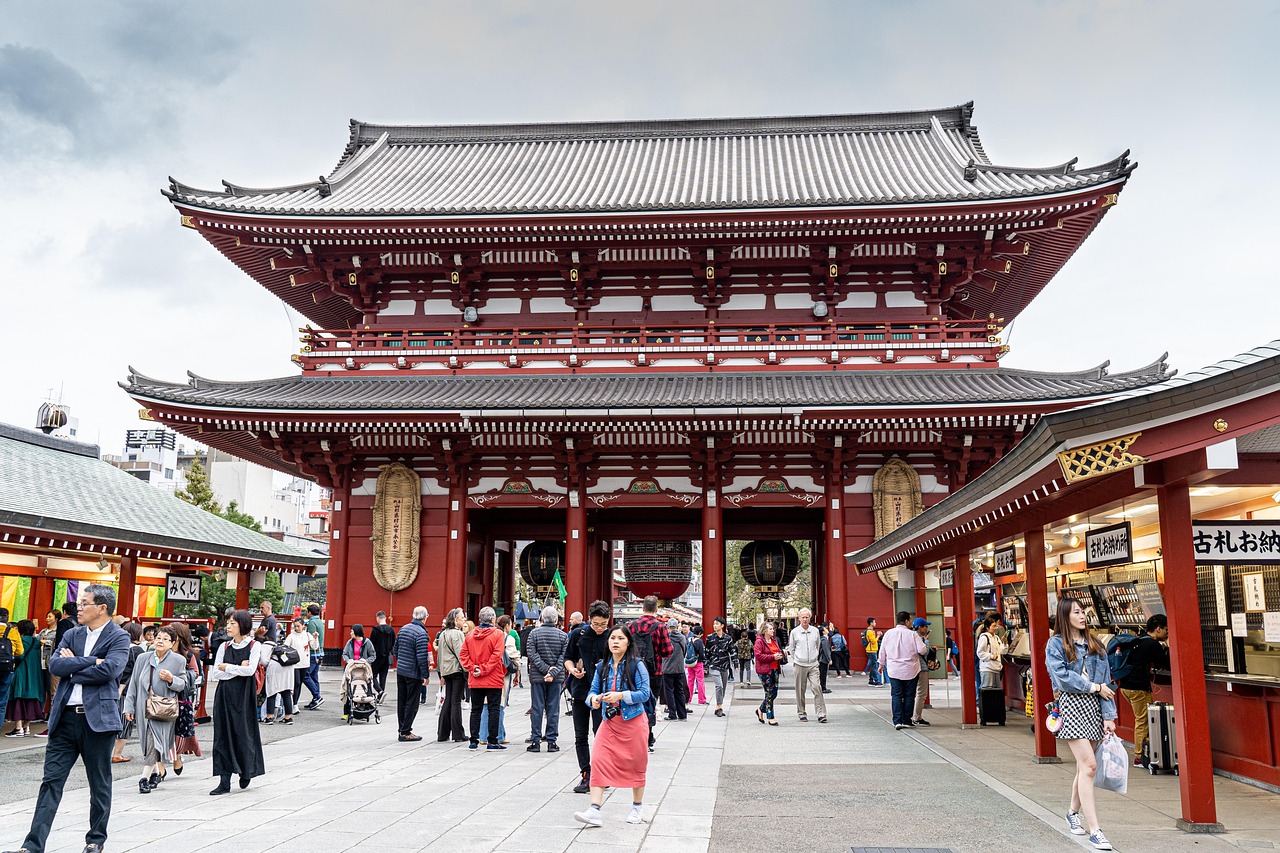
Tokyo remains one of the most dynamic business hubs in the world. Blending cutting-edge technology with deeply rooted corporate traditions, the Japanese capital requires visiting executives to be highly adaptable. Whether you are flying in for brief negotiations or a week-long industry summit, preparation is the key to a smooth and productive trip. Tokyo is experiencing a rapid resurgence in global corporate events, reaffirming the city’s status as a premier destination for commerce. To navigate this bustling metropolis successfully, professionals must master everything from transit logistics to cultural nuances.
Strategising Your Base and Commute
The first rule of corporate travel in Tokyo is to minimise your transit time. The city is massive, and while its public transport network is famously efficient, navigating crowded subway stations in business attire can be exhausting. Strategic accommodation choices make a world of difference for visiting executives. Booking premium hotels near Tokyo station or along key transit corridors like the Yamanote Line provides rapid, direct access to major financial districts such as Marunouchi and Shinagawa.
It is highly recommended to obtain a digital transit card, such as a Suica or Pasmo, right on your smartphone before you even land. This allows you to tap through ticket gates instantly without queuing at unfamiliar ticket machines. Positioning yourself near major transit hubs also means seamless connections to the Shinkansen bullet trains for cross-country meetings, as well as straightforward access to Haneda or Narita airports. Furthermore, high-end business hotels cater specifically to the needs of international professionals. They offer reliable concierges who can assist with restaurant bookings, arrange private transport, and provide quiet, well-equipped workspaces for times when you need to take an important video call across different time zones.
Securing Your Tech for International Transit
While packing the right suit and organising your schedule are obvious steps, digital security is often overlooked by busy professionals. Modern business travel heavily involves working from unpredictable environments like airport lounges, hotel lobbies, and local cafes. These public networks can expose sensitive company data to significant risks. Taking proactive steps to protect corporate mobile devices from emerging cyber threats is just as critical as packing your passport.
Before leaving your home country, ensure that all your devices are updated and that multi-factor authentication is enabled across your corporate accounts. It is highly recommended to rely on a secure Virtual Private Network (VPN) whenever you connect to public Wi-Fi in Tokyo. Additionally, consider carrying a dedicated travel laptop or phone that contains only the essential data required for your trip. By minimising the sensitive information you carry, you significantly reduce the potential fallout of a lost device or a compromised network connection. Keeping your hardware close at hand during flights and train rides also prevents physical tampering.
Understanding local business culture is just as important as your logistical and digital preparations. Japanese corporate environments place a high value on respect, hierarchy, and formal protocol. Fostering strong relationships with your local counterparts requires an appreciation for these traditions. Consulting a comprehensive guide to Japanese business etiquette before your departure can provide valuable insights to help you build strong professional connections.
Keep the following best practices in mind to make a strong impression during your Tokyo trip:
- Exchange business cards properly: The exchange of “Meishi” (business cards) is a formal ritual. Always present and receive cards with both hands, take a moment to read the card carefully, and place it neatly on the table during the meeting. Never shove a card into your back pocket.
- Prioritise extreme punctuality: In Japan, arriving on time means arriving early. Aim to be at the meeting location at least ten to fifteen minutes before the scheduled start time to allow for building security and elevator queues.
- Observe the dress code: Traditional Japanese corporate culture remains conservative. Dark, well-tailored suits, subtle ties, and polished shoes are the standard expectation for both men and women.
- Acknowledge the hierarchy: Pay attention to seating arrangements and speaking orders. The most senior person from your host company will typically guide the meeting, and you should direct your initial greetings to them.
- Bring a modest gift (Omiyage): Presenting a beautifully wrapped local gift from your home country is a highly appreciated gesture that breaks the ice. Ensure you hand it over at the end of the meeting using both hands.
- Understand after-hours networking: Business relationships are often solidified after leaving the boardroom, frequently over dinner and drinks in a setting known as a “Nomikai.” While you are not obligated to drink alcohol, participating in these social events shows your commitment to the partnership.
Blending Efficiency with Cultural Awareness
Mastering corporate travel in Tokyo requires a delicate balance of modern efficiency and traditional respect. The professionals who succeed in this unique business landscape are those who plan their logistics meticulously, safeguard their digital assets, and approach local customs with genuine curiosity.
By selecting a strategic base of operations, you eliminate the daily stress of complex commutes. Embracing the nuanced etiquette of Japanese corporate life helps you build a foundation of trust that can lead to incredibly lucrative long-term partnerships. A business trip to Japan is an opportunity to experience one of the most sophisticated economies in the world. With the right preparation, you can ensure every moment of your visit is both productive and enjoyable.
