

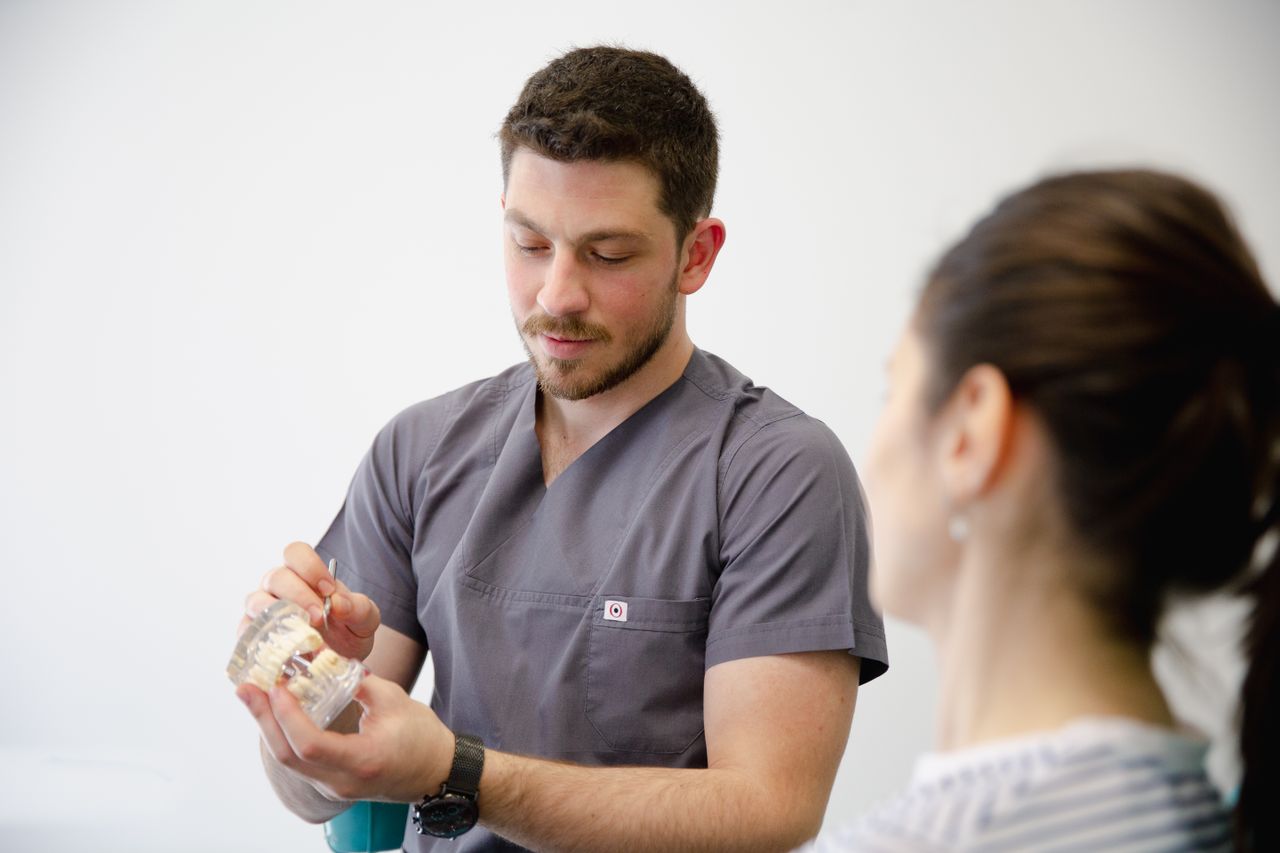
Routine dental care often follows familiar clinical patterns, but some patient presentations require a broader level of knowledge and clinical judgment. Complex surgical needs, unusual oral conditions, trauma, or patients with additional medical considerations can introduce decisions that extend beyond everyday procedures.
These situations can also highlight areas where dentists may benefit from revisiting specialized dental education or learning about newer approaches. Continuing education can provide a structured way to strengthen that broader clinical foundation and stay prepared for different types of cases.
Let’s explore how broader dental education can support clinical readiness for cases that extend beyond everyday practice.
Where Can Dentists Encounter Challenges Outside Routine Care?
Some cases require dentists to draw on knowledge that may not be part of their daily clinical routine. Recognizing these situations can help identify areas where additional education may be valuable.
- Complex Surgical Cases
Surgical cases can involve decisions that extend beyond routine dental procedures. Oral and maxillofacial surgery may involve areas such as anesthesia, patient safety, perioperative assessment, trauma, reconstruction, implants, and surgical planning. Familiarity with these areas can help dentists better understand the considerations involved when patients require more specialized care.
- Patients With Medical Considerations
A patient’s broader medical history can influence dental treatment and perioperative planning. Conditions involving medications, cardiovascular health, bleeding risks, or other medical concerns may require additional consideration before treatment. Reviewing relevant medical and patient-safety topics can help dentists approach these situations with a broader clinical perspective.
- Unusual Oral and Maxillofacial Conditions
Some presentations may involve conditions that dentists encounter less frequently. Oral pathology, craniofacial deformities, temporomandibular disorders, and other specialized areas can require knowledge beyond common examinations and treatments. Education focused on these subjects can help dentists become more familiar with different presentations and clinical considerations.
- Traumatic Injuries
Dental and maxillofacial trauma can introduce urgent clinical decisions involving injuries to teeth, bone, soft tissue, or surrounding structures. Learning about trauma can help dentists build familiarity with assessment and treatment considerations that may differ from routine restorative or preventive care.
- Implant-related Complications
Implant treatment can involve considerations before, during, and after placement. Complications or unexpected findings may require knowledge of surgical techniques, imaging, pathology, and patient management. Broader education can help dentists review these areas and better understand the factors that can influence treatment decisions.
- Cases Requiring Advanced Imaging
Some cases require more detailed diagnostic information than a standard clinical examination can provide. Dental education covering radiology and imaging can help dentists become more familiar with tools and techniques used to evaluate complex conditions. Topics such as MRI and cone-beam computed tomography can provide additional context when assessing specialized cases.
How Can CME Help Dental Professionals Strengthen Clinical Readiness?
CME can give dental professionals a structured way to revisit clinical knowledge, explore areas outside their routine practice, and stay informed about developments in dental care. It can support learning across several areas that contribute to broader clinical readiness:
- Refresh Specialized Knowledge: CME can help dentists revisit topics they may encounter less often, such as oral pathology, trauma, oral surgery, anesthesia, and maxillofacial conditions. Reviewing these areas can make less familiar clinical situations easier to understand and assess.
- Explore Different Clinical Approaches: Educational content can introduce dentists to different techniques, treatment options, and approaches used across dental specialties. Exposure to varied perspectives can broaden their understanding of how complex patient needs may be managed.
- Improve Clinical Decision-making: CME can help dentists connect patient presentations with diagnostic findings and treatment considerations. Reviewing clinical scenarios can also encourage them to consider relevant factors before selecting an appropriate approach.
- Reinforce Patient Safety: Courses covering anesthesia, medical considerations, surgical risks, complications, and perioperative care can reinforce important safety principles. This can help dentists remain attentive to factors that may affect treatment planning and patient management.
- Stay Current With Clinical Developments: Ongoing CME gives dental professionals opportunities to learn about emerging techniques, technologies, diagnostic methods, and treatment approaches that may influence contemporary dental practice.
- Learn Through Realistic Cases: Case-based CME can place clinical concepts within realistic situations, helping dentists consider how knowledge may apply when patient needs extend beyond familiar routine procedures.
Expand Your Preparation Beyond Everyday Cases
Routine practice provides a foundation for dental care, while less familiar cases can call for knowledge across surgery, pathology, imaging, trauma, patient safety, and other specialized areas. Dental education can help dentists revisit these subjects, explore different clinical approaches, and build familiarity with cases that may require additional judgment.
For dentists looking to broaden their clinical knowledge, dental education can provide structured opportunities to study specialized topics alongside foundational concepts. Online CME providers such as Oakstone offer dental continuing education covering areas of general dentistry and specialized clinical care, helping dentists make ongoing learning part of their profession.
