

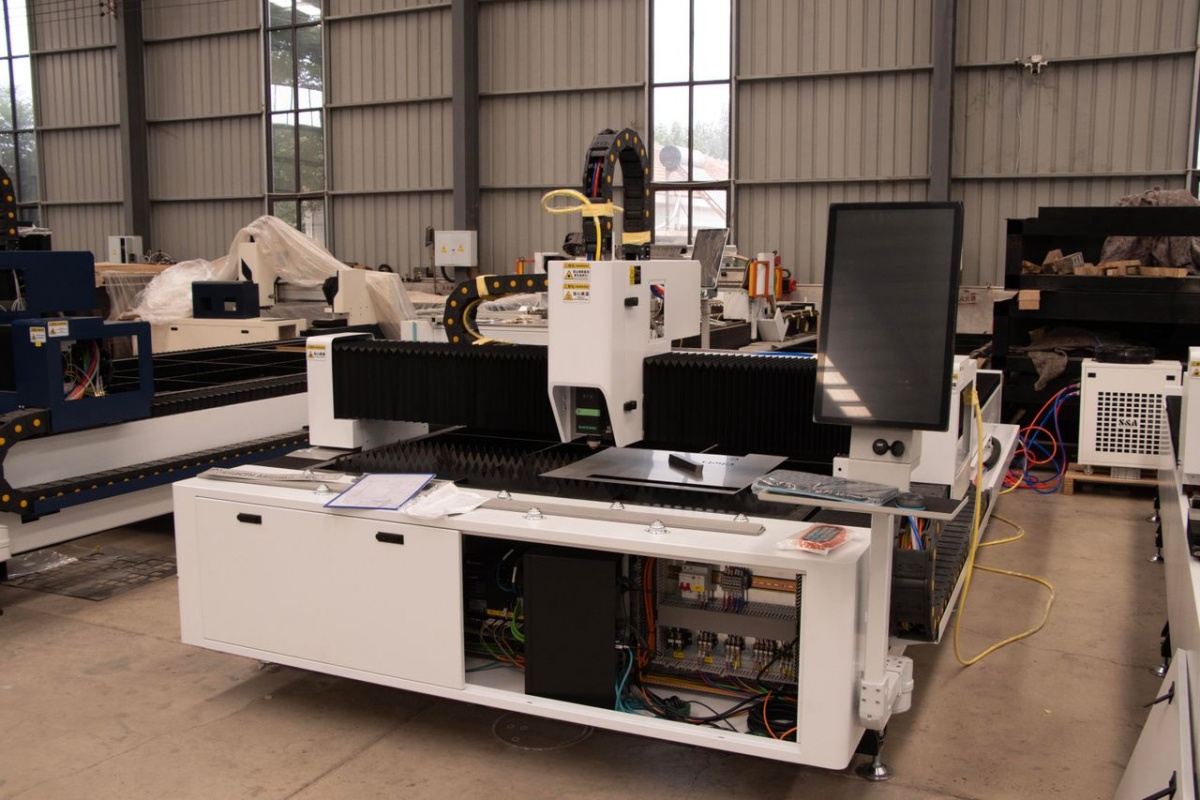
A fiber optic laser cutting machine represents a significant advancement in industrial manufacturing and material processing. Utilising the sophisticated technology of fiber lasers, these cutting machines deliver precision, efficiency, and unparalleled control for various applications across multiple industries.
Understanding Fiber Optic Laser Technology
Fiber optic laser cutting machines operate by generating laser beams transmitted through optical fibres. Unlike traditional cutting devices that use gas lasers or CO2 lasers, fiber lasers employ a solid-state laser medium, which offers higher reliability and efficiency. The core of this technology involves the amplification of light within an optical fiber doped with rare-earth elements, primarily erbium, ytterbium, or neodymium, depending on the specific application requirements.
One can learn more about the advanced capabilities of such equipment by exploring the range of fiber optic laser cutting machine options provided by industry suppliers, which showcase diverse models designed for different materials and thickness levels.
Benefits of Using Fiber Optic Laser Cutting Machines
The adoption of fiber optic laser cutting machines brings numerous advantages. Firstly, these machines are celebrated for exceptional precision, achieving cutting tolerances less than 0.1 millimetres. This attribute ensures minimal material waste and superior quality of finished products.
Furthermore, fiber lasers boast higher electrical efficiency compared with traditional gas and CO2 lasers, resulting in reduced energy consumption and operational costs. Their solid-state design contributes to lower maintenance requirements, enhancing machine uptime and overall productivity.
Applications in Industry
This technology caters to a wide spectrum of industrial sectors including automotive, aerospace, electronics, and medical device manufacturing. It is especially effective for cutting metals such as stainless steel, aluminium, copper, and brass. The precision afforded by fiber lasers permits the creation of intricate patterns and fine details that are integral to high-tech assemblies and components.
The adaptability of fiber optic laser cutting machines also allows processing of various sheet thicknesses ranging from very thin gauge metals to heavier materials, thus covering a comprehensive range of manufacturing needs.
Operational Features and Safety Considerations
Modern fiber optic laser cutting machines integrate advanced control systems with computer numerical control (CNC) technology, enabling automated operation and programming flexibility. The user interface facilitates customisation of cutting parameters to match material characteristics and desired output qualities.
Safety is paramount during operation. These machines are equipped with protective enclosures and interlock mechanisms to prevent accidental exposure to high-intensity laser beams. Operators must adhere to prescribed safety protocols, including wearing appropriate protective apparel and ensuring adequate ventilation in the work area.
Comparison with Other Laser Cutting Technologies
When comparing fiber optic laser cutting machines to traditional CO2 laser cutters, fiber technology offers several distinctions:
- Higher beam quality and focus precision.
- Lower energy consumption and operational cost.
- Reduced maintenance due to fewer moving parts and solid-state components.
- Better suitability for reflective metals, which often pose challenges for CO2 lasers.
These factors make fiber optic laser cutting machines increasingly preferred in sectors demanding exceptional cutting performance.
Environmental and Economic Impact
The energy efficiency of fiber optic laser cutting machines not only reduces operational expenditures but also contributes to sustainability objectives by lowering carbon footprint. Moreover, the high-speed cutting capability minimises processing times, optimising resource utilisation.
Such considerations align with contemporary industry trends focusing on eco-friendly manufacturing processes without compromising quality or productivity.
Implementing Fiber Optic Laser Cutting Solutions
For enterprises considering incorporation of fiber optic laser cutting machines, a thorough assessment of material types, production volume, and required cutting complexity is necessary. Partnering with reputable suppliers ensures access to cutting-edge technology tailored to specific industrial demands.
Training of personnel is essential to derive maximum benefit from these sophisticated machines. Comprehensive understanding of operational parameters, maintenance routines, and safety procedures is crucial for sustained performance and workforce protection.
Conclusion
In summary, fiber optic laser cutting machines embody a compelling solution for precision cutting challenges across diverse manufacturing environments. Combining efficiency, accuracy, and adaptability, they address modern production requirements effectively.
Investing in such technology can drive significant improvements in product quality, operational efficiency, and environmental responsibility.
