

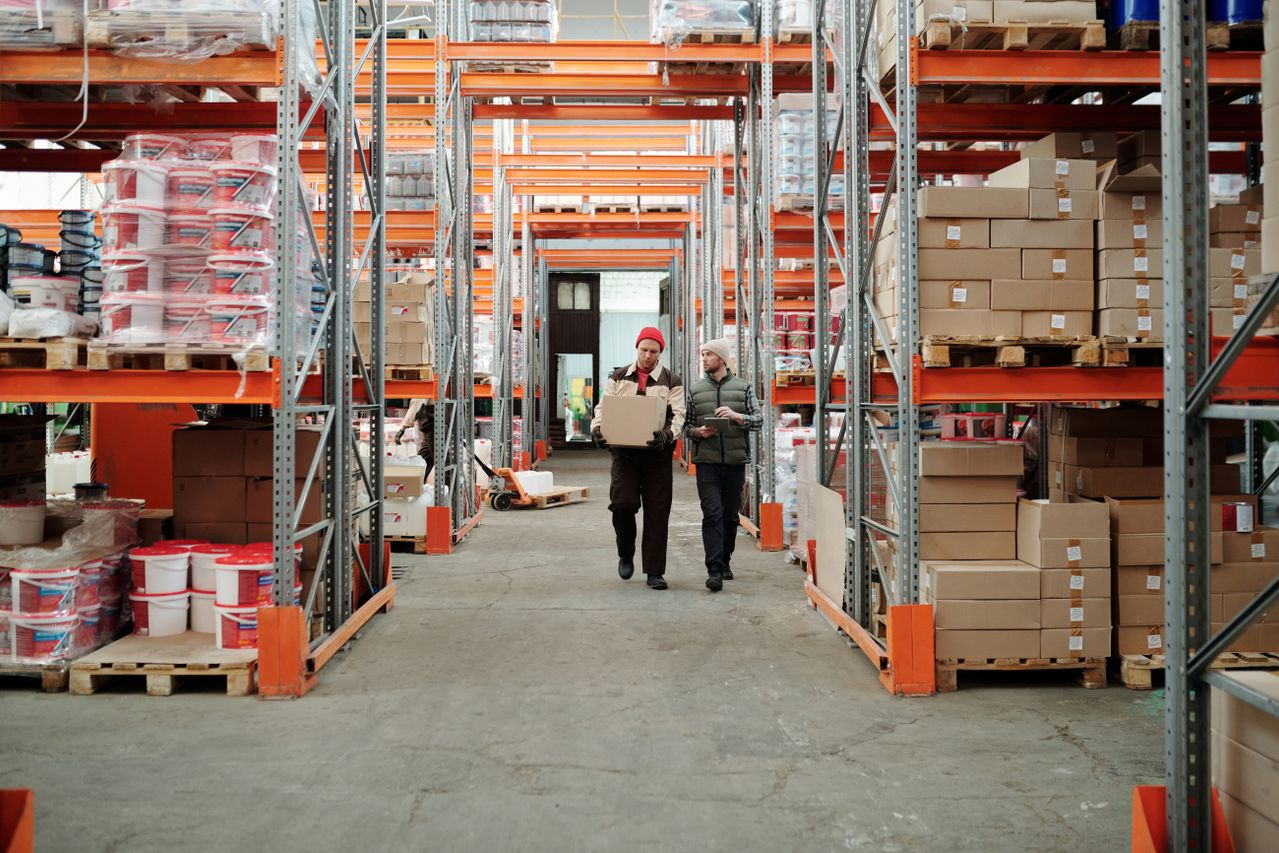
Scaling a business often leads to a pressing need for more physical space. For companies relying on manufacturing or e-commerce fulfillment, outgrowing a warehouse is a positive sign of success. However, finding affordable ways to expand operations can be incredibly challenging in today’s commercial real estate market. According to recent data from JLL Research, total logistics space take-up remains 13 percent higher than the pre-pandemic average. This sustained long-term demand has kept industrial real estate highly competitive, forcing business owners to seek out smarter, more cost-effective expansion strategies rather than simply leasing additional properties at premium rates. Proper planning and strategic material choices can make all the difference in a successful corporate expansion.
Assessing Operational and Space Requirements
Before breaking ground on any new construction or facility addition, companies must take a hard look at their current workflows. Upgrading your warehouse footprint goes hand-in-hand with ensuring your core logistics are stable enough to handle increased capacity. This means reviewing everything from fleet management to mechanical maintenance protocols. Business owners should familiarize themselves with essential support services for industrial operations to guarantee that the new physical space is supported by highly efficient daily management. Adding thousands of square feet will not solve bottleneck issues if the underlying supply chain and operational foundations are disorganized or lagging behind the company’s growth curve.
Once the operational protocols are secure, businesses must calculate their exact spatial needs. Consider how automated systems, shelving layouts, and forklift traffic patterns will dictate the required floor plan. Expanding an existing footprint incrementally is often more budget-friendly than completely relocating an operation, provided the existing land allows for it. Carefully mapping these internal logistics ensures a seamless transition and maximum utility of the new square footage.
Structural Material Choices and Cost Advantages
When constructing a warehouse expansion, the choice of building materials will dictate both the immediate capital expenditure and long-term facility maintenance budgets. As of 2026, average construction costs for large industrial warehouse projects hover around $77 per square foot, while smaller boutique facilities can average $142 per square foot. Given these significant financial commitments, growing businesses are increasingly turning toward pre-engineered metal buildings. These structures now account for roughly half of all new low-rise nonresidential construction in the United States. Choosing structural steel for warehouse expansions can provide business owners with a cost advantage of up to $19 per square foot compared to alternative building materials like traditional wood-framing or ready-mix concrete. To maximize these savings without sacrificing quality, commercial developers often source materials from established domestic providers. For example, working directly with a manufacturer like Atlantic Steel Structures ensures that companies receive durable, prefabricated components designed specifically for commercial and industrial scaling. The modular nature of these steel-frame constructions allows operations to expand incrementally, adding new bays to the existing facility precisely as capacity needs increase.
Key Benefits of Pre-Engineered Facilities
Opting for prefabricated construction methods provides numerous strategic advantages beyond the initial cost savings. The efficiency and design flexibility of these structures directly support modern logistics requirements.
Business owners who utilize this construction method typically experience several core benefits:
- Accelerated Construction Timelines: Because the prefabricated components are precut, drilled, and welded off-site at the factory, on-site labor expenses are drastically reduced. Once materials are delivered to the site, erecting the building typically takes just three to four weeks, radically compressing standard commercial construction schedules.
- Clear Span Engineering: These designs can bridge distances of up to 300 feet wide without requiring a single interior support column. Eliminating these columns improves forklift maneuverability, safety sightlines, and the seamless integration of large-scale warehouse automation systems.
- Long-Term Durability: Steel construction naturally resists common structural threats like moisture, mold, and termites. Furthermore, they are engineered to withstand extreme environmental pressures, including heavy snow loads and severe hurricane-force winds.
- Energy Efficiency: To meet increasingly stringent commercial energy codes, modern prefabricated facilities utilize advanced insulated sandwich panels and vapor barriers. This drastically reduces long-term heating and cooling costs, lowering the overall overhead of the expanded space.
Strategic Growth for the Future
Expanding an industrial footprint does not have to drain a company’s capital reserves. By understanding the current real estate climate, optimizing daily operational protocols, and leveraging modern construction materials, businesses can scale efficiently. Pre-engineered structures offer a practical, modular solution that aligns perfectly with the fast-paced demands of modern logistics and manufacturing. Ultimately, selecting the right expansion strategy protects profit margins and ensures that the physical infrastructure can fully support long-term commercial success.
