

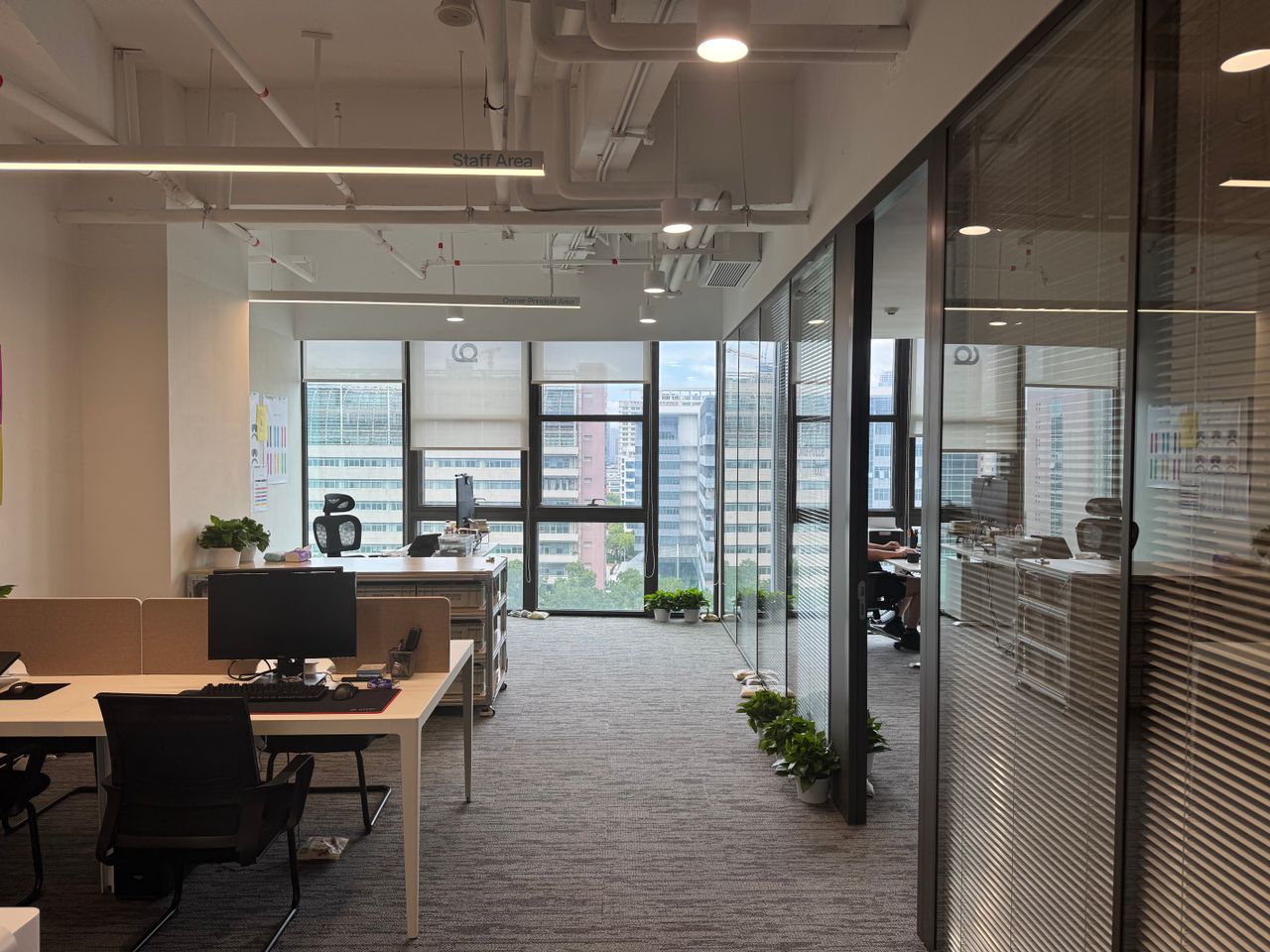
In today’s highly competitive corporate landscape, business leaders are constantly searching for ways to improve operational efficiency and boost employee morale. While many organisations focus heavily on digital transformations and flexible working arrangements, one of the most fundamental drivers of workforce success is often overlooked. The physical cleanliness of the office environment plays a massive role in shaping how staff feel, function, and interact on a daily basis. Treating workplace hygiene as a strategic priority, rather than a mere administrative afterthought, can yield significant returns in productivity and overall staff well-being.
The True Cost of Contamination
Unplanned absences caused by preventable workplace illnesses can reduce daily operational productivity by up to 40 percent. In fact, absenteeism costs the Australian economy approximately $33 billion annually. The direct costs average over $4,000 per employee each year due to preventable illnesses and mental strain. Shared office spaces are prime environments for rapid viral transmission.
The average office desk harbours over 10 million bacteria, making it approximately 400 times dirtier than a standard toilet seat and a major vector for office-wide illness. Furthermore, viruses such as influenza can survive on shared office surfaces for up to 24 hours. Surface contamination can spread extensively throughout a shared lobby or open-plan office in just two to four hours. This highlights the urgent need for robust sanitisation protocols that interrupt the chain of infection.
Upgrading Facility Standards with Commercial Solutions
To combat these hidden biological hazards, facility managers must move beyond basic domestic cleaning methods. There is a rapid industry shift toward HEPA-filtered backpack vacuums and cordless commercial equipment. These advanced tools effectively trap microscopic airborne pathogens and allergens that domestic-grade stick vacuums merely push around, creating a noticeably fresher atmosphere.
Maintaining such high standards requires the right tools and chemicals. Sourcing heavy-duty commercial equipment and professional-grade supplies from a reliable B2B provider like Big Clean ensures that your maintenance teams are fully equipped to tackle complex sanitation challenges. When businesses invest in consistent, professional commercial cleaning setups, they often report productivity improvements of up to 38 percent among their workforce.
Key Protocols for a Healthier Office
Modern commercial cleaning standards demand a strategic approach to daily maintenance. Implementing a comprehensive hygiene plan not only safeguards physical health but also signals to employees that their welfare is a top corporate priority.
To achieve a truly optimised workplace, businesses should focus on several core practices:
- Implement Hospital-Grade Disinfection: Upgrading to eco-friendly, hospital-grade disinfectants helps neutralise resilient viruses without triggering chemical sensitivities among staff. Implementing daily professional cleaning protocols with these advanced products has been shown to reduce sick leave by up to 27 percent across Australian offices.
- Adopt the Clean-to-Dry Method: To eliminate slip-and-fall hazards, Australian commercial cleaning standards now heavily emphasise the clean-to-dry method. This regulatory push drives the demand for heavy-duty, automated floor scrubbers and combination sweeper-dryers that leave hard floors instantly safe to walk on.
- Prioritise Indoor Air Quality: Indoor air quality has transitioned from a secondary facility concern to a primary Key Performance Indicator for employee well-being. Clean air circulation directly combats sick building syndrome and chronic fatigue, keeping minds sharp throughout the afternoon slump.
- Prepare for First Impressions: Remember that 94 percent of clients and visitors form lasting judgments about a business’s professionalism within the first seven seconds of entering a facility. A pristine reception area serves as a powerful commercial asset.
Beyond the immediate benefits of reduced absenteeism and higher morale, maintaining a hygienic workplace is a strict legal requirement. Under the Work Health and Safety Act 2011, Safe Work Australia mandates that Persons Conducting a Business or Undertaking must maintain hygienic facilities. Heavy-duty cleaning is now firmly framed as a critical WHS control measure, rather than a discretionary expense. The Fair Work Ombudsman also increasingly scrutinises psychosocial hazards and employee welfare. This makes the provision of a clean, safe, and stress-free physical environment an essential compliance focus for modern employers.
Additionally, National Safe Work Month, held every October in Australia, acts as a critical deadline for facility managers to conduct comprehensive audits of their WHS compliance. This proactive review includes deep sanitation and hygiene standard checks. B2B commercial facilities are rapidly adopting battery-powered janitorial machines and sustainable chemical practices to simultaneously meet corporate Environmental, Social, and Governance targets while protecting their workforce. By viewing hygiene as a core business investment, companies can foster a thriving, resilient, and highly productive corporate culture that protects both their people and their profit margins.
