

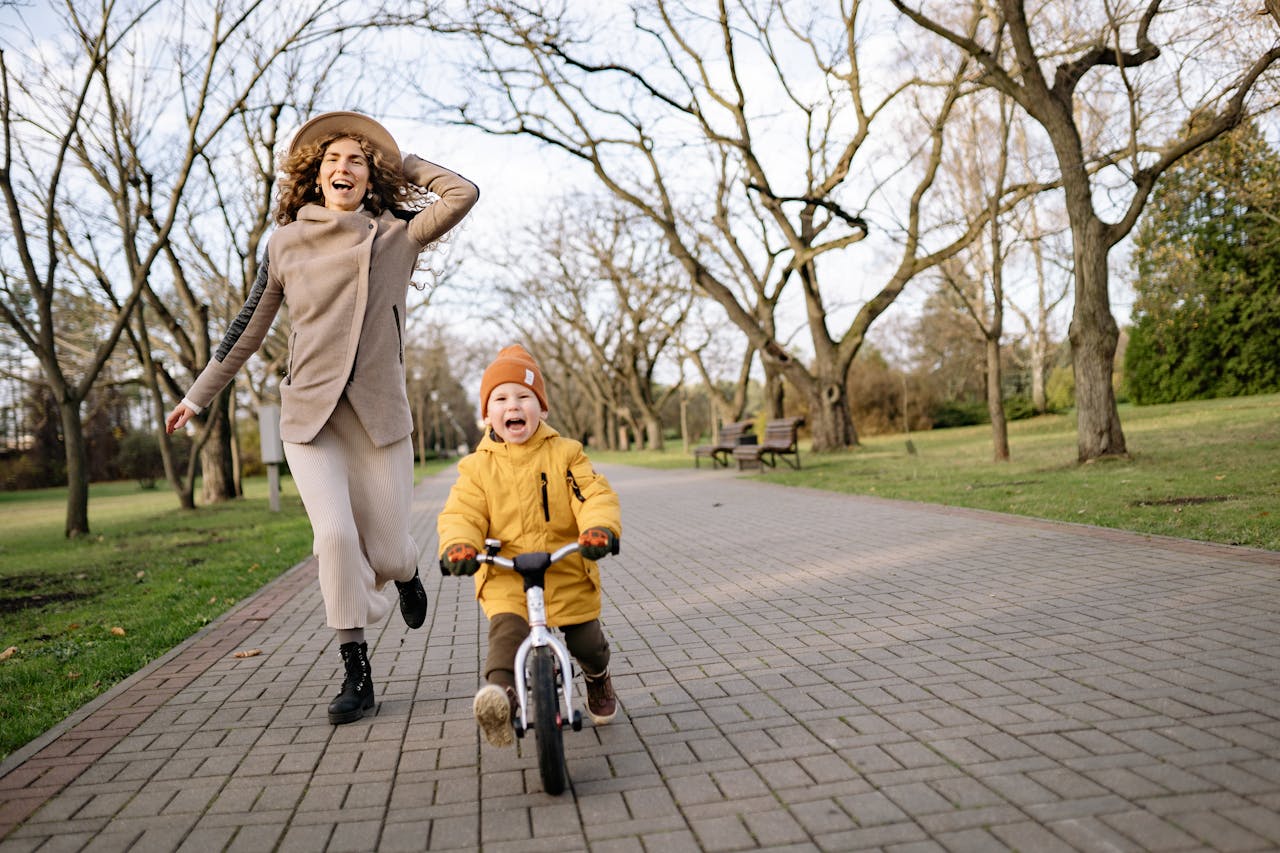
Watching your toddler take their first wobbly steps is magical, but helping them transition to riding opens up a whole new world of adventure and independence. Balance bikes have revolutionized how young children learn to ride, offering a natural progression that builds confidence and coordination without the frustration of training wheels. These simple yet ingenious two-wheelers allow toddlers as young as 18 months to develop balance and steering skills at their own pace, making the eventual move to a pedal bike seamless and stress-free.
However, walking into a store or browsing online reveals an overwhelming array of options with varying features, materials, and price points. From lightweight aluminum frames to sturdy wooden designs, adjustable seats to air-filled tires, the choices can leave even the most prepared parent feeling confused. This guide cuts through the noise to help you understand what truly matters when selecting a balance bike for your little one, ensuring you invest in a product that’s safe, appropriate for your child’s developmental stage, and built to last through countless adventures.
What is a Toddler Balance Bike?
A toddler balance bike is a pedal-free, two-wheeled bicycle designed specifically for young children, typically between 18 months and 5 years old. Unlike traditional bicycles with training wheels, balance bikes have no pedals, chains, or gears. Instead, children propel themselves forward using their feet while sitting on the seat, allowing them to focus entirely on developing balance and steering skills. The design encourages a natural learning process where toddlers walk, then glide with their feet lifted off the ground for increasingly longer periods. This method builds core strength, spatial awareness, and confidence in a way that feels intuitive and fun. The low center of gravity and lightweight construction make it easy for even the youngest riders to control and maneuver. By mastering balance first, children can skip training wheels altogether when transitioning to a pedal bike, often learning to ride independently within hours rather than weeks. Balance bikes transform learning to ride from a potentially frustrating milestone into an enjoyable progression that respects each child’s developmental pace.
Types of Toddler Balance Bikes
Lightweight Bikes
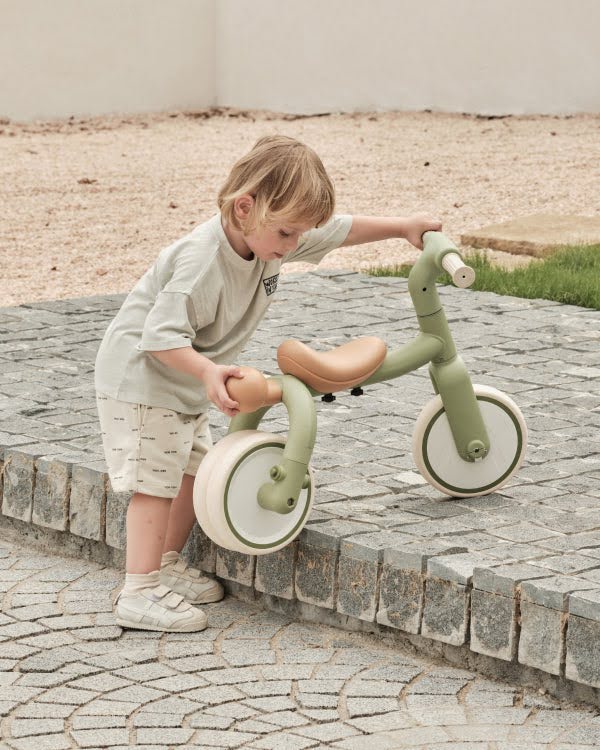
Lightweight balance bikes, typically constructed from aluminum or composite materials, weigh between 4 to 7 pounds and represent the most popular category for toddlers. The reduced weight makes a significant difference for small children who are still developing muscle strength and coordination. When a bike weighs less than 30% of a child’s body weight, they can easily lift it when it tips over, push it up small inclines, and maneuver around obstacles without frustration. Aluminum frames resist rust and weather damage while maintaining structural integrity through years of outdoor use. These bikes often feature ergonomic designs with lower standover heights, allowing toddlers to place both feet flat on the ground for maximum confidence. The lightweight construction also means less impact force if the bike falls on a child’s foot or leg. Parents appreciate how easy these bikes are to carry when their toddler gets tired during outings or when loading them into car trunks. Many premium lightweight models include foam or air tires that absorb bumps without adding excessive weight. For families living in apartments or homes with stairs, the portability factor becomes especially valuable. The investment in a quality lightweight bike pays dividends in extended riding sessions and faster skill development, as children aren’t fighting against a heavy frame.
Carbon Steel Bikes
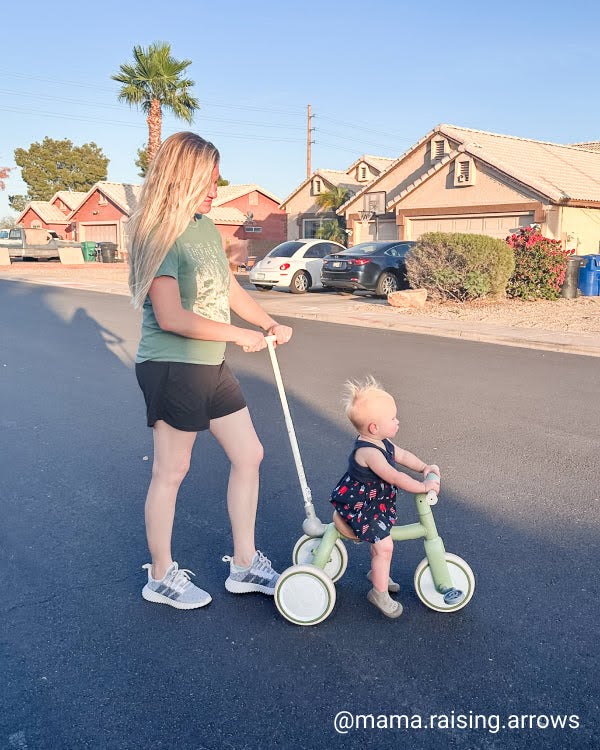
Carbon steel balance bikes offer exceptional durability and stability, making them ideal for families with multiple children or those seeking a bike that can withstand rougher play. These bikes typically weigh between 8 to 10 pounds, providing a solid, grounded feel that some parents prefer for very active or adventurous toddlers. The steel frame construction absorbs vibrations effectively and can endure crashes, drops, and outdoor storage without compromising structural integrity. While heavier than aluminum alternatives, carbon steel bikes often come at more affordable price points, making quality balance bikes accessible to budget-conscious families. The added weight can actually benefit older or larger toddlers who need more stability at higher speeds. Steel frames accommodate higher weight limits, extending the usable life as children grow. Many classic-style balance bikes feature powder-coated steel frames in vibrant colors that resist chipping and scratching better than painted aluminum. The trade-off comes in portability and ease of handling for smaller toddlers, so these bikes work best for children approaching three years old with sufficient strength to manage the extra weight confidently.
Key Features to Consider
Safety Features
Safety should be your top priority when selecting a balance bike, and several key features directly impact your toddler’s protection. Look for bikes with steering limiters that prevent the handlebars from rotating completely, which stops the bars from jabbing into your child’s stomach during falls. Rounded edges and enclosed bearings eliminate sharp points that could cause cuts or scrapes. Handgrips with safety ends prevent handlebar edges from causing injury if your child falls sideways. Non-slip grips ensure small hands maintain control even when sweaty or wet. The seat should have rounded corners and adequate padding to cushion any bumps. Check that all bolts and fasteners are recessed or covered with protective caps. While reflectors and lights aren’t typically standard on toddler balance bikes designed for daytime park use, they become essential if you’ll ride near roads or in low-light conditions. Some models include footrests that give children a safe place to position their feet while gliding, preventing them from accidentally dragging feet into the wheels. Ensure the bike meets relevant safety standards and certifications for your region, providing peace of mind that it has undergone proper testing.
Durability
A durable balance bike withstands the inevitable drops, crashes, and outdoor exposure that come with toddler use, making material selection crucial for long-term value. Aluminum frames offer excellent corrosion resistance and maintain their integrity through rain, mud, and snow without rusting. Powder-coated finishes on steel frames provide chip-resistant protection that keeps the bike looking good through years of use. Examine weld quality at frame joints, as solid, smooth welds indicate superior construction that won’t crack under stress. Sealed bearings in wheels and headsets keep dirt and moisture out, ensuring smooth operation without frequent maintenance. Puncture-resistant foam tires eliminate flat tire frustrations entirely, though air-filled tires with quality inner tubes and thick rubber offer durability with better shock absorption. Check the seat post clamp mechanism for sturdy construction that holds adjustments firmly without slipping during rides. Quality balance bikes use reinforced connection points where handlebars meet the frame, as this area experiences significant stress. Consider bikes with replaceable parts like grips, seats, and tires, which extend the bike’s usable life beyond initial wear and tear, making them suitable for multiple children or eventual resale.
Ease of Use
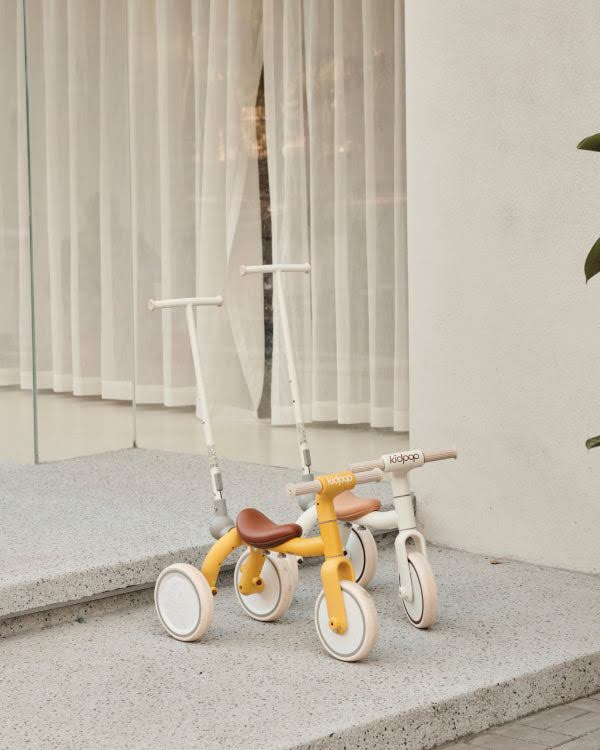
A balance bike that’s easy for your toddler to use independently accelerates learning and builds confidence from the first ride. The seat height adjustment range matters most—your child should place both feet completely flat on the ground while seated, with a slight knee bend for optimal push-off power. Tool-free adjustment mechanisms let you quickly modify seat height as your child grows, encouraging regular adjustments that maintain proper fit. Handlebars should sit at a comfortable height where your toddler’s arms bend naturally at the elbows without reaching up or hunching down. Lightweight construction directly impacts ease of use, as children who can pick up and right their own bike after falls develop independence faster. The bike’s overall geometry should allow easy mounting and dismounting without lifting legs uncomfortably high over the frame. Smooth-rolling wheels with quality bearings require less effort to maintain momentum, letting smaller children glide successfully sooner. Consider handlebar grips sized appropriately for small hands—oversized grips cause hand fatigue and reduce control. A bike that rolls smoothly, adjusts easily, and matches your child’s size transforms learning from a struggle into pure enjoyment, encouraging longer practice sessions that rapidly build skills.
Popular Brands and Models
Brand A
Strider stands as the pioneering brand that popularized balance bikes in North America, offering models that have become the gold standard for quality and performance. Their Sport model features an ultra-lightweight steel frame weighing just 6.7 pounds, making it manageable for toddlers as young as 18 months. The bike’s seat adjusts from 11 to 19 inches without tools, accommodating children through age five and ensuring years of use. Strider’s footrest design gives young riders a natural place to position their feet while gliding, promoting proper riding posture. The puncture-proof EVA polymer tires never need inflation and handle various terrains from sidewalks to grass without maintenance hassles. Parents appreciate the padded seat that provides comfort during longer rides and the safety-certified construction that meets rigorous testing standards. The brand’s extensive replacement parts availability means worn grips or seats can be easily swapped rather than replacing the entire bike, making it an economical long-term investment for families.
Brand B
Woom bikes represent premium European engineering with their focus on lightweight construction and ergonomic design specifically tailored to children’s proportions. The Woom 1 model weighs an impressive 6.6 pounds thanks to its aluminum frame, making it one of the lightest options available for the smallest riders. What sets Woom apart is their attention to geometry—the frame design positions children in an upright riding posture that feels natural and reduces strain on developing backs. Their proprietary Velo grips are smaller in diameter than standard options, fitting toddler hands perfectly for better control and less fatigue. The air-filled tires with lightweight rims provide superior shock absorption on bumpy surfaces while maintaining easy rolling momentum. Woom bikes feature a steering limiter that parents can adjust or remove as skills progress, offering customizable safety. The brand’s distinctive aesthetic with clean lines and sophisticated color options appeals to design-conscious families who want a bike that looks as good as it performs, though this premium quality comes at a higher investment level.
Tips for Parents
Budget
Establishing a realistic budget requires balancing quality with financial constraints while recognizing that balance bikes represent an investment in your child’s physical development and confidence. Entry-level models starting around fifty dollars provide basic functionality but may lack adjustability and durability for multiple children or years of use. Mid-range options between one hundred and one hundred fifty dollars typically offer better materials, smoother components, and extended size ranges that grow with your toddler. Brands like Kidpop have entered this mid-range market with models that balance affordability with quality construction, making them accessible options for families seeking reliable performance without premium pricing. Premium bikes exceeding two hundred dollars deliver exceptional lightweight construction, superior engineering, and refined details that enhance the riding experience. Consider your specific situation—families planning multiple children benefit from investing in a durable bike that withstands years of use and maintains resale value. Single-child families might prioritize features over longevity. Factor in potential costs like helmets and protective gear when setting your overall budget. Remember that a quality balance bike often eliminates the need for training wheels and reduces the learning curve for pedal bikes, potentially saving money on future bicycle purchases and lessons.
Reading Reviews
Customer reviews provide invaluable real-world insights that product descriptions can’t capture, but interpreting them effectively requires a strategic approach. Focus on reviews from parents with children similar in age and size to yours, as their experiences will be most relevant to your situation. Look for patterns across multiple reviews rather than fixating on individual extreme opinions—consistent mentions of specific issues like difficult assembly or seat adjustment problems indicate legitimate concerns. Pay attention to reviews that include details about how long they’ve owned the bike and how it has held up over time, as durability becomes apparent only after months of use. Be skeptical of reviews that seem overly promotional or lack specific details about actual usage. Video reviews often reveal more about bike size, weight, and handling than written descriptions alone. Check reviews on multiple platforms including retailer websites, parenting forums, and social media groups to get a comprehensive perspective. Note how manufacturers respond to negative reviews, as companies that address concerns professionally demonstrate better customer support. Reviews mentioning specific features you’ve prioritized help validate whether those elements truly deliver the promised benefits in everyday use.
Trial and Error
Hands-on testing before purchasing eliminates guesswork and ensures the bike truly fits your child’s current abilities and body proportions. Visit local bike shops or stores with display models that allow your toddler to sit on different bikes and test how easily they mount, dismount, and reach the ground. Observe whether your child can comfortably grip the handlebars without stretching or hunching, and check if they can walk the bike forward naturally. Notice their enthusiasm level—children instinctively gravitate toward bikes that feel right for them. If in-store testing isn’t possible, take advantage of generous return policies offered by many online retailers, allowing home trials with the option to return bikes that don’t work out. Borrow a friend’s balance bike for an afternoon to gauge your child’s interest and readiness before committing to a purchase. Some communities have balance bike lending programs through libraries or parenting groups that let families try before buying. Testing on various surfaces like grass, pavement, and slight inclines reveals how the bike handles in conditions your child will actually encounter. Don’t rush the decision—a bike that perfectly matches your toddler’s size and confidence level today will deliver far more value than one chosen based solely on specifications or appearance.
Making the Right Choice for Your Child
Choosing the perfect toddler balance bike doesn’t need to be overwhelming when you focus on what truly matters—proper fit, quality construction, and features that match your child’s developmental stage. A well-selected balance bike becomes more than just a toy; it’s a tool that builds confidence, coordination, and independence while creating joyful outdoor experiences for your family. Whether you prioritize lightweight aluminum for easy handling, durable steel for longevity, or premium features for enhanced performance, understanding the key differences helps you invest wisely in your child’s first riding adventure.
Remember that the best balance bike is one your toddler will actually ride, so consider their enthusiasm and comfort alongside technical specifications. Take time to ensure proper fit with feet flat on the ground, test different options when possible, and don’t hesitate to adjust your budget for quality that lasts. With the insights from this guide, you’re equipped to navigate the options confidently and select a balance bike that will carry your little one through countless adventures, setting the foundation for a lifetime of cycling enjoyment and active outdoor play.
