

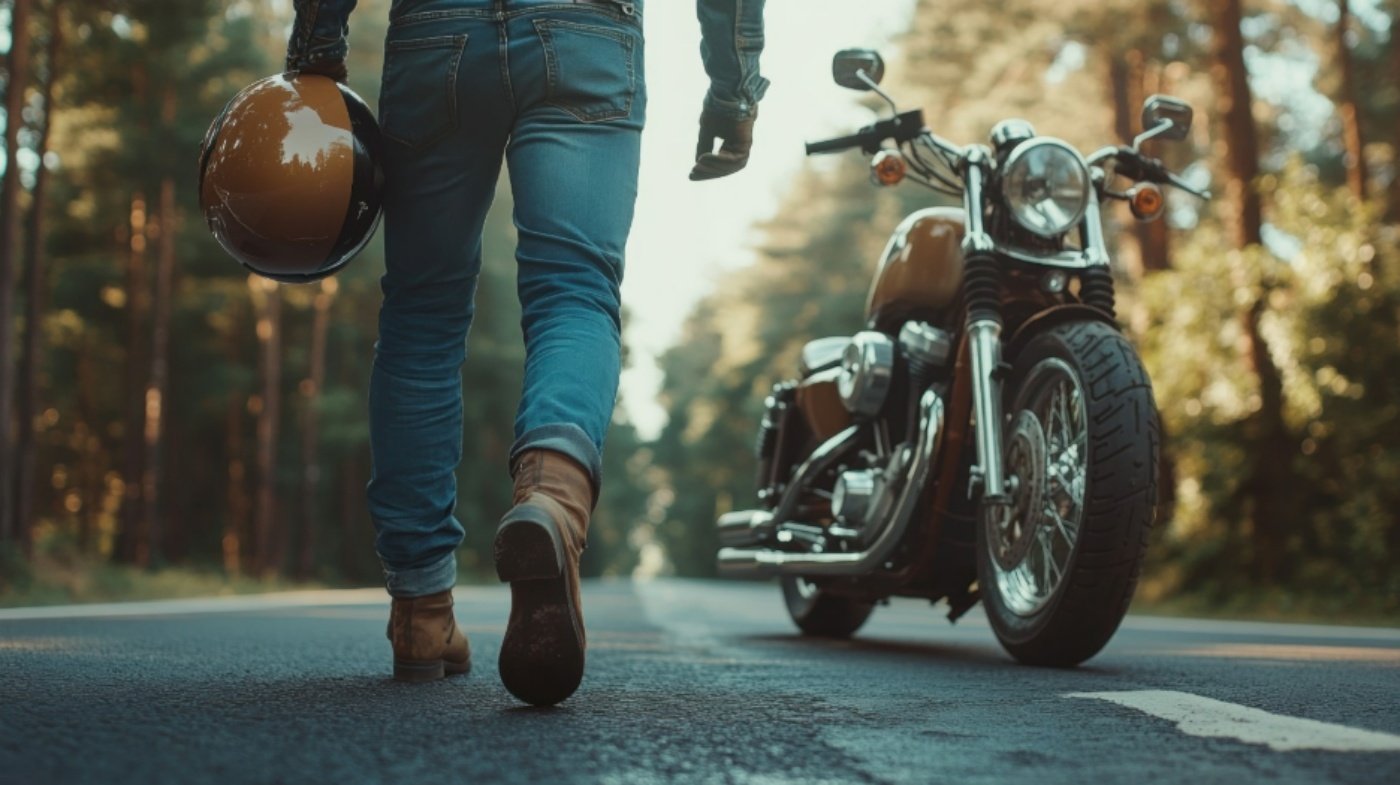
The first time you roll onto an open highway with nothing but a packed bike and a distant destination, something shifts. The air feels sharper. The road feels personal. A motorcycle road trip is not just about travel. It is movement in its purest form, shaped by the sound of your engine and the curve of the horizon ahead. For beginners, though, excitement can quickly turn into uncertainty. What should you pack? How far should you ride each day? What if something goes wrong? Preparing properly makes the difference between a stressful ride and an unforgettable adventure.
Before you twist the throttle and chase the skyline, it helps to break the planning process into manageable pieces. Each step builds confidence and ensures that your first road trip feels intentional rather than overwhelming. Let’s walk through the essentials.
Choosing the Right Route
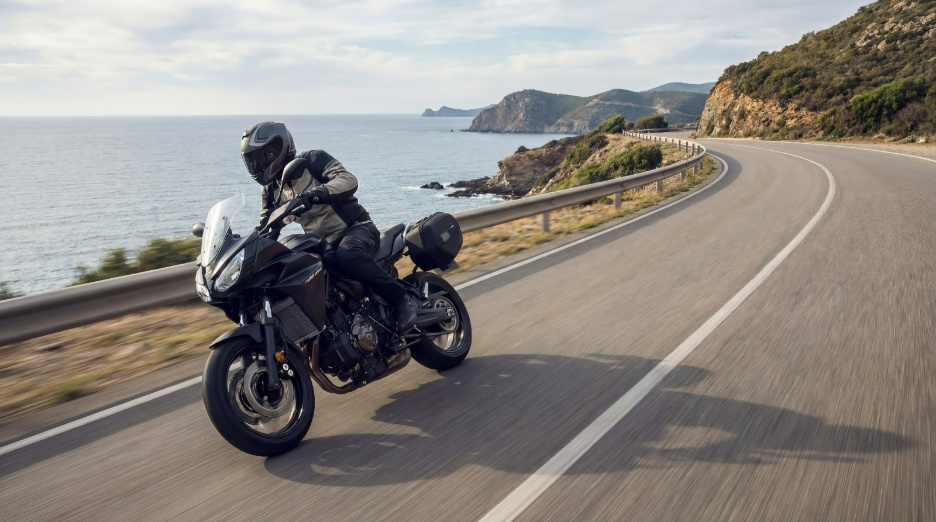
Selecting your route is more than typing a destination into GPS. Long stretches of interstate may cover distance quickly, but they rarely offer the memorable moments that make motorcycle travel special. Instead, look for mountain roads and scenic roads that turn the journey itself into the highlight.
Scenic highways, mountain passes, and coastal roads add texture to your adventure and invite you to slow down and absorb the surroundings. In the United States, riders often gravitate toward the Pacific Coast Highway for its sweeping ocean views or the Blue Ridge Parkway for gentle curves and misty overlooks. These routes encourage a relaxed pace and frequent stops, perfect for first timers.
Start small. A trip of 200 to 400 miles over a weekend gives you room to learn without exhaustion setting in. Study fuel stops along your path, especially if you ride a bike with limited tank range. Check the weather forecast before you leave and again each morning of your trip. When you design your route thoughtfully, you replace uncertainty with anticipation.
Preparing Your Motorcycle
Confidence on the road begins with a machine you trust. Even if your motorcycle runs smoothly during short commutes, longer distances expose weak points. This is especially important for riders of Yamaha adventure motorcycles, which are designed for extended touring and varied terrain but still depend on consistent maintenance.
Before your trip, go through a simple checklist:
- Check tire tread depth and tire pressure
- Inspect brake pads and brake response
- Test all lights and turn signals
- Verify all fluid levels are correct (engine oil, coolant, brake fluid)
- Clean and lubricate the chain for smoother throttle response
If you are not comfortable performing maintenance yourself, schedule a service appointment before departure. Professional mechanics can catch small issues before they become roadside problems. Preventative attention is cheaper and far less stressful than emergency repairs hundreds of miles from home.
Packing With Purpose
Packing for a motorcycle trip forces you to think efficiently. Storage space is limited, and overloading your bike affects handling. Focus on essentials. Clothing should be versatile and easy to layer. Quick dry fabrics simplify life when conditions shift unexpectedly. For colder climates or higher elevations, heated gear can make early mornings and sudden temperature drops far more comfortable.
Tools and safety gear deserve equal attention. A compact tire repair kit and a basic tool kit tailored to your motorcycle can save your trip if minor issues arise. Keep rain gear accessible so you do not need to unpack everything during a sudden shower. When you pack thoughtfully, your motorcycle remains stable, and your mind stays clear.
Building Endurance Gradually
Long hours in the saddle challenge both body and focus. Even seasoned riders respect the toll that wind, vibration, and posture can take. Like any outdoor adventure, a motorcycle road trip demands preparation and steady progression. Before committing to multiple full days on the road, practice longer day rides. Gradually increase your mileage to identify discomfort early. Adjust your seat, handlebars, or riding position if necessary.
Hydration and nutrition can be easily neglected when the road feels inviting. Stop every 60 to 90 minutes to stretch and reset. Fatigue dulls reaction time. Plan daily mileage realistically. For a beginner, 250 miles in a day can feel substantial. Allow yourself time to enjoy roadside diners, local viewpoints, and spontaneous photo stops. After all, road trips are not races.
Understanding Weather and Road Conditions
Weather shapes every motorcycle journey. Bright sunshine can turn to sudden rain within an hour, especially in mountainous regions. Checking forecasts before departure is wise, but staying alert to real time changes is even more important. Afternoon storms may force you to pause under a gas station canopy. Learning to adapt calmly keeps frustration from taking over.
Road conditions require equal vigilance. Construction zones, gravel patches, and uneven pavement demand smooth throttle control and steady hands. Slowing down is not a sign of weakness. It is evidence of smart riding. If you encounter unfamiliar terrain such as high altitude passes or coastal crosswinds, give yourself space to adjust. Confidence grows through patience.
Planning Accommodations Strategically
Where you rest matters as much as where you ride. Booking accommodations in advance during peak travel seasons removes last minute stress. Some riders prefer budget motels or campgrounds to keep costs down. Others enjoy the comfort of established hotel chains. Planning your stops roughly 200 to 300 miles apart creates manageable riding days.
Camping introduces a different rhythm. Lightweight tents and compact sleeping systems fit into modern motorcycle luggage with surprising efficiency. If you plan to camp, practice setting up your gear at home first. That small rehearsal eliminates confusion after a long day on the road. A good night’s sleep improves focus and decision making the next morning.
Wrapping Up
In the end, your first motorcycle road trip is less about distance and more about discovery. Careful planning gives you structure, but the real magic happens in the in-between moments, the quiet stretches of highway, the unexpected overlooks, and the conversations sparked at roadside stops. Prepare your bike, pack wisely, pace yourself, and stay flexible. Do that, and you will return home not just with miles behind you, but with confidence, stories, and a deeper connection to the road ahead.
