

Key Takeaways
- Routine inspections and proper electrical maintenance are fundamental to preventing hazards.
- Practicing safe habits and prioritizing electrical education decreases the likelihood of accidents and fires.
- Using recommended safety devices and protecting against power surges will safeguard your home’s electrical system.
Maintaining a safe and efficient electrical system in your home is not just a matter of convenience; it is a crucial step in protecting your family and property from electrical hazards. By implementing practical, proactive measures, homeowners can reduce the risk of damage, extend appliance longevity, and ensure overall safety. An important early step is partnering with a certified electrician to conduct detailed system evaluations and, when necessary, repairs.
Electrical problems, if left unchecked, can lead to fire risks, costly repairs, and even hazardous shocks. Homeowners can reduce these risks by following key safety strategies and working with a certified best electrician in Fort Mill, helping prevent common electrical issues and keeping their household safer.
Installing whole-house surge protection is often overlooked but vital. It reduces risks from voltage spikes that can damage electronics or cause shorts. Addressing electrical safety safeguards your property and aligns with safety guidelines from organizations like NFPA, emphasizing ongoing education and timely repairs to prevent major problems.
Regular Electrical Inspections
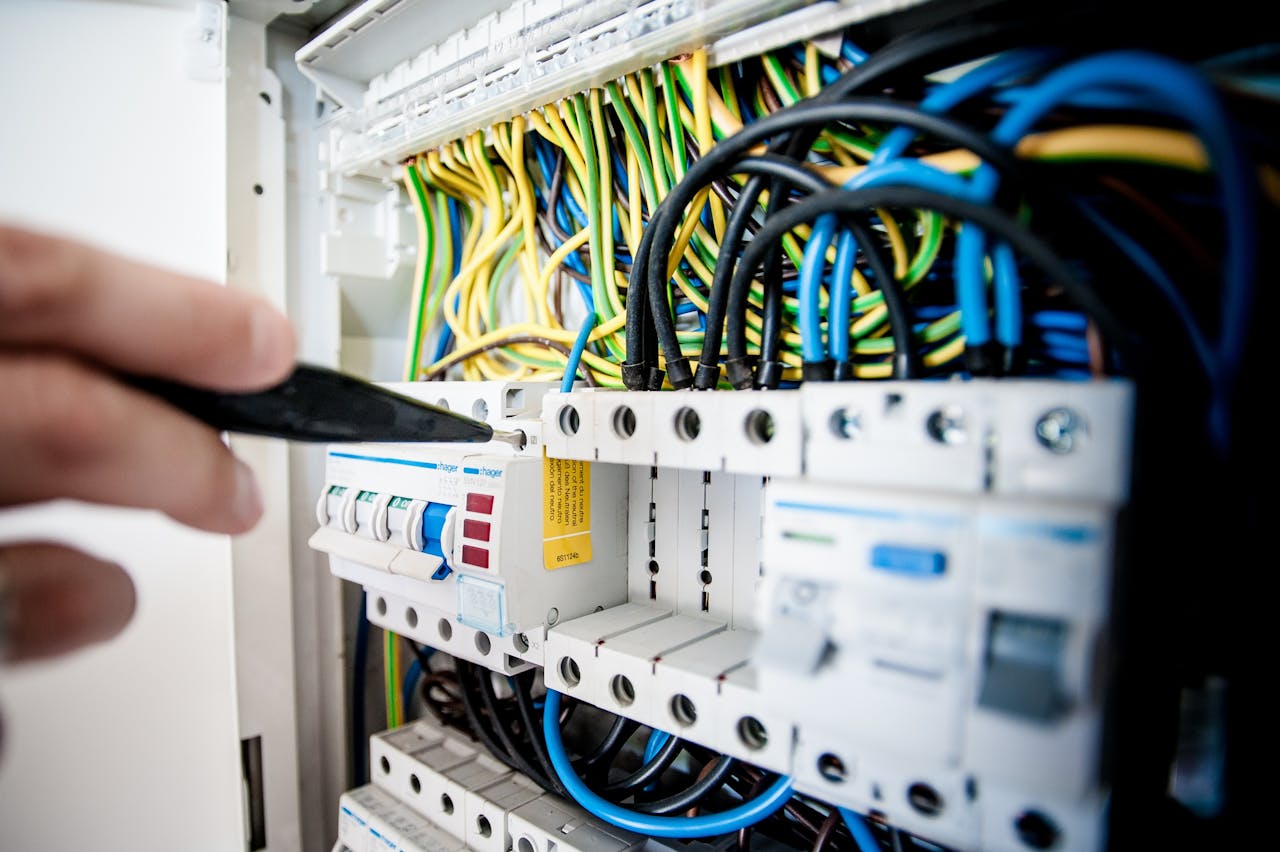
Periodic inspections by a licensed electrician can detect invisible hazards such as faulty wiring, outdated breaker panels, overloaded circuits, or improper grounding. For most households, scheduling a thorough inspection every three to five years, or immediately if symptoms such as flickering lights or persistent breaker trips occur, remains one of the most effective ways to avert disasters. Installing whole house surge protection during these inspections can further safeguard your home, while trained professionals diagnose issues at their earliest stage to help you avoid larger, more costly repairs down the line.
Avoid Overloading Outlets
Plugging too many gadgets into a single outlet increases the risk of electrical overheating and fire. Each circuit has a maximum load capacity, so distributing your devices and avoiding the reliance on extension cords for permanent setups is essential. If your current outlet setup does not meet your family’s needs, consult an electrician to install additional outlets to safely accommodate more devices.
Install Ground Fault Circuit Interrupters (GFCIs)
GFCIs are required by modern building codes in areas where water and electricity are in close proximity, such as bathrooms, kitchens, basements, and exterior outlets. These devices instantly cut power when they detect current leakage, preventing dangerous shocks. If your home lacks GFCIs in wet zones, their installation should be a priority for safety improvement.
Use Appliances According to Manufacturer Guidelines
Always follow the recommended instructions for power levels and usage. Misusing appliances—for example, installing a higher-wattage bulb than the fixture is rated for—can result in overheating or a fire. Adhering to guidelines not only extends the lifespan of your appliances but also reduces the risk of malfunction and accidents. As recommended by experts at the Consumer Reports Appliances Guide, always read the safety instructions before use.
Keep Electrical Devices Away from Water
Because water and electricity are a dangerous combination, always keep appliances and cords away from sinks, bathtubs, and other water sources. If an appliance gets wet or falls into water, turn off the relevant circuit at the breaker box before unplugging or handling the device. Never operate electronics with wet hands. Small details like these prevent accidents that can have severe consequences.
Ensure Proper Wiring and Connections
Bad wiring is a leading cause of house fires. Warning signs include frequent circuit breaker trips, flickering lights, or discolored outlets. If you observe any of these symptoms, call a licensed electrician for inspection and correction. Modern homes should employ up-to-date wiring systems and avoid DIY electrical fixes unless properly trained or certified.
Utilize Surge Protectors
Power surges, often triggered by lightning or grid fluctuations, can damage electronic devices. Plug sensitive equipment, such as computers, televisions, and entertainment centers, into surge protectors to help safeguard them from damage. For comprehensive security, a whole-house surge protector installed by a professional protects every outlet and device in your home, especially important in regions prone to storms and power fluctuations.
Educate Family Members on Electrical Safety
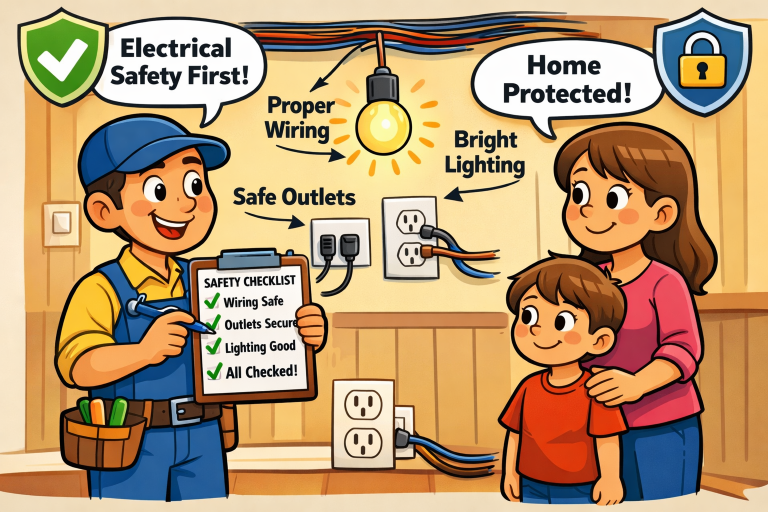
Creating a safe home involves teaching electrical safety basics, especially to children. Show them why they shouldn’t insert objects into outlets or mishandle cords. Ensure adults know where the circuit breaker is and when to turn it off. Ongoing safety talks foster vigilance against hazards. These strategies reduce electrical risks, protecting loved ones and property. Maintaining safety is ongoing, but proper precautions offer peace of mind and lasting security.
Conclusion
Maintaining a safe home starts with proactive electrical care. Regular inspections, proper outlet use, updated wiring, and installing devices such as GFCIs and whole-house surge protection are essential steps to prevent hazards and protect people and property. Coupled with safe appliance use, keeping devices away from water, and educating all household members on electrical safety, these measures create a comprehensive approach to risk reduction. By partnering with licensed electricians and staying vigilant, homeowners can ensure their electrical systems remain reliable, efficient, and secure, providing long-term peace of mind.
