

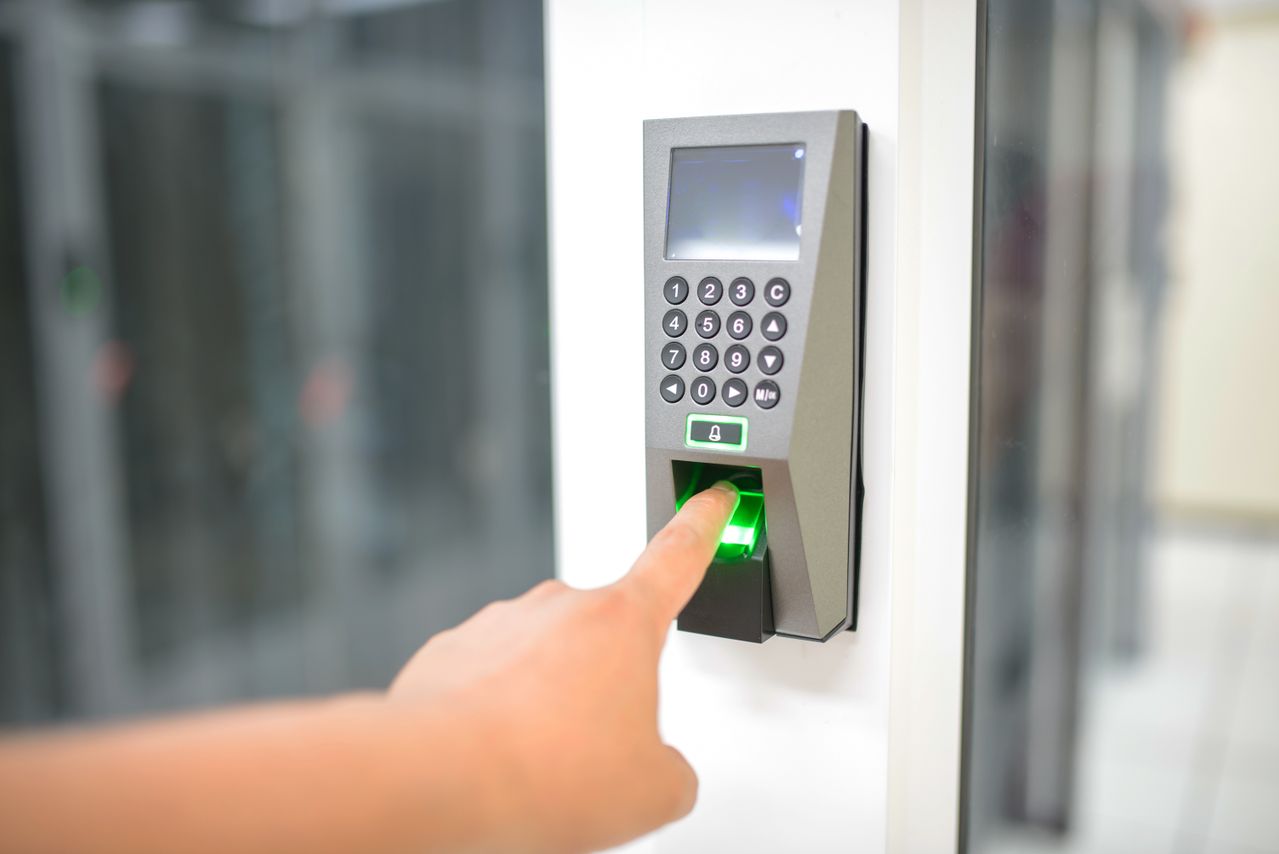
Building access security is one of the most important aspects of protecting people, property, and valuable assets. Whether managing an office building, apartment complex, healthcare facility, or educational institution, implementing the right security measures can significantly reduce unauthorized access and improve overall safety. A layered approach that combines physical barriers, modern technology, and employee awareness creates a stronger defense against potential threats.
Install Reliable Access Control Systems
Traditional keys are easy to lose, duplicate, or misuse, making them less effective for modern security needs. Access control systems provide a more secure alternative by allowing administrators to control who can enter specific areas. Key cards, PIN codes, biometric scanners, and mobile credentials make it easier to manage permissions while maintaining detailed access records.
These systems also simplify updating user permissions when employees join, leave, or change roles, eliminating the need to replace physical locks throughout the building.
Upgrade Door Locking Mechanisms
Strong doors deserve equally strong locking systems. High-quality electronic locks offer greater security and convenience than conventional mechanical locks. For facilities that require dependable locking performance, a magnetic door lock can provide consistent holding strength while integrating seamlessly with access control systems. These locks are commonly used in commercial buildings because they offer reliable operation, quick release during emergencies, and minimal mechanical wear.
Monitor Entry Points with Surveillance Cameras
Security cameras act as both a deterrent and an investigative tool. Position cameras at entrances, exits, parking areas, reception desks, and other vulnerable locations to capture clear footage of everyone entering and leaving the premises.
Modern surveillance systems offer features such as remote viewing, motion detection, high-definition recording, and cloud storage, allowing security personnel to monitor activity from virtually anywhere.
Secure Secondary Entrances
Main entrances often receive the most attention, but secondary doors, loading docks, emergency exits, and service entrances can become weak points if left unprotected. Every access point should have appropriate locks, surveillance coverage, and restricted access controls.
Regular inspections help ensure these entrances remain secure and that emergency exits continue functioning properly while preventing unauthorized entry.
Implement Visitor Management Procedures
Visitors should never have unrestricted access to secure areas. A structured visitor management process helps maintain accountability by requiring guests to sign in, present identification, wear visitor badges, and remain escorted when necessary.
Digital visitor management systems can also record arrival times, departure times, and host information, creating an organized log for future reference.
Conduct Regular Security Audits
Security measures should be evaluated on a routine basis. Inspect doors, locks, cameras, alarms, and access control devices for signs of wear or malfunction. Reviewing access logs may also reveal unusual activity, such as repeated failed entry attempts or access outside normal business hours.
Routine audits help identify vulnerabilities before they become serious security issues.
Train Building Occupants
Even the best security technology depends on responsible users. Employees and occupants should understand basic security practices, including preventing tailgating, reporting suspicious behavior, protecting access credentials, and following emergency procedures.
Regular training reinforces these habits and helps create a culture where everyone contributes to building security.
Conclusion
Enhancing building access security requires more than installing a few locks. By combining advanced access control systems, durable locking hardware, surveillance, visitor management, regular inspections, and ongoing security training, organizations can significantly reduce risks while creating a safer environment for employees, residents, and visitors alike. A proactive security strategy not only protects valuable assets but also provides greater confidence and peace of mind for everyone who uses the facility.
