

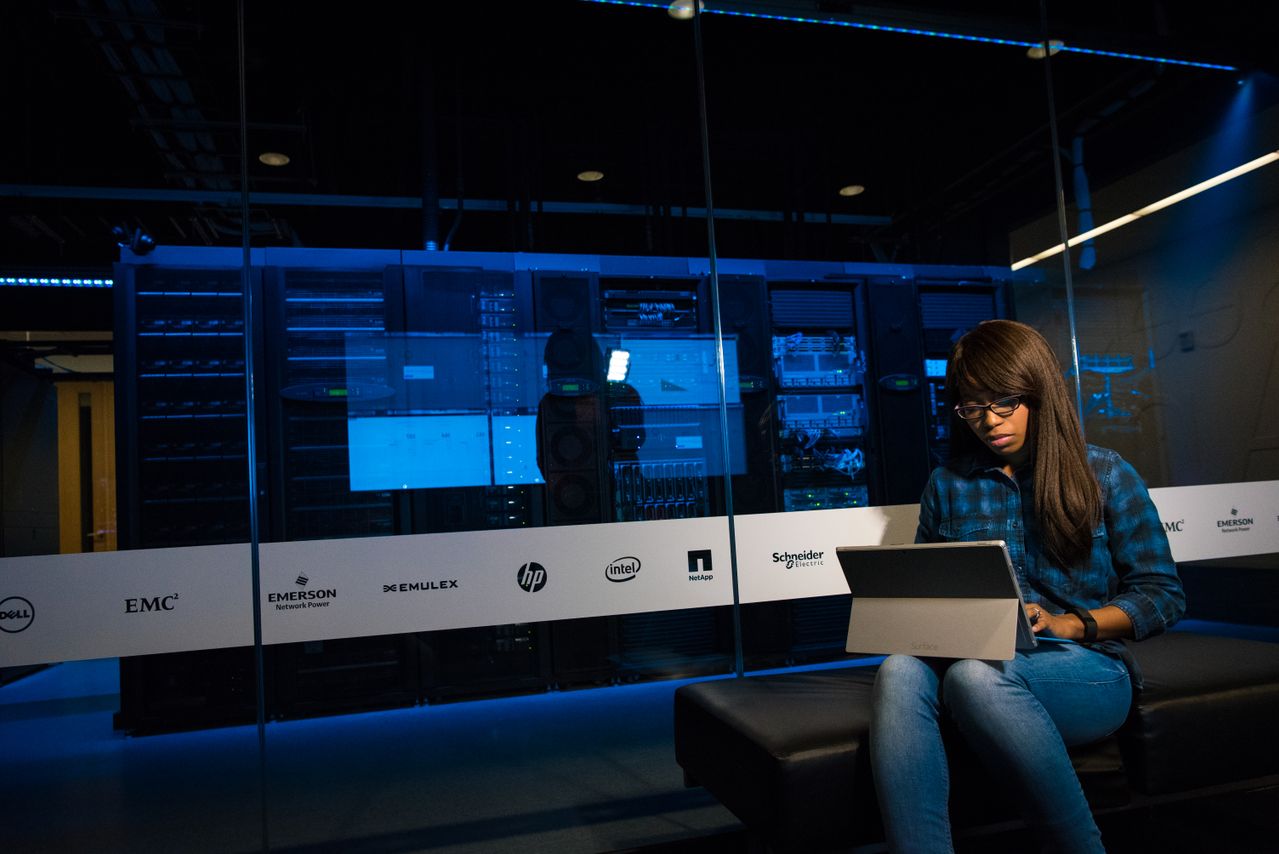
The average server rack density in hyperscale facilities crossed the 15-kilowatt threshold in 2025, driven largely by the insatiable demands of machine learning and large language models. This rapid evolution means modern hardware can process unprecedented workloads, but it also requires significantly larger and more precise power backup solutions than legacy infrastructure ever necessitated. As artificial intelligence and edge computing continue to expand across Australia, data centres are adding massive, continuous load profiles to the national electrical network. When grid stability fluctuates during periods of peak demand or extreme weather, these high-density environments face immediate and severe operational risks.
The Financial Toll of Power Instability
Business operations have become completely inseparable from their IT stacks. Between 2020 and 2025, the global cost of unplanned downtime for major enterprises surged by over 60 percent. Today, the average financial cost of an unplanned IT outage hovers around $15,000 per minute. To defend against these devastating financial hits, proactive IT managers frequently deploy an Eaton ups to ensure continuous pure sine wave power reaches their mission-critical networking equipment. Furthermore, organisations that suffer a significant data centre blackout often experience an average 3.4 percent drop in their stock price following the event due to eroded market confidence and disrupted operations.
The primary culprit behind these staggering losses is not necessarily a targeted cyber attack or a critical software failure. The Uptime Institute notes in its 2025 Annual Outage Analysis report that power constraints remain the leading cause of impactful data centre outages worldwide. Facilities are facing growing external risks from power grid volatility and extreme weather, making proactive hardware protection an absolute necessity for enterprise business continuity.
Thermal Vulnerabilities in Modern Racks
High-density IT infrastructure introduces a secondary layer of risk during a power event, which is the immediate threat of thermal runaway. Advanced thermal management hardware, such as cooling distribution units and rear-door heat exchangers, rely entirely on continuous electricity to circulate liquid coolant. A sudden loss of electricity halts these systems instantly, causing ambient temperatures within the server chassis to spike to catastrophic levels within a matter of seconds.
Physical hardware health requires a perfect balance of thermal and electrical management. Just as IT professionals implement proactive strategies for maintaining liquid cooling systems in high-density servers to handle massive heat loads, they must equally ensure continuous power to survive grid instability. Without a reliable electrical bridge to keep cooling pumps active during a blackout, expensive microprocessors and memory modules will rapidly overheat and fail.
Bridging the Gap with Clean Power
While complete network blackouts capture the most attention, over 60 percent of the financial costs associated with poor power quality actually stem from voltage sags. These brief reductions in voltage are a hidden but highly frequent threat to enterprise operations. Smaller, repeated power fluctuations cause cumulative degradation to silicon pathways and delicate microprocessors. This quietly shortens the operational lifespan of a server rack even if the system survives the initial electrical event.
To defend against both transient spikes and damaging voltage sags, facilities need enterprise-grade power regulation that goes beyond standard line-interactive units. Modern data environments require double-conversion topology that completely isolates the IT load from the raw utility feed. By utilising these advanced uninterruptible power systems, data centres can actively monitor phase anomalies and filter out commercial grid unpredictability before it ever reaches sensitive semiconductor junctions. This guarantees that hardware receives a pristine, continuous electrical waveform regardless of external grid conditions.
Essential Strategies for Hardware Resilience
Protecting enterprise IT facilities from grid unpredictability requires a multi-layered approach that addresses both immediate switchover events and prolonged outages. Because many Australian enterprise facilities are prohibited by strict service-level agreements from using their backup infrastructure to support local grid flexibility programmes, backup power capacity must be held exclusively for internal continuity. Facility operators must therefore design systems with adequate redundancy, ensuring that maintenance or unexpected component failures do not compromise the overarching safety net.
To maximise uptime and safeguard physical hardware, IT managers should implement the following core strategies:
- Deploy Intelligent PDUs: Smart rack power distribution units provide granular, real-time visibility into power consumption. This allows administrators to monitor loads down to the individual outlet level and prevent accidental overloading during high-demand processing periods.
- Monitor Surge Protection Health: Internal metal oxide varistors self-sacrifice to protect connected equipment from transient spikes. Because repeated exposure to grid anomalies causes these components to degrade over time, implementing active diagnostic monitoring is crucial to replacing them before they completely fail.
- Transition to Lithium-Ion Modules: Modern lithium-ion battery modules offer longer lifespans, faster recharge times, and a smaller physical footprint compared to traditional lead-acid alternatives. This is especially vital in space-constrained, high-density layouts where every centimetre counts.
- Conduct Routine Simulated Outages: Regularly testing the failover process ensures that backup generators synchronise correctly and that battery reserves can comfortably carry the facility’s full operational load until auxiliary power fully engages.
Safeguarding modern IT infrastructure goes far beyond basic surge protection strips. By pairing robust power conditioning hardware with proactive monitoring protocols, facility managers can confidently support high-density workloads without fearing the unpredictability of the commercial power grid.
